
Call us
301-363-4651 (Available 9 a.m. to 5 p.m. CST from Monday to Friday)


Neuroscience research is important for understanding human brain function, treating neurological disorders, and advancing related drug development. Neurological disorders are diseases that affect the brain, spinal cord, peripheral nerves, and other components of the nervous system. These diseases include, but are not limited to, cerebrovascular disease, Parkinson's disease, Alzheimer's disease, multiple sclerosis, epilepsy, and others.
CUSABIO provides neuroscience research related proteins, antibodies, ELISA kits products, as well as cytokines commonly used in neural cell culture, to help related mechanisms of functional research and drug discovery and development.
Alzheimer's Disease is a chronic, progressive neurodegenerative disease characterized by memory loss, cognitive dysfunction, and behavioral and psychological symptoms. It is the most common type of dementia and is thought to be caused by the abnormal accumulation of amyloid plaques in the brain, resulting in massive neuronal death, and abnormal phosphorylation of Tau proteins.
Currently, drug research targets for AD are mainly focused on Aβ, Tau proteins, BACE1, etc. Other potential targets are also being explored, such as α-synuclein and RAGE inhibitors.
Parkinson's Disease is a neurodegenerative disorder that primarily affects motor function, with characteristic symptoms including resting tremor, muscle rigidity, bradykinesia, and balance disorders. The pathogenesis of Parkinson's disease is complex and involves multiple factors, including loss of dopamine neurons, protein misfolding and aggregation, mitochondrial dysfunction, neuroinflammation, and oxidative stress.
Currently, drug research targets for Parkinson's disease focus on α-synuclein aggregation, LRRK2 gene mutations, PAAN/MIF nuclease activity, mitochondrial dysfunction, autophagy mechanisms, and specific dopaminergic neuron subpopulations discovered based on single-cell sequencing technology.
Amyotrophic Lateral Sclerosis, also known as acromegaly, is a fatal neurodegenerative disease characterized by the progressive loss of motor neurons in the brain and spinal cord, resulting in gradual muscle weakness and atrophy that ultimately affects motor, communication, swallowing, and respiratory functions, and ultimately death.
Currently, its research targets focus on genes and proteins such as SOD1, C9ORF72, TDP-43, FUS, OPTN, TBK1, and RIPK1, as well as exploring new therapies that utilize a combination of antisense oligonucleotides (ASOs), stem cells and genetic engineering.
Multiple Sclerosis is a chronic inflammatory disease of the central nervous system (CNS) resulting in demyelination and neurodegeneration.The clinical manifestations of MS are varied and include motor deficits, sensory abnormalities, visual disturbances, psychiatric symptoms, and cognitive impairment.
Drug research targets in MS have focused on B and T cells, sphingosine-1-phosphate receptor (S1PR), Nrf2 pathway, potassium channels, α2-adrenergic receptor, Syk kinase, S1P1 receptor, CD20-positive B cells, immunosuppressive drugs, mitochondrial protective agents, ion channels, and glutamate-mediated excitotoxicity, which involve immunomodulation, neuroprotection, and cellular damage.
Huntington's Disease is a rare autosomal dominant neurodegenerative disorder with typical manifestations including progressively progressive choreiform movements, cognitive deficits, and psychiatric behavioral abnormalities. The pathogenesis of Huntington's disease is primarily related to an abnormal repeat of the CAG trinucleotide on the Huntington gene (HTT), which leads to the production of polyglutamine chains, which in turn encode an abnormal Huntington's protein (mHTT), which accumulates in the central nervous system and leads to neuronal damage and death.
Pharmacological research in Huntington's disease has focused on reducing the expression and levels of mutant Huntington's protein (mHTT), activating cellular autophagy pathways to promote mHTT degradation, and symptomatic treatment to improve motor and psychiatric symptoms.
-AC1.jpg)
Measured by its binding ability in a functional ELISA. Immobilized Human IL17A at 2 μg/ml can bind Anti-IL17A recombinant antibody (CSB-RA624104MA1HU), the EC50 is 1.818-2.170 ng/mL.
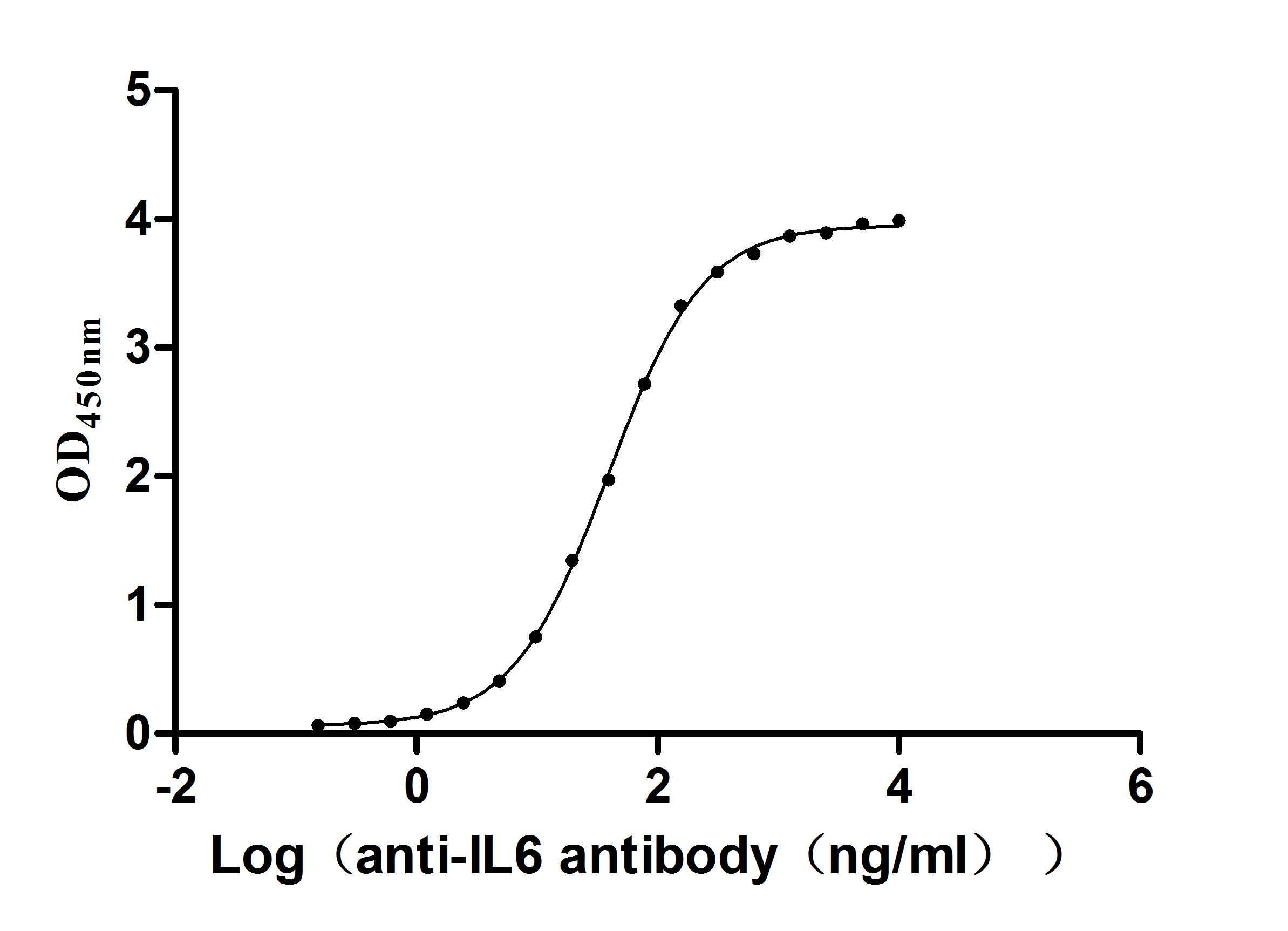
Measured by its binding ability in a functional ELISA. Immobilized Human IL6 at 2μg/mL can bind Anti-IL6 recombinant antibody (CSB-RA011664MA1HU),the EC50 is 35.80-41.82 ng/mL.
-AC1.jpg)
Measured by its binding ability in a functional ELISA. Immobilized Human MAPT at 2 μg/ml can bind Anti-MAPT recombinant antibody (CSB-RA013481A1HU), the EC50 is 4.547-6.284 ng/mL.
-AC1.jpg)
Measured by its binding ability in a functional ELISA. Immobilized Human ANGPT2 at 2 μg/ml can bind anti-ANGPT2 recombinant antibody(CSB-RA001707MA01HU), the EC50 is 0.6666-0.8876 ng/mL
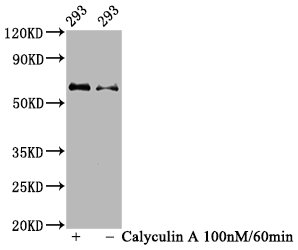
WB (1:500-1:5000)
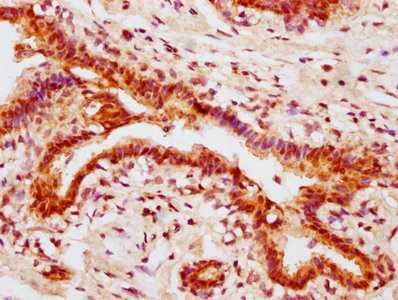
IHC (1:50-1:200)
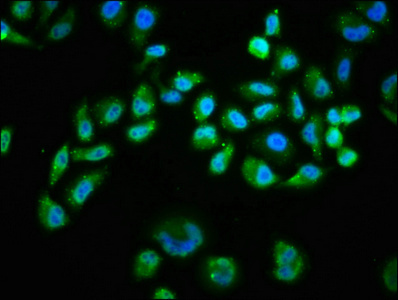
IF (1:20-1:200)
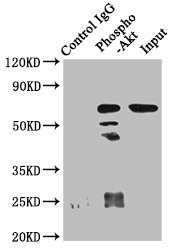
IP (1:200-1:1000)
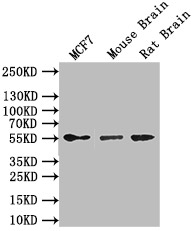
WB (1:500-1:5000)
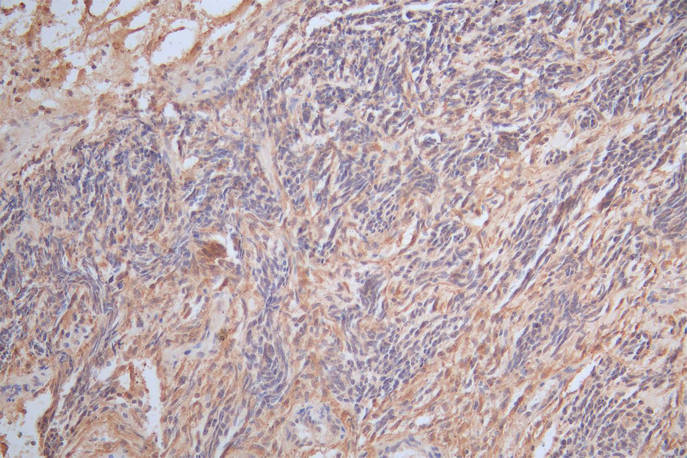
IHC (1:50-1:200)
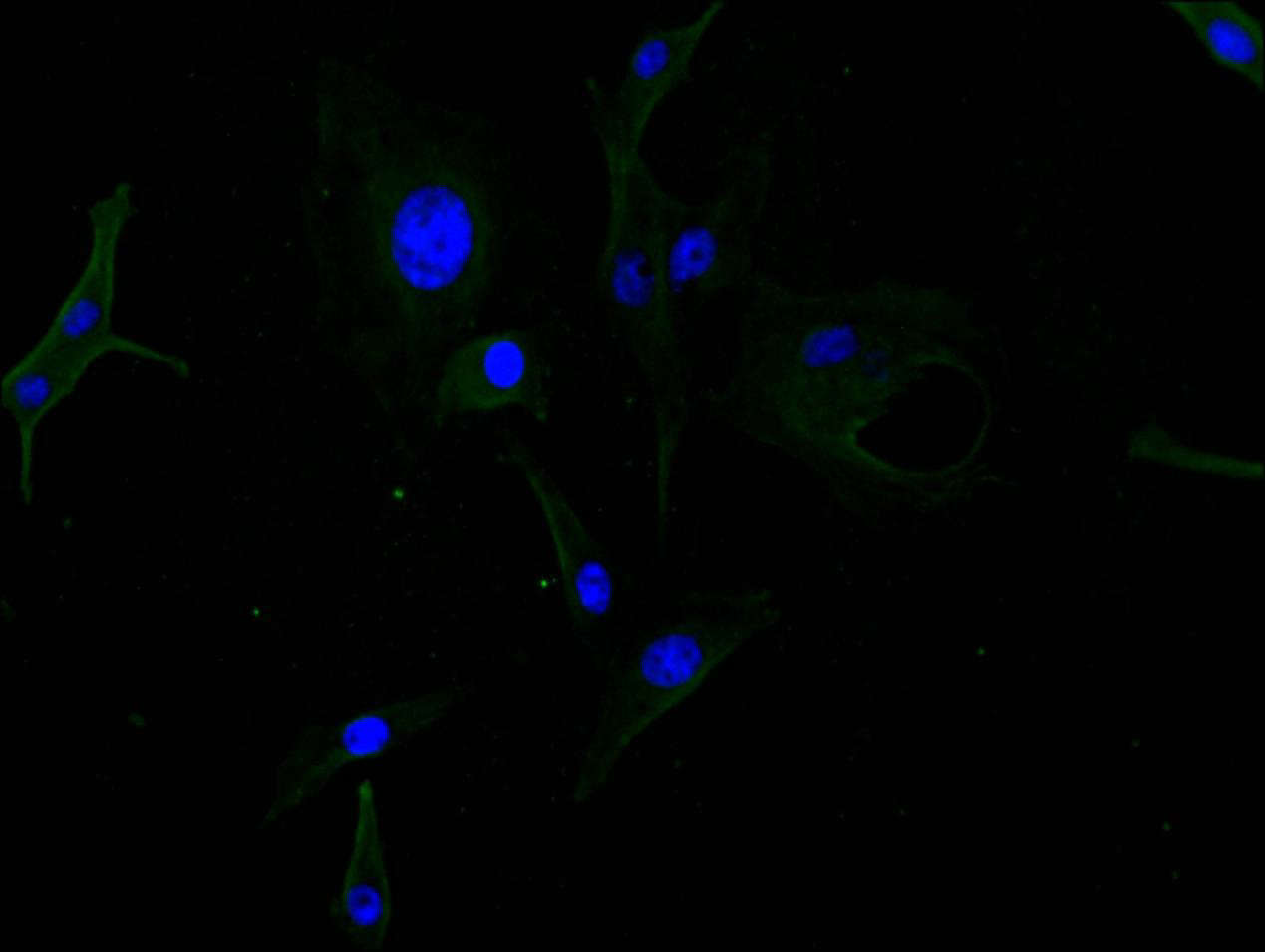
IF (1:20-1:200)
IP (1:200-1:1000)
| Cytokine | Role | CUSABIO Product | |||
|---|---|---|---|---|---|
| Product Code | Organism | Source | Tag Info | ||
| BDNF | Brain-derived neurotrophic factor, supports neuronal survival and promotes maturation, essential for learning and memory processes. | CSB-AP003781HU | Human | E.coli | Tag-Free |
| CNTF | Ciliary neurotrophic factor, which promotes nerve cell survival and has potential therapeutic effects in neurodegenerative diseases. | CSB-AP002841HU | Human | E.Coli | Tag-Free |
| EGF | Epidermal growth factor, which promotes the growth and proliferation of many cell types, especially epithelial cells. | CSB-AP003711HU | Human | E.coli | Tag-Free |
| CSB-AP004091MO | Mouse | E.coli | C-terminal 6xHis-tagged | ||
| aFGF (FGF1) | Acidic Fibroblast Growth Factor, promotes cell proliferation and differentiation, especially in the repair of damaged tissues. | CSB-AP003761HU | Human | E.coli | Tag-Free |
| bFGF (FGF2) | Basic Fibroblast Growth Factor ,promotes the proliferation of neural stem cells and precursor cells while contributing to wound healing and angiogenesis | CSB-AP003751HU | Human | E.coli | Tag-Free |
| CSB-AP003831HU | Human | E.coli | Tag-Free | ||
| CSB-AP003841HU | Human | E.coli | Tag-Free | ||
| CSB-AP004061MO | Mouse | E.coli | Tag-Free | ||
| CSB-AP004171RA | Rat | E.coli | Tag-Free | ||
| GDNF | Glial cell-derived neurotrophic factor, important for the survival and regeneration of dopaminergic neurons. | CSB-AP002881HU | Human | E.Coli | Tag-Free |
| IGF1 | Insulin-like growth factor, which promotes cell proliferation and differentiation and has a positive effect on the development and regeneration of the nervous system. | CSB-AP003701HU | Human | E.coli | Tag-Free |
| CSB-AP003721HU | Human | E.coli | Tag-Free | ||
| CSB-AP003731HU | Human | E.coli | Tag-Free | ||
| NGF | Nerve growth factor, promotes nerve cell growth and survival, especially in the development of sensory and sympathetic neurons. | CSB-AP003771HU | Human | E.coli | Tag-Free |
| CSB-AP003951HU | Human | Mammalian cell | Tag-Free | ||
| CSB-AP004081MO | Mouse | E.coli | Tag-Free | ||




