


Call us
301-363-4651 (Available 9 a.m. to 5 p.m. CST from Monday to Friday)


September 21st is "World Alzheimer's Day", a day established to raise public awareness and concern about Alzheimer's disease (AD). AD is a chronic, progressive neurodegenerative disease that manifests itself in cognitive dysfunction and behavioral impairment, and is the leading cause of dementia in the elderly. It is predicted that by 2050, the number of Alzheimer's disease patients worldwide will exceed 100 million.
The theme of World Alzheimer's Day 2024 is "Time to Act on Dementia, Time to Act on Alzheimers", which focuses on the screening and intervention of cognitive impairment risk factors, and vigorously promotes early detection and early treatment. Currently, the drug research targets of AD are mainly focused on Aβ, Tau protein, BACE1, etc. Meanwhile, other potential targets are also being explored, such as α-synuclein and RAGE inhibitors. (Click to learn more about Alzheimer's disease)
CUSABIO provides Alzheimer's disease research related protein, antibody and ELISA kit products to help disease mechanism research and drug development.
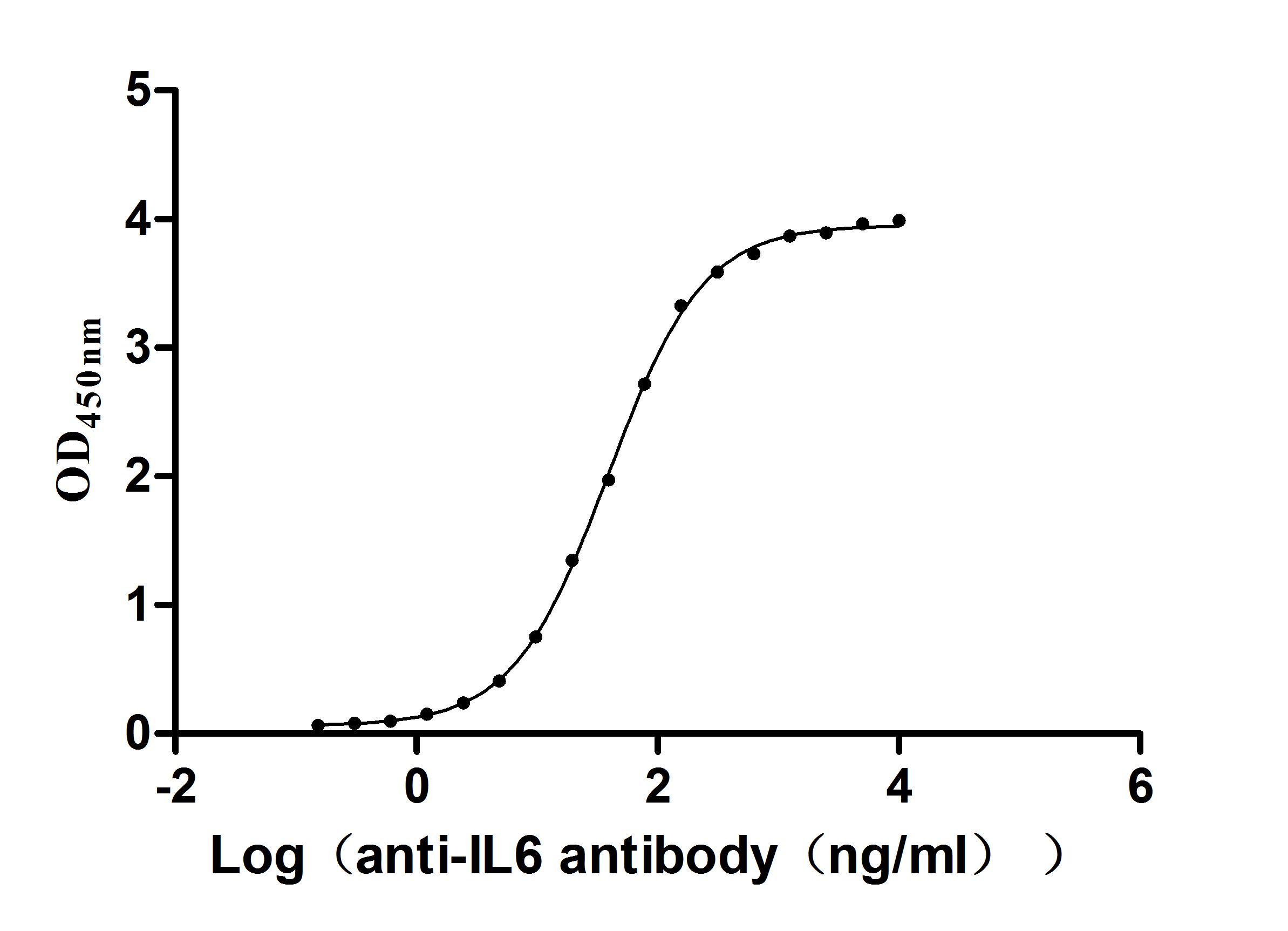
Recombinant Human IL6
CSB-YP011664HU
-AC1.jpg)
Recombinant Human MAPT
CSB-MP013481HU(F8)

Recombinant Macaca mulatta MAPT
CSB-MP013481MOW

Recombinant Human TNF
CSB-YP023955HU

Phospho-AKT1 (Ser473) Recombinant Monoclonal Antibody
CSB-RA001553A473phHU
Applications: ELISA, WB, IHC, IF, IP
| Antibody Type | Product Name | Species Reactivity | Tested Applications | Code |
|---|---|---|---|---|
| Monoclonal Antibody | AKT1 Monoclonal Antibody | Human,Mouse,Pig,Rat | ELISA, WB | CSB-MA011037 |
| Monoclonal Antibody | APP Monoclonal Antibody | Human, Mouse | ELISA, WB, IHC, IF | CSB-MA0019501A0m |
| Monoclonal Antibody | GFAP Monoclonal Antibody | Human, Mouse, Rat | ELISA, WB, IHC, IF, FC | CSB-MA009369A0m |
| Monoclonal Antibody | GFAP Monoclonal Antibody | Rat,Mouse | ELISA, WB | CSB-MA000216 |
| Monoclonal Antibody | GFAP Monoclonal Antibody | Human | ELISA, IHC | CSB-MA293354 |
| Monoclonal Antibody | IL6 Monoclonal Antibody | Human | ELISA, WB, IHC | CSB-MA067571A0m |
| Monoclonal Antibody | TNF Monoclonal Antibody | Bovine | ELISA | CSB-MA084771A0m |
| Monoclonal Antibody | TNF Monoclonal Antibody | Human,Mouse,Rat | ELISA, WB, IHC | CSB-MA080271 |
| Monoclonal Antibody | TNF Monoclonal Antibody | Human,Mouse,Rat | ELISA, WB, IHC | CSB-MA080272 |
Q: What are the top Alzheimer's biomarkers used in studies?
Top biomarkers commonly include amyloid measures (Aβ42/40), tau (total and phospho-tau epitopes), neurodegeneration (NfL), and astrocyte activation (GFAP), often combined into panels for cohort stratification and longitudinal monitoring.
Q: Which targets are most relevant for mechanistic Alzheimer's research?
Highly relevant targets include APP/BACE1/PSEN1 for amyloid processing, MAPT for tau pathology, APOE for genetic risk and lipid biology, and inflammatory mediators such as IL-6 and TNF for neuroinflammation pathways.
Q: How should I validate antibodies for tau and phospho-signaling targets?
Validate using a defined positive control (phospho-peptide or stimulated lysate), a negative control (phosphatase-treated sample or knockout/knockdown), dilution series, and an orthogonal method (e.g., WB plus IF/IHC) to confirm specificity and expected molecular weight/localization.
Q: Which sample types are most common for Alzheimer's ELISA workflows?
Common sample types include serum and plasma for scalable biomarker studies, tissue homogenates for mechanistic validation, and cell culture supernatants/lysates for pathway perturbation experiments; always match the kit's validated matrix to your intended sample.
Q: What is the quickest way to pick a target panel for an AD project?
Start with one pathology axis (amyloid or tau), add one neuroinflammation marker (IL-6 or TNF) and one glial activation marker (GFAP), then include a neurodegeneration marker (NfL) if your model supports it—this balances mechanistic depth and translational relevance.




