



Call us
301-363-4651 (Available 9 a.m. to 5 p.m. CST from Monday to Friday)


Type 1 Diabetes Mellitus (T1DM), also known as insulin-dependent diabetes mellitus, is a chronic autoimmune disease characterized by absolute insulin deficiency due to damage to pancreatic β-cells, which often develops in childhood and adolescence, but may affect people of all ages. Typical symptoms include polyuria, polydipsia, polyphagia, and weight loss, which may lead to acute complications such as ketoacidosis in severe cases.
The research for type 1 diabetes treatment covers a wide range of areas, including insulin therapy, automated insulin delivery systems (AIDs), insulin-assisted therapies, and GIP/GLP-1 receptor agonists. The current direction of its drug development covers a wide range of aspects ranging from immunomodulation, β-cell protection and regeneration to specific hormone receptor antagonism and activation, as described below:
Currently, targeted immunotherapy targeting T-lymphocytes, B-lymphocytes, and cytokines has made great progress. In addition, a variety of new drugs including SGLT inhibitors, GLP-1 agonists, immunomodulatory drugs (including autoantigens and anti-cytokines), and β-cell regenerative agents are in clinical development. Insulin gene therapy has also shown potential for treating T1DM as an alternative strategy to correct hyperglycemia by expressing insulin in non-β cells.
CUSABIO has long been committed to providing researchers with high-quality proteins, antibodies, ELISA kits and other tools for scientific research reagent products, and has compiled a series of popular targets related to type 1 diabetes research and related reagent products listed below for your selection:

Measured by its binding ability in a functional ELISA. Immobilized CD40L at 2 μg/ml can bind Anti- CD40L Rabbit Monoclonal Antibody(CSB-RA156386A0HU), the EC50 is 2.353-3.232 ng/ml.

Measured by its binding ability in a functional ELISA. Immobilized CD40L at 2 μg/ml can bind Anti- CD40L Rabbit Monoclonal Antibody(CSB-RA156386A0HU), the EC50 is 2.353-3.232 ng/ml.

Measured by its binding ability in a functional ELISA. Immobilized CD152 at 2 μg/ml can bind Anti-CD152 rabbit monoclonal antibody(CSB-RA213310A0HU), the EC50 of human CD152 protein is 27.14-34.82 ng/ml.
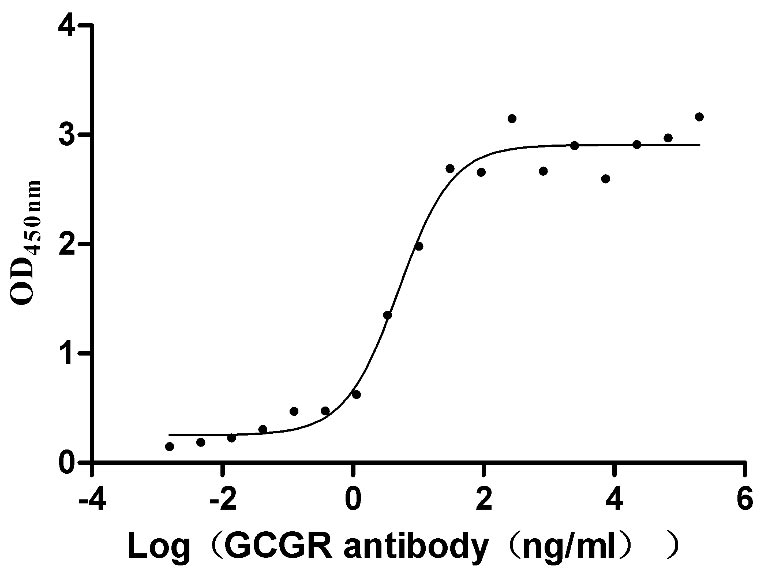
Measured by its binding ability in a functional ELISA. Immobilized human GCGR at 2 μg/ml can bind Anti-GCGR recombinant antibody (CSB-RA009316A1HU), the EC50 is 3.747-6.666 ng/mL.

Measured by its binding ability in a functional ELISA. Immobilized Human GLP1R at 2 μg/mL can bind Anti-GLP1R recombinant antibody (CSB-RA009514MA1HU), the EC50 is 54.54-94.23 ng/mL.
-AC1.jpg)
Measured by its binding ability in a functional ELISA. Immobilized Human IL17A at 2 μg/ml can bind Anti-IL17A recombinant antibody (CSB-RA624104MA1HU), the EC50 is 1.818-2.170 ng/mL.

Measured by its binding ability in a functional ELISA. Immobilized Human IL6 at 2μg/mL can bind Anti-IL6 recombinant antibody (CSB-RA011664MA1HU),the EC50 is 35.80-41.82 ng/mL.

Measured by its binding ability in a functional ELISA. Immobilized human CD20 at 2 μg/ml can bind Anti-CD20 recombinant antibody (CSB-RA015007A1HU), the EC50 is 3.243-7.085 ng/mL.

Tested Applications:
ELISA, IF, FC
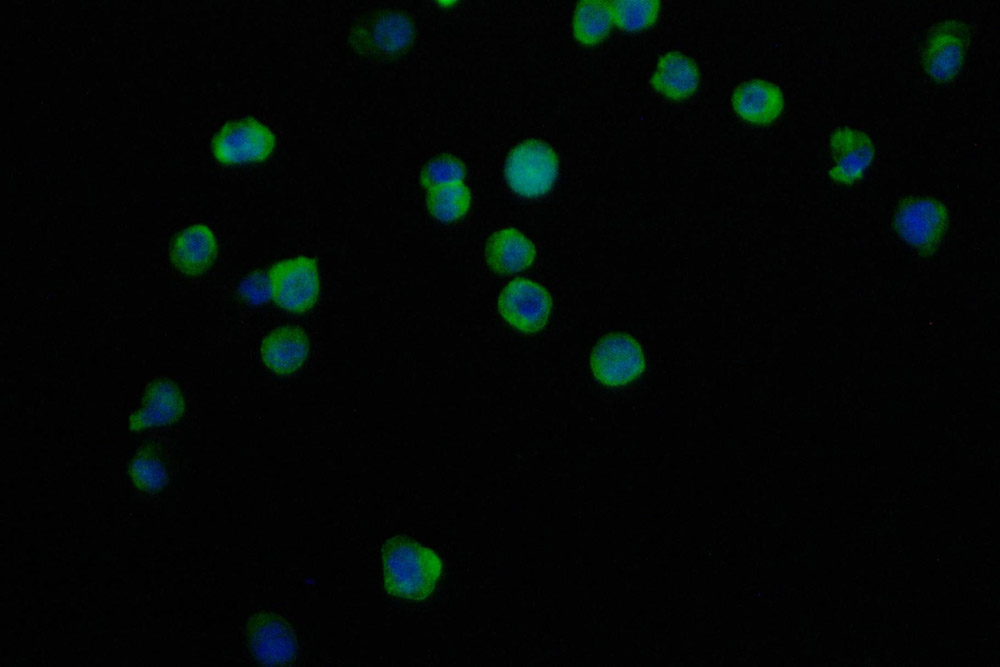
Tested Applications:
ELISA, WB, IF

Tested Applications:
ELISA, WB, IHC
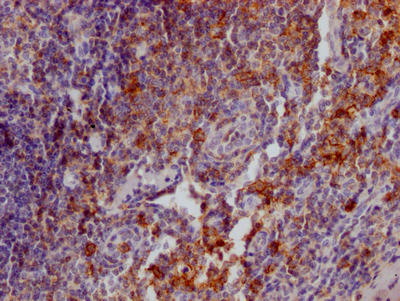
Tested Applications:
ELISA, IHC
| Target | Product Name | Species Reactivity | Tested Applications | Code |
|---|---|---|---|---|
| CD274 | CD274 Recombinant Monoclonal Antibody | Human | ELISA, WB, IHC | CSB-RA977797A0HU |
| CD274 | CD274 Recombinant Monoclonal Antibody | Human | ELISA, IHC, FC | CSB-RA878942MA1HU |
| CD38 | CD38 Recombinant Monoclonal Antibody | Human | ELISA, WB, IHC | CSB-RA796695A0HU |
| CD40 | CD40 Recombinant Monoclonal Antibody | Human | ELISA, IF, FC | CSB-RA004936MA1HU |
| GCGR | GCGR Recombinant Monoclonal Antibody | Human | ELISA | CSB-RA009316A1HU |
| IL17A | IL17A Recombinant Monoclonal Antibody | Human | ELISA | CSB-RA624104MA1HU |
| IL23A | IL23A Recombinant Monoclonal Antibody | Human | ELISA, WB | CSB-RA251959A0HU |
| IL6 | IL6 Recombinant Monoclonal Antibody | Human | ELISA | CSB-RA011664MA1HU |
| ITGAL | ITGAL Recombinant Monoclonal Antibody | Human | ELISA, WB, IF | CSB-RA787996A0HU |
| MS4A1 | CD20 Recombinant Monoclonal Antibody | Human | ELISA | CSB-RA015007A0HU |
| MS4A1 | MS4A1 Recombinant Monoclonal Antibody | Human | ELISA | CSB-RA015007A1HU |
| MS4A1 | MS4A1 Recombinant Monoclonal Antibody | Human, Dog, Macaca fascicularis | ELISA | CSB-RA015007MA3HU |
| MS4A1 | MS4A1 Recombinant Monoclonal Antibody | Human | ELISA, IHC, IF | CSB-RA015007MA4HU |
| PCSK9 | PCSK9 Recombinant Monoclonal Antibody | Human | ELISA, WB, IHC | CSB-RA259644A0HU |
| SELPLG | SELPLG Recombinant Monoclonal Antibody | Human | ELISA, IHC | CSB-RA567010A0HU |
| Target | Product Name | Species Reactivity | Tested Applications | Code |
|---|---|---|---|---|
| CD2 | CD2 Monoclonal Antibody | Human,Mouse,Rat | ELISA, IHC | CSB-MA000227 |
| CD2 | CD2 Monoclonal Antibody,FITC Conjugated | Human | ELISA, IF, FC | CSB-MA785710 |
| CD38 | CD38 Monoclonal Antibody | Human | ELISA, IHC | CSB-MA785760 |
| IL1B | IL1B Monoclonal Antibody | Human | ELISA | CSB-MA065741A0m |
| IL1B | IL1B Monoclonal Antibody | Human | ELISA, WB, IHC, ICC | CSB-MA010884 |
| IL6 | IL6 Monoclonal Antibody | Human | ELISA, WB, IHC | CSB-MA067571A0m |
| ITGAL | ITGAL Monoclonal Antibody,FITC Conjugated | Human | ELISA, IF, FC | CSB-MA120024 |
| ITGAL | ITGAL Monoclonal Antibody,PE Conjugated | Human | ELISA, IF, FC | CSB-MA897229 |
| MS4A1 | MS4A1 Monoclonal Antibody | Human,Mouse,Rat | ELISA, IHC | CSB-MA000204 |
| MS4A1 | MS4A1 Monoclonal Antibody | Human | ELISA, IHC | CSB-MA996413 |
| TNF | TNF Monoclonal Antibody | Bovine | ELISA | CSB-MA084771A0m |
| TNF | TNF Monoclonal Antibody | Human,Mouse,Rat | ELISA, WB, IHC | CSB-MA080271 |
| TNF | TNF Monoclonal Antibody | Human,Mouse,Rat | ELISA, WB, IHC | CSB-MA080272 |
Reference:
[1] Costimulation modulation with abatacept in patients with recent-onset type 1 diabetes: follow-up 1 year after cessation of treatment. Diabetes Care, 2014.
[2] CTLA4-Ig (abatacept): a promising investigational drug for use in type 1 diabetes. Expert Opin Investig Drugs, 2020.
[3] GLP-1 as a target for therapeutic intervention. Curr Opin Pharmacol, 2016.


