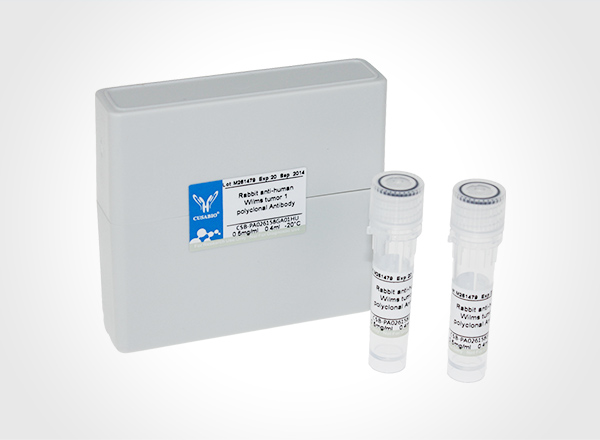
Liquid
Note: We will preferentially ship the format that we have in stock, however, if you have any special requirement for the format, please remark your requirement when placing the order, we will prepare according to your demand.
Upon receipt, store at -20°C or -80°C. Avoid repeated freeze.
Lead Time
Basically, we can dispatch the products out in 1-3 working days after receiving your orders. Delivery time maybe differs from different purchasing way or location, please kindly consult your local distributors for specific delivery time.
Note: All of our proteins are default shipped with normal blue ice packs, if you request to ship with dry ice, please communicate with us in advance and extra fees will be charged.
Usage
For Research Use Only. Not for use in diagnostic or therapeutic procedures.
Binds and activates the KLRK1/NKG2D receptor, mediating natural killer cell cytotoxicity.
Gene References into Functions
we show that Simian Virus 40 (SV40)...evades NK cell attack through the down regulation of...ULBP1PMID:26992229
ATF4 drives ULBP1 gene expression in cancer cell lines, while the RNA-binding protein RBM4 supports ULBP1 expression by suppressing a novel alternatively spliced isoform of ULBP1 mRNA.PMID:26565589
expression determines intrinsic acute myeloid leukemia susceptibility to allogeneic V[gamma]9V[delta]2 T cellsPMID:24911793
recurrence-free survival of patients with ULBP1-negative hepatocellular carcinoma (HCC) was significantly shorter than that of patients with ULBP1-positive HCCPMID:21756848
recombinant ULBP1 fused to CD45 caused a reduction in cytotoxicity and degranulation by NK cells, implying a role for receptor ligand distribution in the activation of NK cell responsesPMID:21464092
Data show that ULBP1, TFR2 and IFITM1 were associated with increased susceptibility to Vgamma9Vdelta2 T-cell cytotoxicity.PMID:20220060
These results identify Mult1 as a target for the MARCH family of E3 ligasesPMID:20870941
As NKG2D ligand, ULBP1 are expressed on immature dendritic cells and plays an important role in the cytotoxic effect of NK cells against iDC.PMID:18394338
Data show that the protease NS3/4A of HCV down-regulates ULBP1 expression by inhibiting the transcription of ULBP1.PMID:19500498
ULBP1 binds to the NKG2D receptor and activates multiple signaling pathways in primary natural killer cells.PMID:11777960
The NKG2D ligand ULBP1 is up-regulated and readily detectable intracellularly in the endoplasmic reticulum of human cytomegalovirus-infected fibroblasts, where it colocalizes with viral protein UL16.PMID:12847260
ULBP1 is a human ligand of the NKG2D receptorPMID:16901903
The selective induction of ULBP1 expression by proteasome inhibitor drugs, along with variable NKG2D ligand expression by human tumor cells, indicates that NKG2D ligand genes are independently regulated.PMID:19414815
Expressed in T-cells, B-cells, erythroleukemia cell lines and in a wide range of tissues including heart, brain, lung, liver, testis, lymph node, thymus, tonsil and bone marrow. Also found in fetal heart, brain, lung and liver.