-SDS.jpg)
-SDS.jpg)


Call us
301-363-4651 (Available 9 a.m. to 5 p.m. CST from Monday to Friday)


Annually, April 17 marks "World Hemophilia Day," an international day established with the aim of increasing public awareness about hemophilia, fostering greater understanding and support for hemophilia patients and their families, and incentivizing research innovation to enhance the quality of life for those affected. The theme of the event this year is “Equitable access for all: recognizing all bleeding disorders”.
Hemophilia, an X-linked recessive genetic disorder primarily affecting males, is caused by a deficiency or dysfunction of clotting factors VIII or IX, with Hemophilia A (Factor VIII deficiency) and Hemophilia B (Factor IX deficiency) being the two main disease types. Due to the lack of these crucial clotting factors, the clotting process is impaired, rendering patients unable to effectively form clots to seal wounds. Hemophilia patients often exhibit an uncontrolled bleeding tendency, with even minor traumas or spontaneous bleeding episodes posing significant threats to their well-being, and potentially endangering their lives. While females typically serve as carriers, they may also manifest symptoms under certain circumstances. ( Learn more about Hemophilia >> )
Significant advancements have been made in hemophilia research in recent years. Scientists are actively exploring novel therapeutic approaches, including gene therapy, long-acting clotting factor replacement therapies, and small molecule drug development. Gene therapy stands out as one of the most exciting directions, with researchers striving to introduce normal clotting factor genes into patients' bodies via viral vectors, enabling them to produce sufficient clotting factors for long-term or even permanent therapeutic effects. Moreover, targeting other regulatory factors within the coagulation pathway for pharmaceutical intervention has emerged as a new focus in drug target exploration.
In drug development, several long-acting clotting factor products have already received market approval, capable of maintaining clotting factor levels in the blood for extended periods, reducing injection frequency, and significantly enhancing patients' quality of life. Concurrently, non-factor therapies, such as antisense oligonucleotide drugs and antibody-based therapies, demonstrate promising potential in clinical trials, poised to offer a more diverse array of treatment options in the future.
CUSABIO consistently dedicates itself to providing high-quality research reagents such as proteins, antibodies, and ELISA kits to researchers. Given the criticality and urgency of hemophilia research, we have specially curated a list of more than 20 popular targets and related reagent products pertinent to hemophilia studies below for your selection.
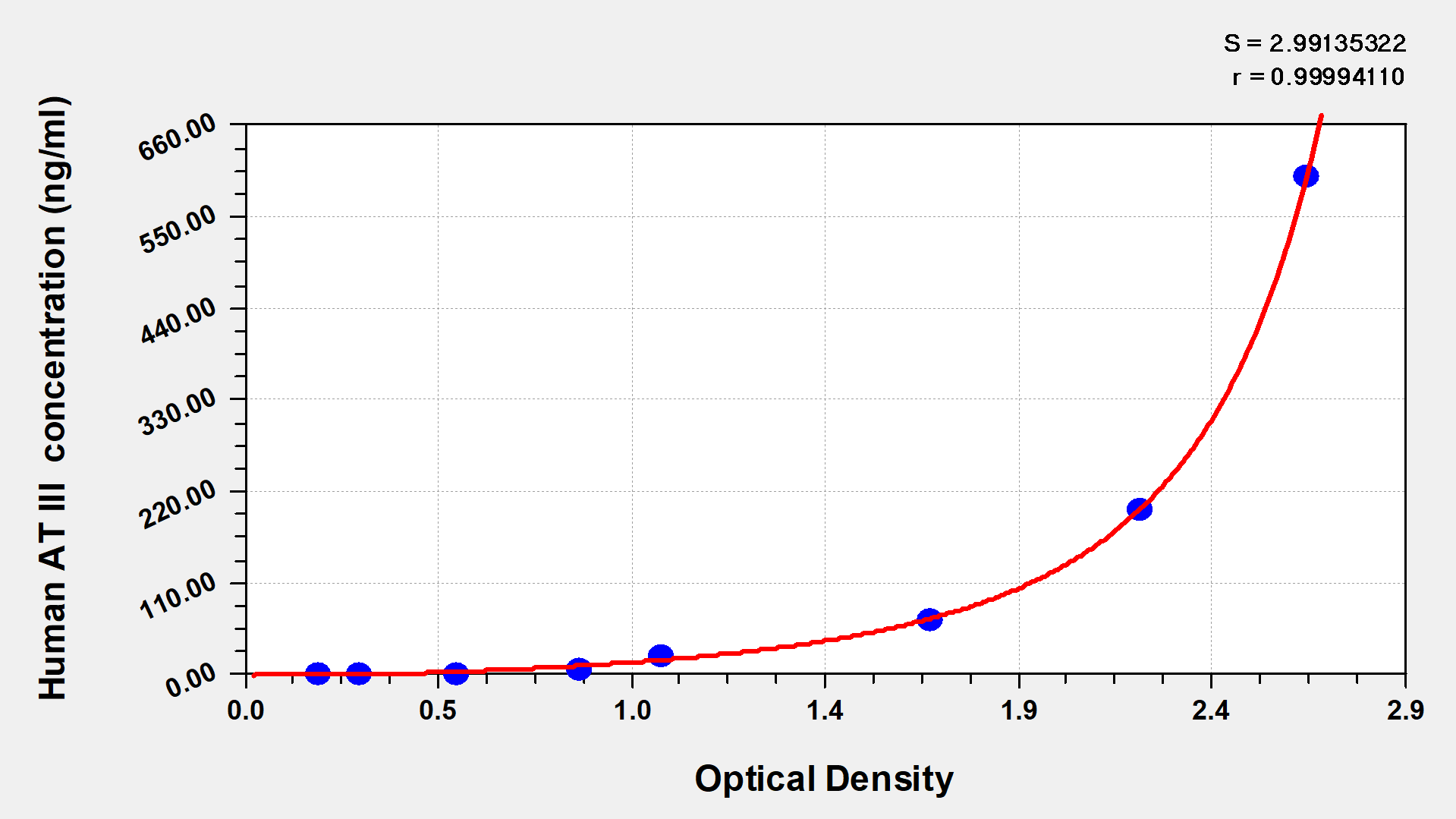
Human Antithrombin III(AT III)ELISA Kit
CSB-E17902h

Human coagulation factor Ⅹ,FⅩ ELISA Kit
CSB-E08440h
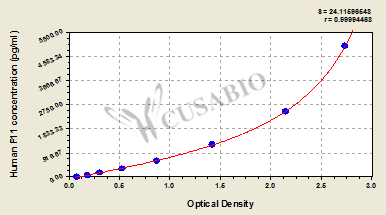
Human Coagulation factor XI(F11) ELISA kit
CSB-EL007916HU
| Product Name | Code | Target | Detection Range | Sensitivity |
|---|---|---|---|---|
| Human apolipoprotein E (Apo-E) ELISA Kit | CSB-E09748h | APOE | 15.62 ng/mL-1000 ng/mL | 3.9 ng/mL |
| Rat apolipoprotein E (Apo-E) ELISA Kit | CSB-E09749r | APOE | 15.6 ng/mL-1000 ng/mL | 15.6 ng/mL |
| Mouse apolipoprotein E (Apo-E) ELISA Kit | CSB-E09750m | APOE | 6.25 ng/mL-400 ng/mL | 1.56 ng/mL |
| Pig apolipoprotein E (Apo-E) ELISA Kit | CSB-E17889p | APOE | 31.25 ng/mL-2000 ng/mL | 7.81 ng/mL |
| Monkey Apolipoprotein E(APOE) ELISA Kit | CSB-EL001936RH | APOE | 6.25 ng/mL-400 ng/mL | 1.56 ng/mL |
| Human cluster of differentiation 4,CD4 ELISA Kit | CSB-E08956h | CD4 | 0.625 ng/mL-40 ng/mL | 0.156 ng/mL |
| Rat cluster of differentiation 4,CD4 ELISA Kit | CSB-E12928r | CD4 | 0.78 U/mL-50 U/mL | 0.195 U/mL |
| Chicken Cluster of Differentiation 4(CD4) ELISA Kit | CSB-E13114C | CD4 | 3.125 ng/mL-800 ng/mL | 3.125 ng/mL |
| Human Cluster of differentiation 8,CD8 ELISA Kit | CSB-E12707h | CD8A | 62.5 U/mL-4000 U/mL | 15.6 U/mL |
| Human coagulation factor Ⅶ,FⅦ ELISA Kit | CSB-E12909h | F7 | 0.312 ng/mL-20 ng/mL | 0.078 ng/mL |
| Mouse coagulation factor Ⅶ,FⅦ ELISA Kit | CSB-E17817m | F7 | 0.45 ng/mL-30 ng/mL | 0.11 ng/mL |
| Rat Coagulation factor VII(F7) ELISA Kit | CSB-EL007930RA | F7 | 0.78 ng/mL-50 ng/mL | 0.195 ng/mL |
| Rabbit Coagulation factor VII(F7) ELISA Kit | CSB-EL007930RB | F7 | 3.9 ng/mL-250 ng/mL | 1 ng/mL |
| Mouse coagulation factor Ⅷ(FⅧ) ELISA Kit | CSB-E13084m | F8 | 0.312 ng/mL-20 ng/mL | 0.078 ng/mL |
| Human coagulation factor VIII (FVⅢ) ELISA Kit | CSB-E13861h | F8 | 12.5 ng/mL-800 ng/mL | 3.12 ng/mL |
| Pig coagulation factor VIII(FVIII) ELISA Kit | CSB-E15000p | F8 | 62.5 ng/mL-4000 ng/mL | 15.62 ng/mL |
| Human coagulation factor Ⅸ,FⅨ ELISA Kit | CSB-E08443h | F9 | Request Information | Request Information |
| Human Fibrinogen beta chain (FGB) ELISA Kit | CSB-E09611h | FGB | 0.45 ng/ml-30 ng/ml | 0.11 ng/ml |
| Human Insulin-like growth factor 2 mRNA-binding protein 3(IGF2BP3) ELISA Kit | CSB-EL011092HU | IGF2BP3 | 37.5 pg/mL-2400 pg/mL | 9.37 pg/mL |
| Mouse Interleukin 2,IL-2 ELISA Kit | CSB-E04627m-IS | IL2 | 3.9 pg/ml-250 pg/ml | 0.975 pg/ml |
| Human Interleukin 2,IL-2 ELISA Kit | CSB-E04626h | IL2 | 31.25 pg/ml-2000 pg/ml. | 7.81 pg/ml |
| Mouse Interleukin 2,IL-2 ELISA Kit | CSB-E04627m | IL2 | 31.25 pg/ml - 2000 pg/ml | 7.8 pg/ml |
| Rat Interleukin 2,IL-2 ELISA Kit | CSB-E04628r | IL2 | 6.25 pg/mL-400 pg/mL | 1.56 pg/mL |
| Pig interleukin 2,IL-2 ELISA Kit | CSB-E06783p | IL2 | 15.6 pg/mL-1000 pg/mL | 3.9 pg/mL |
| Rabbit Interleukin 2,IL-2 ELISA Kit | CSB-E08745Rb | IL2 | 31.25 pg/mL-2000 pg/mL | 7.8 pg/mL |
| Bovine Interleukin 2,IL-2 ELISA Kit | CSB-E09810b | IL2 | 31.25 pg/mL-2000 pg/mL | 7.8 pg/mL |
| Sheep Interleukin 2,IL-2 ELISA Kit | CSB-E11217Sh | IL2 | 31.25 pg/mL-2000 pg/mL | 7.81 pg/mL |
| Dog Interleukin 2,IL-2 ELISA Kit | CSB-E11258c | IL2 | 15.6 pg/mL-1000 pg/mL | 3.9 pg/mL |
| Goat Interleukin 2(IL-2) ELISA Kit | CSB-E12965G | IL2 | 15.6 pg/mL-1000 pg/mL | 3.9 pg/mL |
Q: What are Hemophilia A and Hemophilia B? What is the difference between them?
Hemophilia A and B are both genetic bleeding disorders primarily caused by a deficiency in specific coagulation factors. Hemophilia A is due to a deficiency in coagulation factor VIII (F8) and accounts for 80%-85% of all hemophilia cases. Hemophilia B is caused by a deficiency in coagulation factor IX (F9) . Both conditions have similar symptoms, potentially leading to spontaneous bleeding or prolonged bleeding after injury. However, they are caused by mutations in different genes and require supplementation of different coagulation factors for treatment.
Q: Why do some products on the page (e.g., Alb, TNF, CD4) not seem directly related to coagulation factors (e.g., F2, F7, F9)?
Hemophilia research extends beyond the coagulation factors themselves. For example, Albumin (Alb) is often used as a drug carrier or stabilizer in the development of coagulation factor therapeutics. Cytokines like Tumor Necrosis Factor (TNF) and Interferon-gamma (IFNG) are used to study potential inflammatory responses, immune reactions, or complications such as joint damage that may arise during hemophilia treatment. Our aim in offering these broadly related products is to provide comprehensive support for all aspects of hemophilia research, from the coagulation mechanism to the study of associated complications.
Q: I want to study the inflammatory response related to hemophilia. Which type of products should I choose?
Depending on your research model and species, you could consider:
Q: The page lists many antibodies related to coagulation factors. How can I quickly find the right antibody for my experiment?
You can filter your selection based on the following steps:
Q: Are these products intended for clinical treatment or for research use only?
All listed products, including recombinant proteins, antibodies, and ELISA kits, are intended for research use only and are not for use in diagnostic or therapeutic procedures. Our goal is to assist researchers in making breakthroughs in basic research and translational medicine, laying the groundwork for future diagnostic and therapeutic developments.
Q: What should I do if I cannot find a specific coagulation factor or a reagent for a particular species in the product list?
CUSABIO has an extensive product catalog. If you do not find the required item in this specific recommendation list, we encourage you to use the search bar at the top of our website to directly search for your target protein or contact our technical support team directly for customized searches or product recommendations.




