Mouse Interleukin 6,IL-6 ELISA KIT

Promotion
Code: CSB-E04639m
Size:
96T,5×96T,10×96T
96T,5×96T,10×96T
Pls inquire
Quantity:
Sample Types: serum, plasma, cell culture supernates
Detect Range: 1.56 pg/ml-100 pg/ml
Sensitivity: 0.39pg/ml
Trial Size:
24T ELISA Kit Trial Size (Only USD$150/ kit)
* Sample kit cost can be deducted as a $30 credit for each 96-assay kit of the same analyte and brand you subsequently purchase within six months until depleted. More details >>
Interested in a trial size? Please leave a message below.

For inquiries on large quantities or another requirements
Send an Inquiry
Start an on-line Chat
Online ordering is currently available for U.S. customers only. For orders outside the U.S., please kindly submit an inquiry or start a chat with us.
Promotion

Product Details

Alternative Names
Il6 ELISA Kit; Il-6Interleukin-6 ELISA Kit; IL-6 ELISA Kit; B-cell hybridoma growth factor ELISA Kit; Interleukin HP-1 ELISA Kit
Abbreviation
IL6
Uniprot NO.
Species
Mus musculus (Mouse)
Sample Type
serum, plasma, cell culture supernates
Detection Range
1.56 pg/ml-100 pg/ml
Sensitivity
0.39pg/ml
Assay Time
1-5h
Sample Loading Volume
50-100ul
Detection Wavelength
450 nm
Research Area
Immunology
Assay Principle
quantitative
The tag type will be determined during production process. If you have specified tag type, please tell us and we will develop the specified tag preferentially.
Measurement
Sandwich
Storage
Store at 2-8°C. Please refer to protocol.
Shelf Life
6 months
Lead Time
3-5 working days after you place the order, and it takes another 3-5 days for delivery via DHL or FedEx.
Note: All of our proteins are default shipped with normal blue ice packs, if you request to ship with dry ice, please communicate with us in advance and extra fees will be charged.
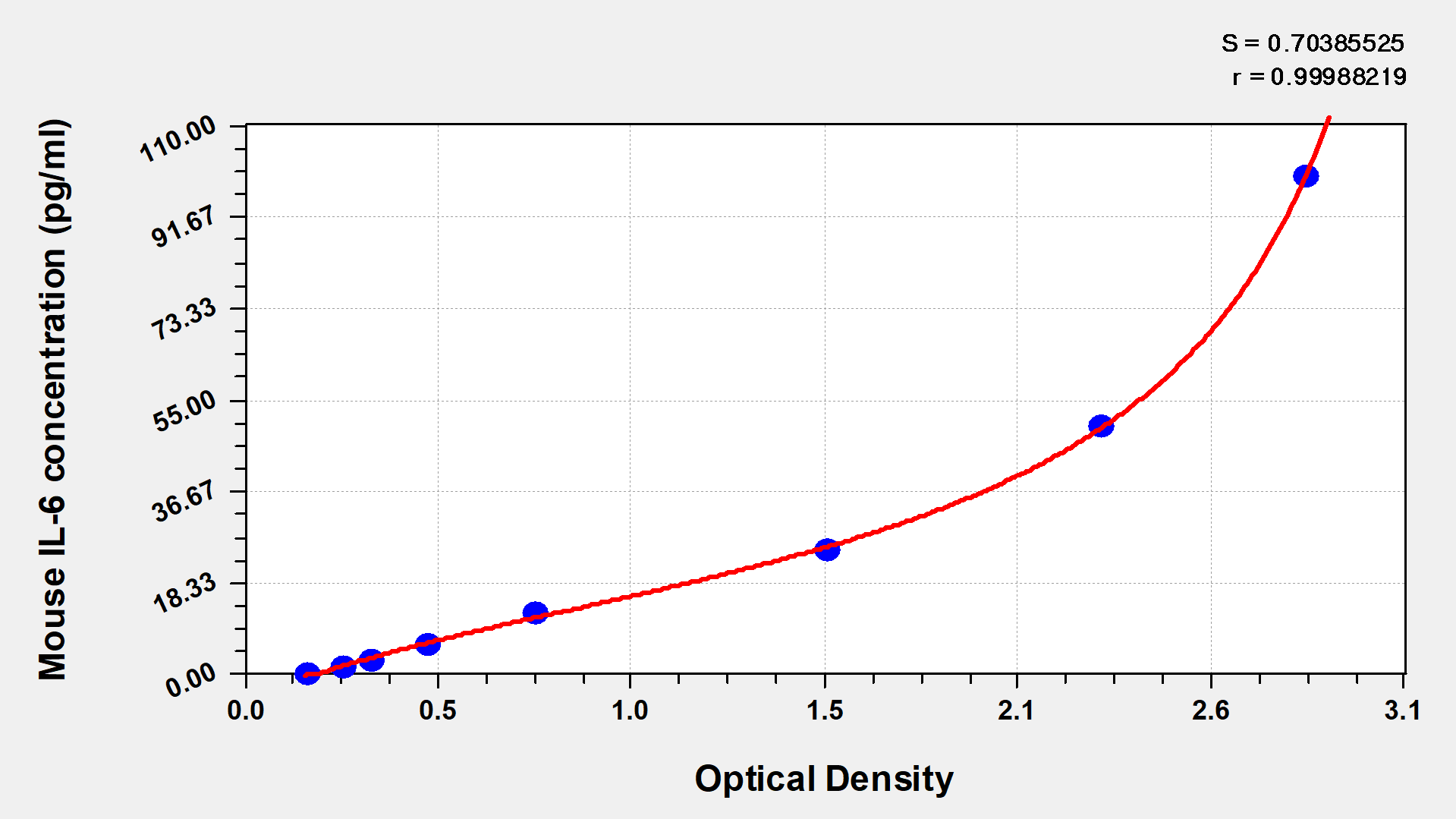
Typical Data
Troubleshooting and FAQs
Description

Interleukin-6 (IL-6) is a multifunctional cytokine that plays important roles in immune responses, inflammation, and hematopoiesis. Originally identified as a B-cell hybridoma growth factor, IL-6 regulates the acute phase response, promotes B-cell differentiation into antibody-producing plasma cells, and stimulates T-cell activation. Various cell types produce this cytokine, including macrophages, T-cells, endothelial cells, and fibroblasts in response to inflammatory stimuli. IL-6 signaling occurs through binding to its receptor complex, triggering downstream pathways that influence cell proliferation, differentiation, and survival. This makes it an important mediator in both physiological and pathological processes.

The Mouse Interleukin 6,IL-6 ELISA KIT (CSB-E04639m) is designed for quantitative detection of IL-6 in Mus musculus samples using a sandwich measurement approach. This assay requires 50-100ul sample volume and can be completed within 1-5 hours. Detection is performed at 450 nm wavelength, providing researchers with a reliable method for measuring mouse IL-6 levels in their experimental studies.

Application Examples

Note: The following application examples are drawn from a selection of publications citing this product. For additional applications, please refer to the full list of references in the "Citations" section.

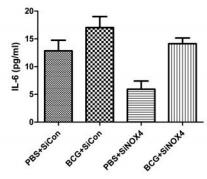
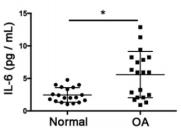
This mouse IL-6 ELISA kit has been used in inflammatory research to quantify IL-6 levels in various biological samples. The kit supports studies that examine cytokine responses in cellular and animal models, particularly in the context of immune activation and inflammatory processes.

Inflammatory cytokine profiling - Measurement of IL-6 alongside other pro-inflammatory cytokines including TNF-α and IL-1β in comprehensive cytokine panels
Macrophage research - Quantification of IL-6 secretion from cultured bone marrow-derived macrophages following various treatments and stimulations
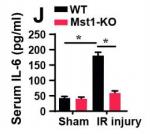
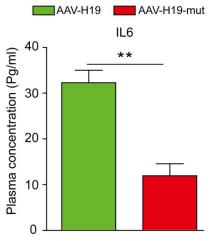
Plasma biomarker analysis - Measurement of circulating IL-6 levels in mouse plasma samples collected from experimental animal models
Cell culture supernatant analysis - Evaluation of IL-6 production in cell culture systems to study inflammatory responses and cytokine release
Gastrointestinal inflammation studies - Examination of inflammatory markers in experimental colitis models using dextran sodium sulfate
Pharmacological intervention research - Measurement of IL-6 modulation in response to various therapeutic compounds and experimental treatments
NLRP3 inflammasome research - Study of IL-6 production in the context of inflammasome activation and related inflammatory pathways
Customer Reviews and Q&A

 Customer Reviews
Average Rating:
4.9 - 14 reviews

Submit a Review here

Sample species : a:1:{i:0;a:2:{i:0;s:5:"Mouse";i:1;s:0:"";}}

Sample type: a:1:{i:0;a:2:{i:0;s:5:"Serum";i:1;s:0:"";}}

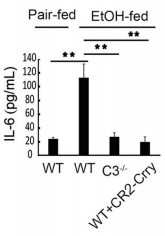
Review: In addition, TNF-α and IL-6 levels were increased in the ethanol-fed mice, and CR2-Crry treatment significantly reduced the levels of both cytokines.

By Anonymous

Sample species : a:1:{i:0;a:2:{i:0;s:5:"Mouse";i:1;s:0:"";}}

Sample type: a:1:{i:0;a:2:{i:0;s:5:"Serum";i:1;s:0:"";}}

Review: In addition, TNF-α and IL-6 levels were increased in the ethanol-fed mice, and CR2-Crry treatment significantly reduced the levels of both cytokines.

By Anonymous

Sample species : a:1:{i:0;a:2:{i:0;s:5:"Mouse";i:1;s:0:"";}}

Sample type: a:1:{i:0;a:2:{i:0;s:24:"Cell culture supernatant";i:1;s:0:"";}}

Review: In addition, TNF-α and IL-6 levels were increased in the ethanol-fed mice, and CR2-Crry treatment significantly reduced the levels of both cytokines.

By Anonymous

Sample species : a:1:{i:0;a:2:{i:0;s:5:"Mouse";i:1;s:0:"";}}

Sample type: a:1:{i:0;a:2:{i:0;s:24:"Cell culture supernatant";i:1;s:0:"";}}

Review: In addition, TNF-α and IL-6 levels were increased in the ethanol-fed mice, and CR2-Crry treatment significantly reduced the levels of both cytokines.

By Anonymous

Sample species : a:1:{i:0;a:2:{i:0;s:5:"Mouse";i:1;s:0:"";}}

Sample type: a:1:{i:0;a:2:{i:0;s:17:"Biological fluids";i:1;s:13:"Pleural fluid";}}

Review: In addition, TNF-α and IL-6 levels were increased in the ethanol-fed mice, and CR2-Crry treatment significantly reduced the levels of both cytokines.

By Anonymous

Sample species : a:1:{i:0;a:2:{i:0;s:5:"Mouse";i:1;s:0:"";}}

Sample type: a:1:{i:0;a:2:{i:0;s:22:"Plasma (anticoagulant)";i:1;N;}}

Review: In addition, TNF-α and IL-6 levels were increased in the ethanol-fed mice, and CR2-Crry treatment significantly reduced the levels of both cytokines.

By Anonymous

Sample species : a:1:{i:0;a:2:{i:0;s:5:"Mouse";i:1;s:0:"";}}

Sample type: a:1:{i:0;a:2:{i:0;s:22:"Plasma (anticoagulant)";i:1;N;}}

Review: In addition, TNF-α and IL-6 levels were increased in the ethanol-fed mice, and CR2-Crry treatment significantly reduced the levels of both cytokines.

By Anonymous

Sample species : a:1:{i:0;a:2:{i:0;s:5:"Mouse";i:1;s:0:"";}}

Sample type: a:1:{i:0;a:2:{i:0;s:22:"Plasma (anticoagulant)";i:1;N;}}

Review: In addition, TNF-α and IL-6 levels were increased in the ethanol-fed mice, and CR2-Crry treatment significantly reduced the levels of both cytokines.

By Anonymous

Sample species : a:1:{i:0;a:2:{i:0;s:5:"Mouse";i:1;s:0:"";}}

Sample type: a:1:{i:0;a:2:{i:0;s:24:"Cell culture supernatant";i:1;s:0:"";}}

Sample dilution: a:1:{i:0;a:2:{i:0;s:11:"No dilution";i:1;s:0:"";}}

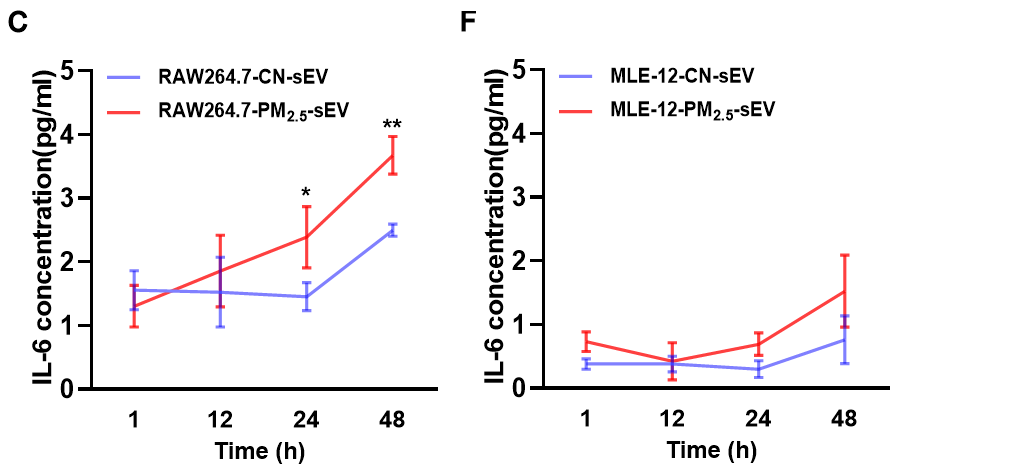
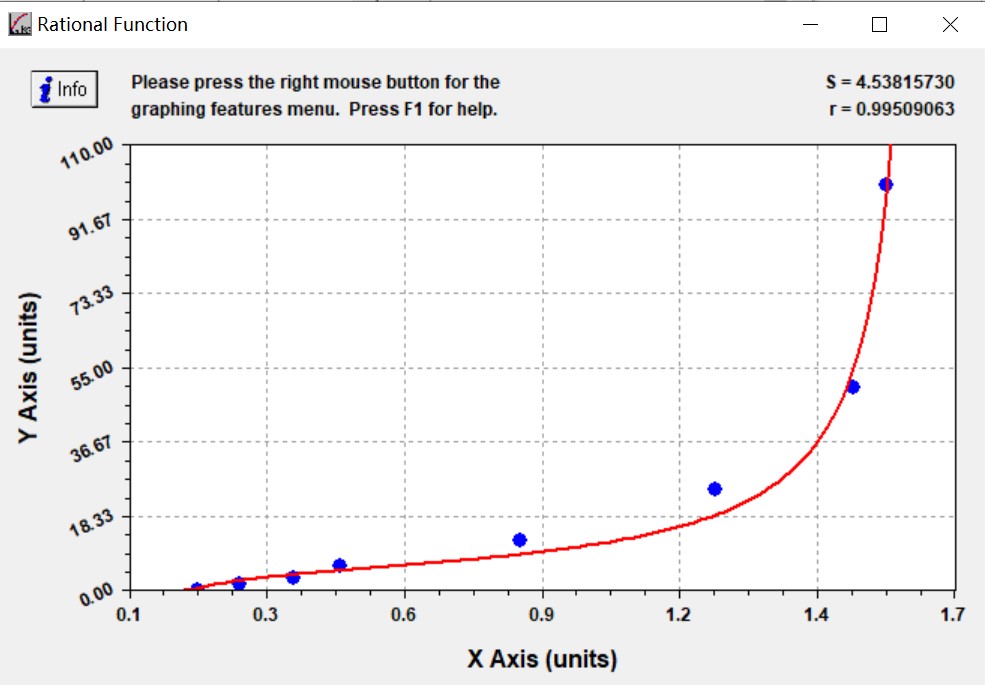
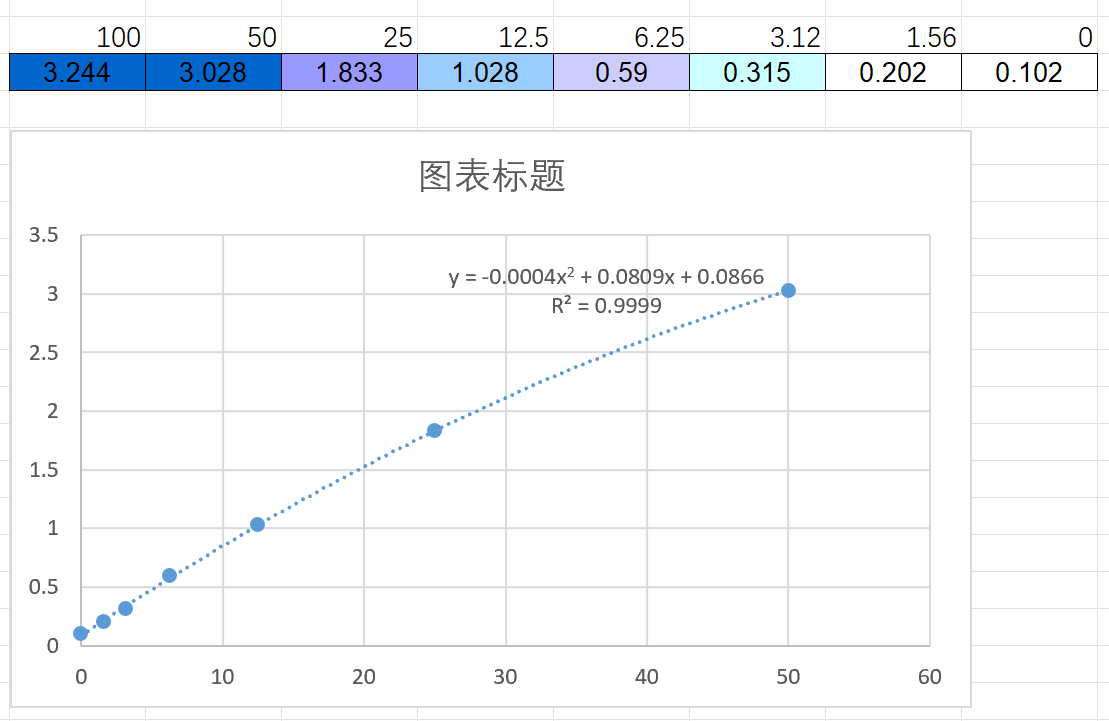
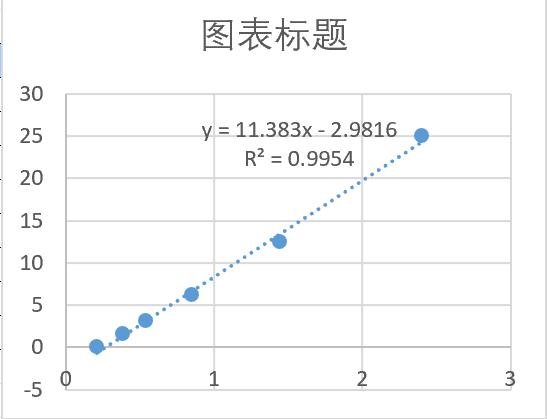
Review: I used CSB-E04639m to detect IL6 levels in cell supernatant exosomes and mouse supernatants, respectively. The results of the standard curve were good, as shown in the Appendix. However, during the actual assay, probably due to the small changes in IL-6 in the treated group, the majority of values were below the detection limit, but some values could still be detected after increasing the sample size, and the final results could be used in the article.

By Anonymous

Sample species : a:1:{i:0;a:2:{i:0;s:5:"Mouse";i:1;s:0:"";}}

Sample type: a:1:{i:0;a:2:{i:0;s:17:"Tissue homogenate";i:1;s:0:"";}}

Sample dilution: a:1:{i:0;a:2:{i:0;s:11:"No dilution";i:1;s:0:"";}}

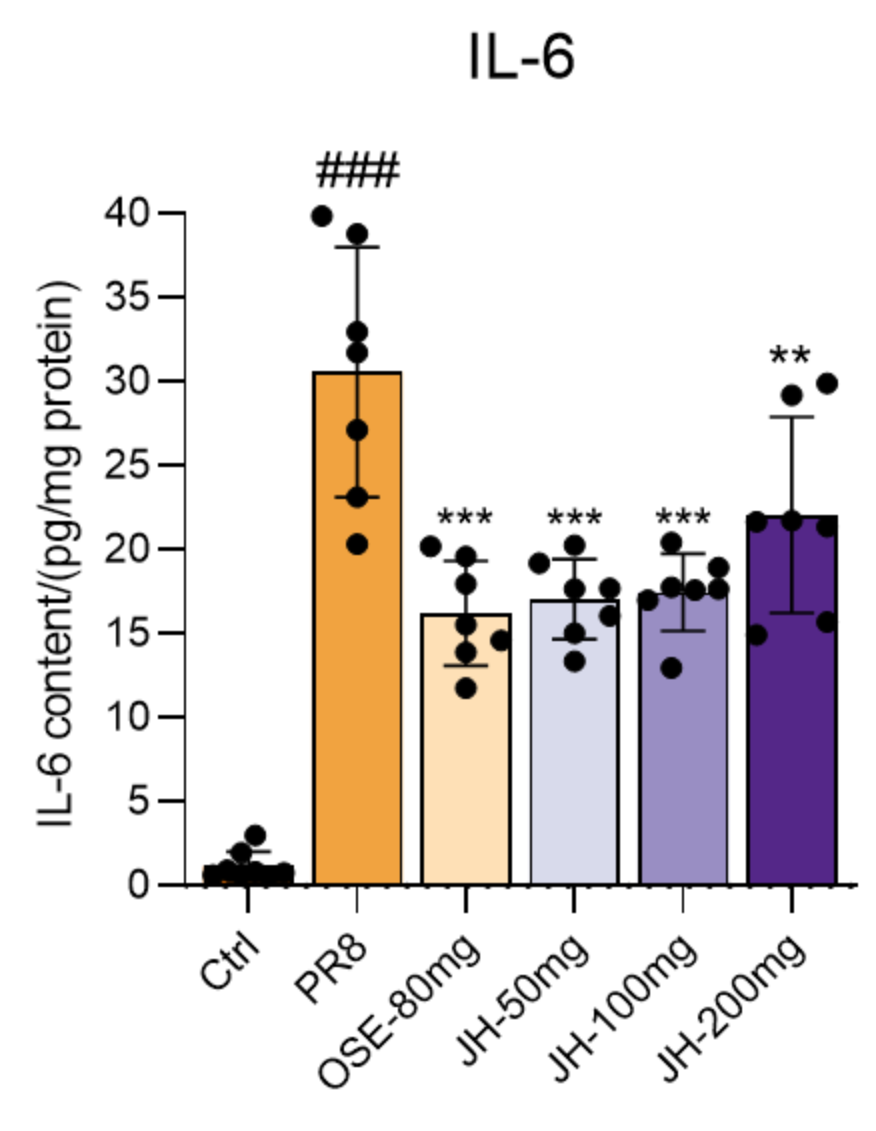
Review: I have tested the CSB-E04639m for PR8 virus-infected mouse lung tissue homogenates, the operation is simple and easy to use, the sensitivity is very high, and the test results are very accurate.

By Anonymous

Sample species : a:1:{i:0;a:2:{i:0;s:5:"Mouse";i:1;s:0:"";}}

Sample type: a:1:{i:0;a:2:{i:0;s:5:"Serum";i:1;s:0:"";}}

Sample dilution: a:1:{i:0;a:2:{i:0;s:5:"1:100";i:1;s:0:"";}}

Review: I used CSB-E04639m to detect spontaneous T2DM mice db/db mice, the dilution ratio was 1: 5, the dilution ratio was large, the concentration was low, the undiluted serum concentration was just right, and the standard curve of this product was particularly accurate!

By Anonymous

Sample species : a:1:{i:0;a:2:{i:0;s:5:"Mouse";i:1;s:0:"";}}

Sample type: a:1:{i:0;a:2:{i:0;s:5:"Serum";i:1;s:0:"";}}

Sample dilution: a:1:{i:0;a:2:{i:0;s:11:"No dilution";i:1;s:0:"";}}

Review: I have detected influenza virus infection in the peripheral blood supernatant of mice using CSB-E04639m. The operation is simple, convenient, and easy to get started, with very high sensitivity and very accurate detection results.

By Anonymous

Sample species : a:1:{i:0;a:2:{i:0;s:5:"Mouse";i:1;s:0:"";}}

Sample type: a:1:{i:0;a:2:{i:0;s:17:"Biological fluids";i:1;s:28:"bronchoalveolar lavage fluid";}}

Sample dilution: a:1:{i:0;a:2:{i:0;s:11:"No dilution";i:1;s:0:"";}}

Review: We used CSB-E04639m to measure the IL-6 level in bronchoalveolar lavage fluid of normal and smoking C57B/L mice. The OD value of normal group was 0.049-0.478, and that of smoking group was 0.844-1.252.

By Anonymous

Sample species : a:1:{i:0;a:2:{i:0;s:5:"Mouse";i:1;s:0:"";}}

Sample type: a:1:{i:0;a:2:{i:0;s:24:"Cell culture supernatant";i:1;s:0:"";}}

Sample dilution: a:1:{i:0;a:2:{i:0;s:5:"Other";i:1;s:3:"1:2";}}

Review: CSB-E04639m was used to test the culture supernatant of mouse DC2.4 cells. The standard curve showed that the od value of the control group was 0.46-0.49, and the OD value of the mature group stimulated with IFN was 0.43-0.5.

By Anonymous

Citations

Target Background

Function(From Uniprot)
Cytokine with a wide variety of biological functions in immunity, tissue regeneration, and metabolism (Probable). Binds to IL6R, then the complex associates to the signaling subunit IL6ST/gp130 to trigger the intracellular IL6-signaling pathway. The interaction with the membrane-bound IL6R and IL6ST stimulates 'classic signaling', whereas the binding of IL6 and soluble IL6R to IL6ST stimulates 'trans-signaling'. Alternatively, 'cluster signaling' occurs when membrane-bound IL6:IL6R complexes on transmitter cells activate IL6ST receptors on neighboring receiver cells.; IL6 is a potent inducer of the acute phase response. Rapid production of IL6 contributes to host defense during infection and tissue injury, but excessive IL6 synthesis is involved in disease pathology. In the innate immune response, is synthesized by myeloid cells, such as macrophages and dendritic cells, upon recognition of pathogens through toll-like receptors (TLRs) at the site of infection or tissue injury. In the adaptive immune response, is required for the differentiation of B-cells into immunoglolin-secreting cells (Probable). Plays a major role in the differentiation of CD4(+) T cell subsets. Essential factor for the development of T follicular helper (Tfh) cells that are required for the induction of germinal-center formation. Together with IL21, controls the early generation of Tfh cells and are critical for an effective antibody response to acute viral infection. Required to drive naive CD4(+) T cells to the Th17 lineage, through 'cluster signaling' by dendritic cells. Also required for proliferation of myeloma cells and the survival of plasmablast cells (Probable).; Acts as an essential factor in bone homeostasis and on vessels directly or indirectly by induction of VEGF, resulting in increased angiogenesis activity and vascular permeability. Induces, through 'trans-signaling' and synergistically with IL1B and TNF, the production of VEGF. Involved in metabolic controls, is discharged into the bloodstream after muscle contraction increasing lipolysis and improving insulin resistance. 'Trans-signaling' in central nervous system regulates energy and glucose homeostasis. Mediates, through GLP-1, crosstalk between insulin-sensitive tissues, intestinal L cells and pancreatic islets to adapt to changes in insulin demand. Also acts as a myokine. Plays a protective role during liver injury, being required for maintenance of tissue regeneration. Also has a pivotal role in iron metabolism by regulating HAMP/hepcidin expression upon inflammation or bacterial infection. Through activation of IL6ST-YAP-NOTCH pathway, induces inflammation-induced epithelial regeneration.
Gene References into Functions
  1. These results suggest that TCF21 contributes to the proinflammatory environment in VIS fat depots and to active ECM remodeling of these depots by regulating IL6 expression and MMP-dependent ECM remodeling in a spatiotemporally coordinated manner. PMID:29540474
  2. Notch signaling regulates cell density-dependent apoptosis through IL-6/STAT3-dependent mechanism. PMID:30249464
  3. Obesity-induced IL-6 shifts macrophage polarization towards tumor-promoting macrophages that produce the CCL-20 in the colitis-associated colorectal cancer (CAC) microenvironment. CCL-20 promotes CAC progression by recruiting CCR6-expressing B-cells and gammadelta T cells via chemotaxis. PMID:29695802
  4. In glioblastoma, colony-stimulating factor-1 and angiocrine IL-6 induce robust arginase-1 expression and macrophage alternative activation, mediated through peroxisome proliferator-activated receptor-gamma-dependent transcriptional activation of hypoxia-inducible factor-2alpha. PMID:29422647
  5. microbiota provide a homeostatic role for epithelial barrier function through regulation of intraepithelial lymphocytes -derived IL-6 PMID:28812548
  6. Ischemia augments alloimmune injury through IL-6-driven CD4+ alloreactivity. PMID:29410442
  7. Results suggest that IL-6 contributes to limit lipid metabolic disorder, cardiac hypertrophy, fibrosis, inflammation and myocardium lipotoxicity during HFD-induced obesity. PMID:28844956
  8. CD37 may protect against IgA nephropathy by inhibition of the IL-6 pathway. PMID:29551516
  9. IL-6/Stat3 signaling drives a transcriptional program of antimicrobial gene expression in infected urothelium, with key roles in limiting epithelial invasion and ascending infection. PMID:29475562
  10. IL-6 and STAT3 have roles in potentiating FGF19-driven hepatocellular carcinoma (HCC) in mice; this finding may have translational relevance in HCC pathogenesis PMID:28508871
  11. IGF-1R signalling contributes to T cell dependent inflammation in arthritis. Inhibition of IGF-1R on the level of insulin receptor substrates alleviates arthritis by restricting IL6-dependent formation of Th17 cells and may open for new treatment strategies in rheumatoid arthritis. PMID:28583713
  12. The present study demonstrates for the first time that IL-6 trans-signaling is involved in the pathomechanisms of compromised fracture healing after severe injury, whereas IL-6 classic signaling rather mediates pro-regenerative effects augmenting bone regeneration PMID:29497762
  13. persistent stimulation with titanium particles may lead to a consistent release of TNF-alpha and IL-6 via SPHK-2 activity, which may lead to aseptic implant loosening PMID:29728804
  14. IL-6-STAT3 signaling facilitates TRIM28 binding to the Il17-Il17f locus, and this process is required for epigenetic activation and high-order chromosomal interaction in autoimmune experimental encephalomyelitis. PMID:29651155
  15. IL-6 induces utrophin expression through NRG-1/ErbB pathway in dystrophic myotubes. PMID:27988307
  16. IL-6 overexpression could enhance cardiomyocyte proliferation and relevant protein expression in mice myocardium, thus promoting cardiac regeneration. PMID:29966974
  17. data revealed that IL-6 regulates the excessive release of NO through IL-1beta inhibition and determines the establishment of an M2 macrophage profile within infected heart tissue. PMID:28087471
  18. IL-6 plays a role in consolidation process. PMID:29619678
  19. IL-6 expands dendritic cell and monocytic populations and ultimately leads to a robust T-cell driven immune response in Complete Freund's Adjuvant immunized mice. PMID:28474508
  20. These results suggested that the thrombinstimulated synthesis of IL6 was limited by HSP90 in osteoblasts, and that the effects of HSP90 were exerted at the point between Rhokinase and p38 MAPK. PMID:30066835
  21. Results suggest that interleukin 6 (IL-6) may be exploited for lung repair during influenza infection. PMID:28262742
  22. YY1 was progressively up-regulated in BV2 microglial cells stimulated with lipopolysaccharide (LPS), which was dependent on the transactivation function of nuclear factor kappa B (NF-kappaB). Furthermore, YY1 knockdown notably inhibited LPS-induced the activation of NF-kappaB signaling and interleukin-6 (IL-6) expression in BV-2cells. PMID:29803672
  23. The authors conclude that Mycobacterium tuberculosis ESAT-6 stimulates macrophage IL-6 production through STAT3 activation. PMID:28106119
  24. IL-6/soluble IL-6R differentially regulate RANKL-induced osteoclast differentiation and activity through modulation of NF-kappaB, ERK and JNK signaling pathways. PMID:28128332
  25. These results suggest that the inhibition of IL6/STAT3 signaling is a potential mechanism by which PZH is used in the treatment of ulcerative colitis. PMID:29845215
  26. CXCL9 may promote prostate cancer progression via inhibition of cytokines from T cells. PMID:29901197
  27. results suggest that IL-6 gene requires up-regulation of phospho-JAK2/STAT3, PACAP, and PAC1R and down-regulation of the TNF-alpha gene to modulate its anticonvulsive/neuroprotective potential PMID:29673861
  28. Toll-like receptor 4 (TLR4) requires physical and functional association with Fcalpha-mu protein (Fcalpha/muR) for its oligomer formation and interleukin-6 (IL-6) production from marginal zone (MZ) B cells. PMID:27146354
  29. TRYP improves the health condition of mice with DSS induced colitis by regulating the TNF-α/NF-κBp65 and IL-6/STAT3 signaling pathways via inhibiting the degradation of IκBα and the phosphorylation of STAT3. PMID:29724065
  30. Our results demonstrate that IL-6 activation in placenta is required for relaying inflammatory signals to the fetal brain and impacting behaviors and neuropathologies relevant to neurodevelopmental disease. PMID:27838335
  31. An IL-6 infusion model can initiate macrophage accumulation as well as aortic dilation, and under conditions of elevated tension, this proinflammatory cytokine can be produced by aortic vascular smooth muscle cells. PMID:29107003
  32. miR-155 seems to target Est-1 and induces ulcerative colitis via the IL-23/17/6-mediated Th17 pathway. PMID:28888763
  33. IL-6 and aging are involved in regulation of PPARalpha and PGC-1alpha expression and may influence the mitochondrial function. PMID:29173012
  34. CGRPinduced IL6 mRNA expression was mediated by mmu_circRNA_007893. PMID:29039515
  35. The results of this study indicated that persistently increased levels of IL-6 can lead to alterations in mTOR regulation of L-LTP. PMID:29104031
  36. These data demonstrate that the Pb18 strain of Paracoccidioides brasiliensis is able to activate the transcription of Notch1 receptor in J774 macrophages. Activation of this receptor with also activation of TLR 4 (via LPS) induces IL-6 production, which favors the pathogenesis. PMID:28600728
  37. IRF-1 may be at the nexus of the interplay between IFN-gamma and IL-6 in exacerbating a xenobiotic-induced inflammatory response, regulation of interferon responsive genes and autoimmunity PMID:28453771
  38. IL 6 and TGF beta perform essential role in cerebral malaria pathogenesis by modulating the level of glial cell induced neuroinflammation. PMID:28803696
  39. These results suggest that glucocorticoids' effects on adipose tissue immune response, both in a pro- and an anti-inflammatory manner, depend on the nutritional status. PMID:29847081
  40. EMMPRIN inhibited bFGF-induced IL-6 secretion by reducing the p65 subunit phosphorylation, it might be concluded that bFGF and EMMPRIN crosstalk in their respective signaling pathways. PMID:29104472
  41. pathologic levels of IL-6 in the periphery may play a role in the development of seizures when viral replication within the brain is limited following infection with a variant of Theiler's murine encephalomyelitis virus that does not replicate within the parenchyma of the brain. PMID:28741149
  42. TIARP independently down-regulated CXCL2 and IL-6 production by fibroblast-like synoviocytes, and the expression of chemokine receptors (CXCR1 and CXCR2) in neutrophils, with resultant reduction of neutrophil migration into arthritic joints. PMID:27995997
  43. these findings revealed a novel and unexpected role of IL-6 in ameliorating acute liver injury via regulating inflammatory responses in hepatic macrophages PMID:28822324
  44. increased circulating levels of IL-6 perturb the redox signaling cascade, even prior to the necrotic stage, leading to severe features and progressive nature of muscular dystrophy. PMID:28845212
  45. LPS increased mRNA and protein expressions of IL-6 and RANKL on day 14 PMID:28637991
  46. role in keratinocyte migration and proliferation through modulation of TGF-betaR expression and function PMID:27892604
  47. The in vitro findings suggest that GTS-21-induced IL-6 release from muscle is mediated via alpha7AChRs upstream of Stat-3 and -5 pathways and is associated with myonuclear accretion, possibly via MyoD and Pax7 expression. PMID:28282360
  48. Burn serum caused muscle cell death associated with increased mitochondrial fission and functional impairment. This alteration was alleviated with IL-6 antibody treatment, suggesting the cytokine plays a role in mitochondrial changes in muscle after systemic injury. PMID:28181922
  49. This study demonstrates that obesity-associated inflammation and metabolic disturbances depend on interleukin-6/Stat3-dependent formation of a distinct natural killer population, which may provide a target for the treatment of obesity, metaflammation-associated pathologies, and diabetes. PMID:28683285
  50. In the CNS, LPS administration had the greatest effect on IL-6 and LPS increased IL-6 mRNA expression only in non-neuronal cells. PMID:28456715

Show More

Hide All

Subcellular Location
Secreted.
Protein Families
IL-6 superfamily
Tissue Specificity
Expressed by dendritic cells and macrophages. Expressed by activated follicular B cells. Abundantly expressed in the central nervous system (CNS), particularly the hypothalamic region.
Database Links

UNIGENE: Mm.1019

KEGG: mmu:16193

STRING: 10090.ENSMUSP00000026845

  Email: support@cusabio.com
  Distributors Worldwide

CUSABIO guaranteed quality
icon of phone
Call us
301-363-4651 (Available 9 a.m. to 5 p.m. CST from Monday to Friday)
icon of address
Address
No. 269, Shendun 5th Road, Donghu Hi-Tech Development Area, Hubei Province, 430206, P.R.China
icon of social media
Join us with

Subscribe newsletter

Leave a message

* To protect against spam, please pass the CAPTCHA test below.
CAPTCHA verification
© 2007-2025 CUSABIO TECHNOLOGY LLC All rights reserved. 鄂ICP备15011166号-1
Select 0 Products