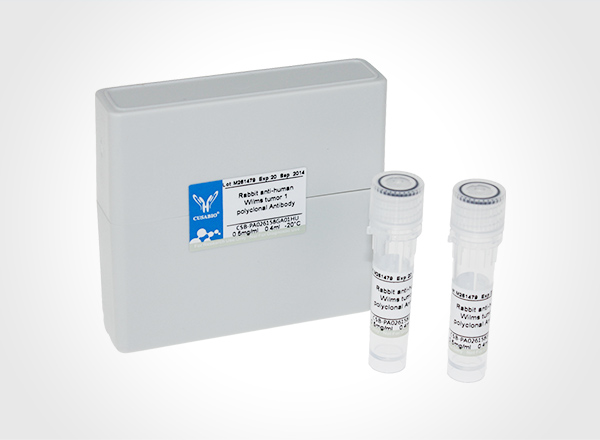
Liquid
Note: We will preferentially ship the format that we have in stock, however, if you have any special requirement for the format, please remark your requirement when placing the order, we will prepare according to your demand.
Storage
Upon receipt, store at -20°C or -80°C. Avoid repeated freeze.
Lead Time
Basically, we can dispatch the products out in 1-3 working days after receiving your orders. Delivery time maybe differs from different purchasing way or location, please kindly consult your local distributors for specific delivery time.
Note: All of our proteins are default shipped with normal blue ice packs, if you request to ship with dry ice, please communicate with us in advance and extra fees will be charged.
Usage
For Research Use Only. Not for use in diagnostic or therapeutic procedures.
Histone deubiquitinating component of the transcription regulatory histone acetylation (HAT) complex SAGA. Catalyzes the deubiquitination of both histones H2A and H2B, thereby acting as a coactivator. Recruited to specific gene promoters by activators such as MYC, where it is required for transcription. Required for nuclear receptor-mediated transactivation and cell cycle progression.
Gene References into Functions
USP22 and CCND1 levels correlate in patient lung and colorectal cancer samples and our preclinical studies indicate that targeting USP22 in combination with CDK inhibitors may offer an approach for treating cancer patients whose tumors exhibit elevated CCND1.PMID:30224477
these findings suggest that miR-30e-5p suppresses non-small cell lung cancer (NSCLC) tumorigenesis by downregulating USP22-mediated Sirt1/JAK/STAT3 signaling.PMID:29174979
USP22 played an important role in retinoblastoma cell proliferation/aging and apoptosis.PMID:28682440
indicate USP22 as a novel deubiquitinase of BMI1 in gliomaPMID:29788550
USP22 mediates CRC cell chemoresistance through the Wnt/beta-catenin pathway and that reducing USP22 in CRC cells diminishes chemoresistance.PMID:29689565
Data provided evidence that USP22, an up-stream molecule of AP4, exhibits strong potential to promote colorectal cancer (CRC) metastasis, particularly CRC migration and invasion capacities, both in vitro and in vivo, by inducing EMT via AP4 activating. Moreover, USP22 and AP4 overexpression may stimulate tumor metastasis and adversely affect overall survival in CRC patients.PMID:28427243
Cancer stem cells marker USP22 influences drug sensitivity via regulating SIRT1, which will shed new insights into the mechanisms of multidrug resistance in hepatocellular carcinoma .PMID:28417539
our study demonstrates that USP22 is indispensable for gastric cancer stem cell self-renewal through stabilization of BMI1.PMID:28415621
Downregulation of USP22 in ATC cells impeded tumor growth and lung metastasis in vivo.PMID:27145278
Studies indicate that aberrant expression of the Ubiquitin-Specific Peptidase 22 (USP22) has been associated with poor cancer prognosis.PMID:27057639
we demonstrated that USP22 was highly expressed in OS tissues and cells lines. Downregulation of USP22 inhibited OS cell proliferation, invasion, and EMT in vitro. In addition, downregulation of USP22 suppressed OS tumor growth and metastasis in vivo.PMID:27983930
In breast cancer cell lines USP22 increases c-Myc stability through c-Myc deubiquitination, which is closely correlated with breast cancer progression.PMID:28160502
findings suggest that USP22 may be involved in hepatocellular carcinoma progression in cooperation with survivin.PMID:26497847
These findings provide evidence that high USP22 expression might be important in tumor progression and serves as an independent molecular marker for poor hepatocellular carcinoma prognosisPMID:25909224
USP22 attenuated the invasion capacity of colon cancer cells by inhibiting the STAT3/MMP9 signaling pathway.PMID:25902005
Our data indicated that USP22 may promote lung adenocarcinoma cell invasion by the induction of EMT.PMID:25907317
Data show that the aggregates formed by polyQ-expanded ataxin 7 sequester ubiquitin-specific protease (USP22) through specific interactions.PMID:26195632
the deubiquitinating enzyme activity of USP22 is necessary for regulating HeLa cell growth, and it promotes cell proliferation via the c-Myc/cyclin D2, BMI-1 and p53 pathways in HeLa cellsPMID:26143114
ShRNA-mediated silencing of the ubiquitin-specific protease 22 gene restrained cell progression and affected the Akt pathway in nasopharyngeal carcinoma.PMID:25482932
Data indicate that ubiquitin specific peptidase 22 (USP22)-mediated sirtuin 1 (SIRT1) deubiquitination inhibits STAT3 transcription factor acetylation and its transcriptional activation.PMID:24969755
USP22 is overexpressed in human NSCLC tissues and cell lines. USP22 silencing downregulates MDMX protein expression and activates the p53 pathway.PMID:25547493
Increased USP22 expression in colon cancer correlated with reduced uH2B expression, and this expression pattern may contribute to tumor progression.PMID:25971547
findings of the present study suggest a potential mechanism underlying the oncogenic role of USP22 mediated by the modulation of the stability and activity of COX-2PMID:25817787
USP22 may accelerate ovarian cancer cell cycle progression via synergizing with TGFB1 to regulate the TGFB1 downstream cell cycle pathway.PMID:25369910
Collectively, the present study demonstrated a new function of USP22 that induces autophagy, thus leading to the poor prognosis of pancreatic cancer.PMID:25241857
Results show that USP22 and FoxM1 are overexpressed in patients with pancreatic cancer and jointly involved in the development and progression of pancreatic cancerthe disease.PMID:24993031
USP22 is involved in the carcinogenesis of human pharyngeal squamous cell carcinoma.PMID:25241842
The overexpression of USP22 was observed to attenuate TSAinduced apoptosis in HeLa cells.PMID:25323692
These results suggest that USP22 positively regulates RCAN1 levels, which would consequently affect diverse RCAN1-linked cellular processes.PMID:25546086
Overexpression of USP22 in pancreatic cancer promoted cytoskeletal remodeling, upregulated expression of transcription factors to promote epithelial-mesenchymal transition, and increased cellular invasion and migration.PMID:25070659
USP22 expression may play an important role in gastric carcinoma tissue.PMID:25445209
Genetic studies indicate that Gcn5 and USP22 have important roles during development, which may presage important functions for these proteins in human diseases. [review]PMID:25111486
USP22 overexpression may be associated with poor prognosis in patients with gliomaPMID:24573640
High expression of USP22 was associated with Salivary Adenoid Cystic Carcinoma.PMID:24466336
In the present study, a functional NLS and the minimal sequences required for the active targeting of USP22 to the nucleus were identified.PMID:24802393
Findings define USP22 as a critical effector of tumor progression, which drives lethal phenotypes.PMID:24197134
USP22 deubiquitinates and stabilizes NFATc2 protein levels thereby promoting IL2 expression.PMID:24561192
In this study, we investigated the protein expression of USP22 in different cervical tissues by immunohistochemical staining and analyze the correlation between USP22 level and clinicopathologic features including patient outcoPMID:23979981
Overexpression of USP22 may contribute to the progression of SDC and thus may serve as a new molecular marker to predict the prognosis of SDC patientsPMID:23664741
USP22 plays an important role in NSCLC progression at the early stage, and that overexpression of USP22 in tumor tissues could be used as a potential prognostic marker for patients with early clinical stage of NSCLCPMID:23361242
High USP22 expression is associated with papillary thyroid carcinoma.PMID:23412977
Sp1 is a crucial regulator of USP22 transcription.PMID:23300749
study identified the deubiquitinating enzyme ubiquitin-specific protease 22 (USP22), a component of the deubiquitinating module (DUBm) of the SAGA transcriptional coactivating complex, as a SIRT1-interacting partnerPMID:23382074
The USP22 regulates the cell cycle via the c--Myc/cyclin D2 pathway and down--regulating p15 and p21 expression in HepG2 cell.PMID:23217440
This is the first study that determines the relationship between USP22 expression and prognosis in oral squamous cell carcinoma.PMID:22880026
Data show that USP22 protein plays an essential role in esophageal squamous cell carcinoma (ESCC) progression and has clinical potentials as a biomarker and as an attractively therapeutic target for ESCC.PMID:22447106
USP22 may act as an oncogene in CRC as it positively regulates cell cycle via both BMI-1-mediated INK4a/ARF pathway and Akt signaling pathway.PMID:21928107
USP22 plays a crucial role in tumor formation and growth by regulating cell proliferation with USP22-dependent signaling pathway.PMID:21773699
RNAi-mediated knockdown of the ubiquitin hydrolase, USP22, results in 2-fold higher ubH2B, and 2-fold lower transcriptional elongation at IRF1. USP22 depletion also diminishes 3'-end cleavage/polyadenylation by 2- to 3-fold.PMID:22067483
simultaneous activation of USP22 and BMI-1 may associate with GC progression and therapy failurePMID:21735131
Show
More
Hide
All
Subcellular Location
Nucleus.
Protein Families
Peptidase C19 family, UBP8 subfamily
Tissue Specificity
Moderately expressed in various tissues including heart and skeletal muscle, and weakly expressed in lung and liver.