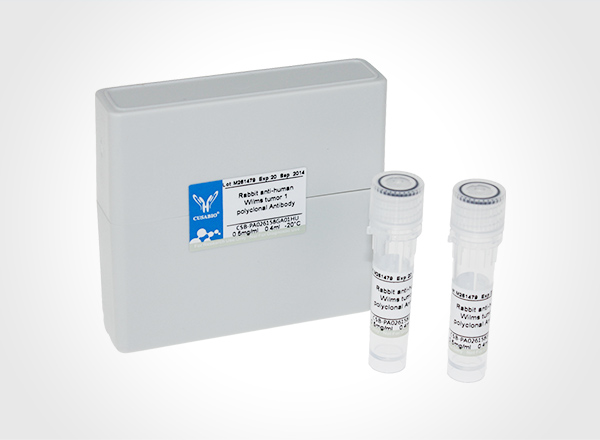
Liquid
Note: We will preferentially ship the format that we have in stock, however, if you have any special requirement for the format, please remark your requirement when placing the order, we will prepare according to your demand.
Storage
Upon receipt, store at -20°C or -80°C. Avoid repeated freeze.
Lead Time
Basically, we can dispatch the products out in 1-3 working days after receiving your orders. Delivery time maybe differs from different purchasing way or location, please kindly consult your local distributors for specific delivery time.
Note: All of our proteins are default shipped with normal blue ice packs, if you request to ship with dry ice, please communicate with us in advance and extra fees will be charged.
Usage
For Research Use Only. Not for use in diagnostic or therapeutic procedures.
May act as an oxidative stress mediator by inhibiting thioredoxin activity or by limiting its bioavailability. Interacts with COPS5 and restores COPS5-induced suppression of CDKN1B stability, blocking the COPS5-mediated translocation of CDKN1B from the nucleus to the cytoplasm. Inhibits the proteasomal degradation of DDIT4, and thereby contributes to the inhibition of the mammalian target of rapamycin complex 1 (mTORC1). Functions as a transcriptional repressor, possibly by acting as a bridge molecule between transcription factors and corepressor complexes, and over-expression will induce G0/G1 cell cycle arrest. Required for the maturation of natural killer cells. Acts as a suppressor of tumor cell growth.
Gene References into Functions
TXNIP facilitates the oxidative stress response in glomerular mesangial cells partially through AMPK pathway.PMID:30142540
Thioredoxin-interacting protein (Txnip) is highly induced in retinal vascular endothelial cells under diabetic conditions. Data (including data from studies using knockout mice) suggest that Txnip in retinal vascular endothelial cells plays role in diabetic retinal angiogenesis via Vegf/Vegfr2 and Akt/mTOR signaling. (Vegfr2 = vascular endothelial growth factor receptor-2)PMID:29203232
These results suggest that mitochondrial ROS-TXNIP/NLRP3/IL-1beta axis activation is responsible for tubular oxidative injury, which can be ameliorated by MitoQ via the inhibition of mtROS overproductionPMID:29475133
crucial role in haematopoietic stem cell aging by inhibiting p38 activity via direct interactionPMID:27929088
Data show that p38MAPK phosphorylation significantly increased in lentivirus vector thioredoxin interacting protein (LV-GFP-TXNIP) cells.PMID:29169415
NLR family, pyrin domain containing 3 protein (NLRP3)-/- mice exhibited less severe non-alcoholic steatohepatitis (NASH) than WT mice, whereas thioredoxin-interacting protein (TXNIP) deficiency enhanced NLRP3 inflammasome.PMID:28499273
TXNIP is a direct substrate of protein kinase B (AKT) and is responsible for mediating AKT-dependent acute glucose influx after growth factor stimulation.PMID:28591573
Our data indicate for the first time that the inflammasome is involved in the inflammatory response and cell death in hypoxia-induced beta cells through the ROS-TXNIP-NLRP3 axis in vitro. This provides new insight into the relationship between hypoxia and inflammation in T2D.PMID:29278702
Here the authors demonstrate that thioredoxin-interacting protein (Txnip), which regulates glucose homeostasis in mammals, binds to fructose transporters and promotes fructose absorption by the small intestine.PMID:27725089
thioredoxin-interacting protein deficiency alleviates diabetic renal lipid accumulation through regulation of Akt/mTOR pathwayPMID:27497988
All-trans retinoic acid plays a key role in inhibition of hepatic stellate cell activation via suppressing TXNIP expression, which reduces oxidative stress levels.PMID:28322443
TXNIP-NFYA-SREBP2/miR-33a-AMPKalpha/CROT/CPT1/HADHB pathway is conserved in mouse, rat, and human cardiomyocytes and regulates myocardial beta-oxidation.PMID:27199118
results suggest that melatonin confers protection against Cd-induced liver inflammation and hepatocyte death via inhibition of the TXNIP-NLRP3 inflammasome pathway.PMID:28099758
proteomic and functional analyses demonstrated that Txnip inhibits glucose transport through direct binding to glucose transporter 1 (GLUT1). An ex vivo analysis of perfused hearts further demonstrated that the enhanced functional reserve afforded by deletion of Txnip was associated with myocardial glucose utilization during beta-adrenergic stimulation.PMID:27037370
Thrombin activates reactive oxygen species (ROS)/thioredoxin binding protein (TXNIP)/NLRP3 signaling in BV2 microglia cells, which may indicate a mechanism that pro-inflammatory and pro-apoptotic contributes to the development of intracerebral hemorrhage (ICH).PMID:28202418
TxNIP appears to be an important factor in FFA-induced ROS generation and insulin resistance in skeletal muscle cellsPMID:27702549
Glucose exerts strong stimulatory effects on activation histone marks while having inhibitory effects on repression marks in the promoter of the TXNIP gene, and this was associated with a marked increase in expression of the proinflammatory gene in kidney.PMID:26806835
Diabetes induces TXNIP expressions at mRNA levels, but shows the opposite effect on GS.PMID:27131835
ITCH targets TXNIP for ubiquitin-proteasome degradation in cardiomyocytes and ameliorates reactive oxygen species-induced cardiotoxicity through the thioredoxin system.PMID:26796253
Txnip plays an important role in oxidative inflammatory response and atherosclerotic lesion development in ApoE knockout mice.PMID:26062991
The results indicate that a lack of TxNIP protects against diabetic nephropathy (DN) and support in vitro data that upregulation of TxNIP by glucose is a key mediator of early oxidative stress and a trigger for the development and progression of DN.PMID:25855771
Reactive oxygen species regulation through REDD1/TXNIP is physiological rheostat controlling stress-induced autophagy.PMID:25916556
These findings suggest that TXNIP is required for endothelial cell survival and homeostasis especially under stress conditions including hyperoxia.PMID:25329456
HG-induced NADPH oxidase activation is driven by TXNIP which subsequently triggers NALP3 inflammasome activation in podocytes and ultimately led to podocyte injuryPMID:25834832
Data indicate that thioredoxin-interacting protein (TXNIP)levels are induced in erythroid differentiation.PMID:25600403
In vivo, levels of lipogenic proteins, inflammatory molecules, PGC-1alpha, and PRMT1 were increased in the livers of HFD mice compared with those fed a chow diet, and were ameliorated in HFD Txnip(-/-) mice.PMID:25003952
we demonstrated that TXNIP-mediated NLRP3 inflammasome activation in cardiac microvascular endothelial cells was a novel mechanism of myocardial ischemia/reperfusion injuryPMID:25015733
Genetic deletion of Txnip in cells and mice led to increased protein ubiquitination and splicing of the unfolded protein response regulated transcription factor X-box-binding protein 1 at baseline as well as under endoplasmic reticulum stress.PMID:24843047
results demonstrate that TXNIP binding to NLRP3 is a key signaling mechanism necessary for hHcys-induced NLRP3 inflammasome formation and activation and subsequent glomerular injury.PMID:25138219
TXNIP is a promising new target for the development of new therapies for the treatment of retinal neurodegenerative diseases.PMID:24283717
The TXNIP expression is required for VEGF-mediated VEGFR2 activation and angiogenic response in vivo and in vitro. TXNIP expression regulates VEGFR-2 phosphorylation via S-glutathionylation of LMW-PTP in endothelial cells.PMID:23718729
We demonstrated that TXNIP impairs glucose and insulin tolerance in mice by upregulating G6pc through interaction with small heterodimer partner (SHP).PMID:24037087
studies have identified a novel TXNIP/miR-124a/FoxA2/IAPP signaling cascade linking the critical beta-cell signaling pathways of TXNIP and IAPPPMID:24627476
Data suggest that in vitro fertilization and embryo culture, even under optimal conditions, lead to long-term metabolic alterations; up-regulation of Txnip in offspring may serve as a biological markers for these ill effects.PMID:24684304
TXNIP regulates Src activation via regulation of VE-cadherin-SHP2-Src complex, resulting in altered endothelial cells stress fibers.PMID:24515523
TXNIP is a novel molecule that links NO synthesis and NLRP3 inflammasome activation during endotoxic shock.PMID:24098117
Nuclear factor-kappaB, c-Jun-N-terminal kinase, and signal transducer and activator of transcription 3 were activated much earlier and to a greater extent in Vitamin D3 up-regulated protein 1 knockout mice after partial hepatectomy.PMID:23820201
demonstrated increased expression of TXNIP, LC3/LC3-II and p62 in renal tubular cells in diabetic nephropathyPMID:24492284
Txnip is a critical regulator of glucose metabolism in oocytes and is involved in maintaining cytoplasmic streaming in mouse oocytes.PMID:23976953
These data implicate a critical role for TXNIP in diabetes-related impairment of ischemia-mediated angiogenesis and identify TXNIP as a potential therapeutic target for the vascular complications of diabetes.PMID:24198286
TXNIP is a regulator of p53 and plays a pivotal role in the maintenance of the hematopoietic cells by regulating intracellular ROS during oxidative stress.PMID:23823478
TXNIP controls microRNA expression and insulin production and miR-204 is involved in beta-cell function.PMID:23975026
tnxip is responsible for mediating substrate feedback inhibition and is a potential target for modulating creatine homeostasisPMID:23715727
an overview of TXNIP protein and functionPMID:22750447
Suppression of Txnip by lipopolysaccharide is accompanied by a decrease of the glucose sensing transcription factor MondoA in the nuclei.PMID:23520550
Data indicate that Txnip expression is increased in the hypothalamus of Gpr50-/- mice during torpor.PMID:23584857
The effect of hypoxia on TXNIP expression is mediated via the inhibition of the 4E-BP1/eIF4E axis of mechanistic target of rapamycin (mTORC1).PMID:23454121
Upregulation of Trx1 by Na2S therapy in the setting of heart failure sets into motion events which ultimately leads to the attenuationof left-ventricular remodeling.PMID:23349187
VDUP1-deficient mice wereresistant to P. aeruginosa-induced bacteremic shock. It promoted neutrophil recruitment into the peritoneal cavity & impeded the phagocytosis of non-opsonized P. aeruginosa by the PI 3-kinase pathway in macrophages.PMID:23246829
Nrf2 is a key gatekeeper of Txnip transcription, suppressing both its basal expression and MondoA-driven induction to control the thioredoxin redox signaling in diabetes.PMID:22869588