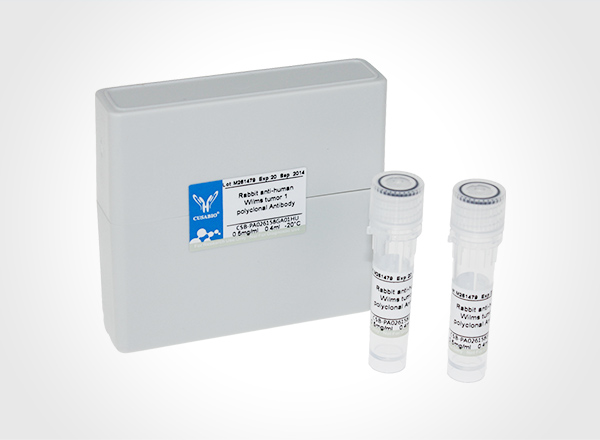
Liquid
Note: We will preferentially ship the format that we have in stock, however, if you have any special requirement for the format, please remark your requirement when placing the order, we will prepare according to your demand.
Upon receipt, store at -20°C or -80°C. Avoid repeated freeze.
Lead Time
Basically, we can dispatch the products out in 1-3 working days after receiving your orders. Delivery time maybe differs from different purchasing way or location, please kindly consult your local distributors for specific delivery time.
Note: All of our proteins are default shipped with normal blue ice packs, if you request to ship with dry ice, please communicate with us in advance and extra fees will be charged.
Usage
For Research Use Only. Not for use in diagnostic or therapeutic procedures.
Omega-hydroxyceramide transacylase involved in the synthesis of omega-O-acylceramides (esterified omega-hydroxyacyl-sphingosine; EOS), which are extremely hydrophobic lipids involved in skin barrier formation. Catalyzes the last step of the synthesis of omega-O-acylceramides by transferring linoleic acid from triglycerides to an omega-hydroxyceramide. Omega-O-acylceramides, are required for the biogenesis of lipid lamellae in the stratum corneum and the formation of the cornified lipid envelope which are essential for the epidermis barrier function. These lipids also play a role in keratinocyte differentiation. May also act on omega-hydroxylated ultra-long chain fatty acids (omega-OH ULCFA) and acylglucosylceramides (GlcEOS).
Gene References into Functions
We report two novel PNPLA1 mutations including one novel missense mutation c.335C > A (p.Ser112Tyr) and one novel deletion mutation c.733_735delTAC (p.Tyr245del) in Turkish autosomal recessive congenital ichthyosis patients from unrelated consanguineous families.PMID:29624231
PNPLA1 catalyses the omega-O-esterification with linoleic acid to form acylceramides.PMID:28248300
PNPLA1 is directly involved in acylceramide synthesis as a transacylase.PMID:28248318
The PNPLA1 mutations reportedhere show PNPLA1 to be an important, if relatively rare, cause of ARCI.PMID:28403545
The results show potential phenotypic variation in a small percentage of patients with PNPLA1 mutations. The variability of the clinical manifestations and the lack of typical clinical features are specific for patients with PNPLA1 mutations.PMID:28093717
Data support that PNPLA1/Pnpla1 is a key player in the formation of omega-O-acylceramide, a crucial process for the epidermal permeability barrier function.PMID:28369476
analysis of distinct and previously unreported mutations in the PNPLA1 gene in nine extended consanguineous families with autosomal recessive congenital ichthyosisPMID:27884779
an essential role of PNPLA1 in the synthesis of omega-O-AcylCers in human and murine skin.PMID:27751867
the variant identified will expand the spectrum of mutations in the PNPLA1 gene, provides more evidence for lack of genotype-phenotype correlation and clinical variability in PNPLA1 and underscores its role in causing autosomal recessive congenital ichthyosisPMID:26691440
Letter: novel missense PNPLA1 variant causing autosomal recessive congenital ichthyosis in a Pakistani family.PMID:26778108
Results show that PNPLA1 missense mutations observed in this European family affect the patanin-like domainPMID:24344921
These results identified hPNPLA1 and a mutant in HeLa cells.PMID:24057234
One missense and one nonsense mutation in the catalytic domain of human PNPLA1 were found in six individuals with autosomal recessive congenital ichthyoses from two families.PMID:22246504
PNPLA1 exhibited a modest effect on obesityPMID:19390624
Observational study of gene-disease association. (HuGE Navigator)PMID:19390624
Observational study of gene-disease association and gene-environment interaction. (HuGE Navigator)PMID:18414634
Show
More
Hide
All
Subcellular Location
Cytoplasm.
Tissue Specificity
Expressed in the digestive system. Expressed in the epidermis of skin keratinocytes. Strongly expressed in the granular layer. Expressed in the upper epidermis and eccrine sweat glands of the dermis and in the region of keratin filament bundles, which is