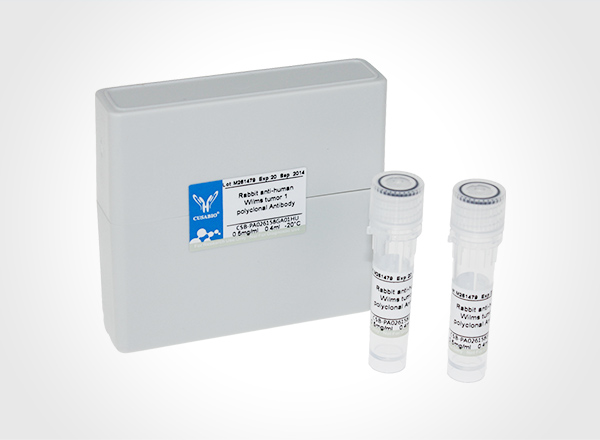
Recombinant Human Phospholipase A2 protein (23-148AA)
Immunogen Species
Homo sapiens (Human)
Conjugate
Non-conjugated
Clonality
Polyclonal
Isotype
IgG
Purification Method
Antigen Affinity Purified
Concentration
It differs from different batches. Please contact us to confirm it.
Buffer
PBS with 0.02% sodium azide, 50% glycerol, pH7.3.
Form
Liquid
Note: We will preferentially ship the format that we have in stock, however, if you have any special requirement for the format, please remark your requirement when placing the order, we will prepare according to your demand.
Upon receipt, store at -20°C or -80°C. Avoid repeated freeze.
Lead Time
Basically, we can dispatch the products out in 1-3 working days after receiving your orders. Delivery time maybe differs from different purchasing way or location, please kindly consult your local distributors for specific delivery time.
Note: All of our proteins are default shipped with normal blue ice packs, if you request to ship with dry ice, please communicate with us in advance and extra fees will be charged.
Usage
For Research Use Only. Not for use in diagnostic or therapeutic procedures.
Secretory calcium-dependent phospholipase A2 that primarily targets dietary phospholipids in the intestinal tract. Hydrolyzes the ester bond of the fatty acyl group attached at sn-2 position of phospholipids (phospholipase A2 activity) with preference for phosphatidylethanolamines and phosphatidylglycerols over phosphatidylcholines. May play a role in the biosynthesis of N-acyl ethanolamines that regulate energy metabolism and inflammation in the intestinal tract. Hydrolyzes N-acyl phosphatidylethanolamines to N-acyl lysophosphatidylethanolamines, which are further cleaved by a lysophospholipase D to release N-acyl ethanolamines. May act in an autocrine and paracrine manner. Upon binding to the PLA2R1 receptor can regulate podocyte survival and glomerular homeostasis. Has anti-helminth activity in a process regulated by gut microbiota. Upon helminth infection of intestinal epithelia, directly affects phosphatidylethanolamine contents in the membrane of helminth larvae, likely controlling an array of phospholipid-mediated cellular processes such as membrane fusion and cell division while providing for better immune recognition, ultimately reducing larvae integrity and infectivity.
Gene References into Functions
sPLA2-IB was correlated with the level of proteinuria in membranous nephropathy patients suggesting to be a potential biomarker for monitoring disease severity and therapeutic effects of both primary membranous nephropathy and secondary membranous nephropathy.PMID:29649452
The sPLA2 IB-PLA2R interaction stimulated podocyte apoptosis through activating ERK1/2 and cPLA2alpha and through increasing the podocyte AA contentPMID:25335547
TNF-alpha-induced cPLA2 expression and PGE2 release were mediated through a Jak2/PDGFR/PI3K/Akt/p42/p44 MAPK/Elk-1 pathway in human lung epithelial cells.PMID:24441870
Exogenously added sPLA(2)-IB decreases phagocytosis of photoreceptor outer segments regardless of enzymatic activity.PMID:22680611
stimulation of three isoforms of PLA2 by thapsigargin liberates free AA that, in turn, induces capacitative calcium influx in human T-cellsPMID:12423354
results indicate a selective sorting of a cell-derived cPLA2 during human cytomegalovirus maturation, which is further required for infectivityPMID:15220446
Group IB phospholipase A2 (PLA2G1B) stimulates leukotriene B4 (LTB4) production in the absence of cytochalasin B in human neutrophils.PMID:16005851
Here, we report sPLA2-IB in rat and human brain as well as in neurons in primary culture. The distribution of sPLA2-IB seems to be mainly neuronal, with the highest abundance occurring in the cerebral cortex and hippocampus.PMID:16392040
a critical regulatory role of arachidonate reacylation that limits leukotriene biosynthesis in concert with 5-lipoxygenase and cytosolic phospholipase A(2)alpha activationPMID:16495221
Results describe the structural basis for bile salt inhibition of pancreatic phospholipase A2.PMID:17434532
MMP-2/9 production is regulated by sPLA2-IB acting as a receptor ligand to activate cPLA2PMID:17981679
pro-hG1B forms a trimer and PROP occupies the catalytic cavity and can be self-cleaved at 37 degrees C; A new membrane-bound surface and activation mechanism are proposed based on the trimeric model of pro-hG1BPMID:19297324
Show
More
Hide
All
Subcellular Location
Secreted. Note=Secreted from pancreatic acinar cells in its inactive form.
Protein Families
Phospholipase A2 family
Tissue Specificity
Selectively expressed in pancreas, lung, liver and kidney. Also detected at lower levels in ovary and testis.