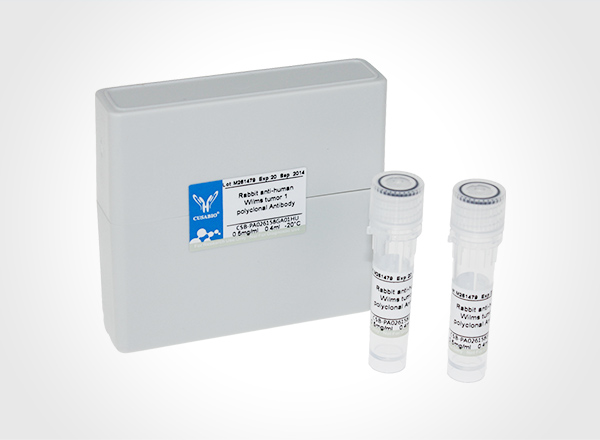
Recombinant Human Glutamate receptor ionotropic, NMDA 3B protein (180-410AA)
Immunogen Species
Homo sapiens (Human)
Conjugate
Non-conjugated
Clonality
Polyclonal
Isotype
IgG
Purification Method
Antigen Affinity Purified
Concentration
It differs from different batches. Please contact us to confirm it.
Buffer
PBS with 0.02% sodium azide, 50% glycerol, pH7.3.
Form
Liquid
Note: We will preferentially ship the format that we have in stock, however, if you have any special requirement for the format, please remark your requirement when placing the order, we will prepare according to your demand.
Upon receipt, store at -20°C or -80°C. Avoid repeated freeze.
Lead Time
Basically, we can dispatch the products out in 1-3 working days after receiving your orders. Delivery time maybe differs from different purchasing way or location, please kindly consult your local distributors for specific delivery time.
Note: All of our proteins are default shipped with normal blue ice packs, if you request to ship with dry ice, please communicate with us in advance and extra fees will be charged.
Usage
For Research Use Only. Not for use in diagnostic or therapeutic procedures.
NMDA receptor subtype of glutamate-gated ion channels with reduced single-channel conductance, low calcium permeability and low voltage-dependent sensitivity to magnesium. Mediated by glycine.
Gene References into Functions
GRIN3B missense mutation is an inherited risk factor for schizophrenia.PMID:28132660
Authors investigated the significance of a common human genetic variation of the NMDAR NR3B subunitPMID:25768306
Rs2240158 of GRIN3B was significantly associated with mismatch negativity in healthy subjects.PMID:24814139
our findings suggest that the over-expression of NR3B subunit of NMDA receptor is a long lasting result of chronic opioid abuse.PMID:20153313
These observations suggest that the genetic variation of the NR3B subunit of the NMDA receptor is not a risk factor for Alzheimer's dis pathogenesisPMID:20016182
NR3B mRNA expression in the human hippocampal formation (CA1-CA4 and dentate gyrus) and adjacent neocortex may have implications for understanding the role of NMDA receptors for physiological and pathological processes in these forebrain regions.PMID:15722182
cross-talk between NR3B and NR4A receptors is a mechanism modulating the transcriptional activities of these orphan nuclear receptorsPMID:17543277
We tested whether genetic dysfunction of GRIN3B is implicated in the pathogenesis of amyotrophic lateral sclerosis (ALS).PMID:17687115