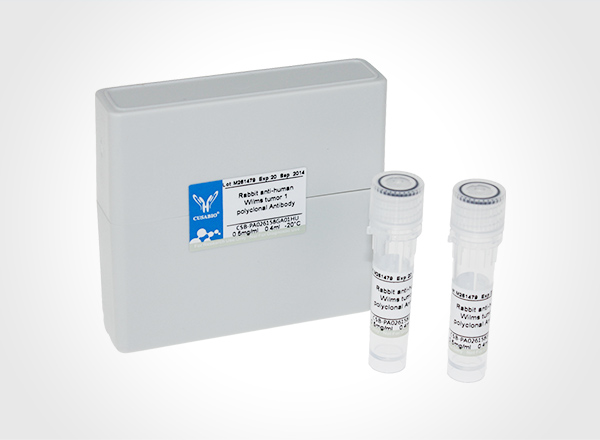
Liquid
Note: We will preferentially ship the format that we have in stock, however, if you have any special requirement for the format, please remark your requirement when placing the order, we will prepare according to your demand.
Upon receipt, store at -20°C or -80°C. Avoid repeated freeze.
Lead Time
Basically, we can dispatch the products out in 1-3 working days after receiving your orders. Delivery time maybe differs from different purchasing way or location, please kindly consult your local distributors for specific delivery time.
Note: All of our proteins are default shipped with normal blue ice packs, if you request to ship with dry ice, please communicate with us in advance and extra fees will be charged.
Usage
For Research Use Only. Not for use in diagnostic or therapeutic procedures.
Proton-sensing G-protein coupled receptor couples to multiple intracellular signaling pathways, including GNAS/cAMP, GNAQ/phospholipase C (PLC), and GNA12/GNA13/Rho pathways. Acidosis-induced GPR4 activation increases paracellular gap formation and permeability of vascular endothelial cells through the GNA12/GNA13/Rho GTPase signaling pathway. In the brain may mediate central respiratory sensitivity to CO(2)H(+).
Gene References into Functions
Proton-sensing GPR4 signaling mediated the proton-induced inhibitory effects on the osteogenesis of BMSCs. YAP was the downstream effector of GPR4 signaling. Extracellular pH modulates the osteogenic responses of BMSCs by regulating the proton-sensing GPR4-YAP pathway.PMID:27256071
These results suggest that zOGR1, but not GPR4, is also a metal-sensing G-protein-coupled receptor in addition to a proton-sensing G-protein-coupled receptor, although not all metals that activate hOGR1 activated zOGR1.PMID:28270026
GPR4 blockade attenuated renal injury after IR and reduced the cell apoptosis through the suppression of CHOP expression.PMID:29089376
acidosis/GPR4-induced endoplasmic reticulum stress pathways in endothelial cells may regulate vascular growth and inflammatory response in the acidic microenvironment.PMID:28134810
it was demonstrated that GPR4 affects ECs by regulating Notch1, a function that may be important for physiological and pathological angiogenesis.PMID:27279286
GPR4 induces angiogenesis via GPR4-induced p38-mediated IL6, IL8 and VEGFA secretion at acidic extracellular pH in squamous cell carcinoma of the head and neckPMID:27078157
The results suggested that GPR4 may play an important role in the development of epithelial ovarian carcinoma (EOC), and its overexpression might be required for the angiogenesis, tumor growth, and metastasis of EOCPMID:23888957
acidosis/GPR4 signaling regulates endothelial cell adhesion mainly through the G(s)/cAMP/Epac pathwayPMID:22110680
The mutation of histidine residue at 79, 165, or 269 from the N-terminal of GPR4 to phenylalanine shifted the half-maximal effective concentration (EC(50)) of proton-induced signaling activities to the right, including cAMP accumulation.PMID:20211729
Endogenous GPR4 in endothelial cells may be a potential G protein-coupled receptor by which LPC signals proinflammatory activities.PMID:12805023
GPR4, a close relative of OGR1, also responds to pH changes, but elicits cyclic AMP formationPMID:12955148
sphingosylphosphorylcholine and lysophosphatidic acid are not the ligands for GPR4 and that this receptor may constitutively inhibit ERK1/2 activationPMID:14567679
GPR4 and TDAG8 overexpression in human tumors plays a role in driving or maintaining tumor formationPMID:15221007
results identify sphingosylphosphorylcholine and its receptor, G protein-coupled receptor 4(GPR4), as critical regulators of the angiogenic potential of endothelial cellsPMID:15857892
GPR4 may play a critical role in the inflammatory responses activated by lysophosphatidylcholinePMID:16461426
GPR4 in brain endothelial cells regulates monocyte transmigration.PMID:17364894
lysophosphatidylcholine receptor G protein-coupled receptor 4 (GPK4) was expressed in YPEN-1 cells and triggered the cAMP/protein kinase A/cAMP response element-binding protein pathway, resulting in upregulation of adhesion molecules.PMID:17437524
Previously postulated "ligand-independent" signaling of GPR4 is mediated through proton-sensing mechanisms.PMID:17462861