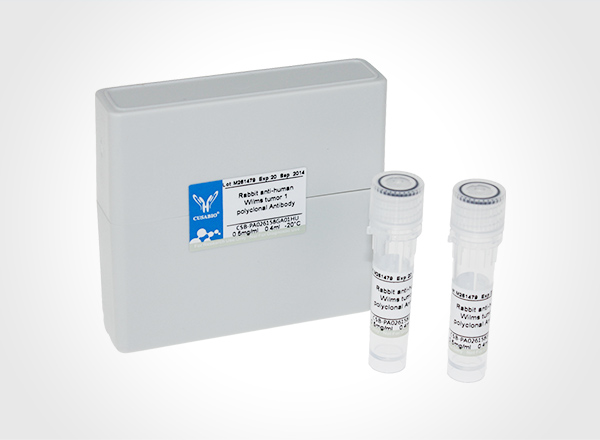
Upon receipt, store at -20°C or -80°C. Avoid repeated freeze.
Lead Time
Basically, we can dispatch the products out in 1-3 working days after receiving your orders. Delivery time maybe differs from different purchasing way or location, please kindly consult your local distributors for specific delivery time.
Note: All of our proteins are default shipped with normal blue ice packs, if you request to ship with dry ice, please communicate with us in advance and extra fees will be charged.
Usage
For Research Use Only. Not for use in diagnostic or therapeutic procedures.
Fatty acid synthetase is a multifunctional enzyme that catalyzes the de novo biosynthesis of long-chain saturated fatty acids starting from acetyl-CoA and malonyl-CoA in the presence of NADPH. This multifunctional protein contains 7 catalytic activities and a site for the binding of the prosthetic group 4'-phosphopantetheine of the acyl carrier protein ([ACP]) domain.
Gene References into Functions
Evaluation of FAS/FASL polymorphisms can predict lack of response to BCG immunotherapy and prevent the loss of valuable time before such alternative treatments as early cystectomy are initiated.PMID:29453645
FASN-induced S6 kinase facilitates USP11-eIF4B complex formation for sustained oncogenic translation in diffuse large B-cell lymphoma.PMID:29483509
HIV-1 infection increases intracellular levels of fatty acid synthase (FASN). Despite the requirement of FASN for nascent virion production, FASN activity was not required for intracellular Gag protein production, indicating that FASN dependent de novo fatty acid biosynthesis contributes to a late step of HIV-1 replicationPMID:28962653
Findings showed that FASN is upregulated in colorectal cancer cell lines that overexpress PGC-1alpha and indicated that FASN expression may enhance cancer cell proliferation by regulating antioxidant enzyme production and resistance to ROS-induced apoptosis. Further data provided evidence that FASN expression was regulated indirectly by PGC-1alpha.PMID:29130104
Repression of FAS mRNA expression is the consequence of feedback inhibition of FAS expression by long chain fatty acyl-CoAs, which are formed by FACL3 during its upregulation by vitamin D3 in prostate cancer cells.PMID:15556626
analysis of the expression of fatty acid synthase, Ki-67 and p53 in squamous cell carcinomas of the larynxPMID:18949744
Fatty acid synthase (FASN) mRNA and protein overexpression were associated with unfavorable clinicopathologic factors and poor outcomes.PMID:28442505
KRAS is associated with activation of ERK2, induction of FASN, and promotion of lipogenesis.PMID:28400509
The study has shown that the high frequency of FASN expression in intraepithelial neoplasia (hPIN)and cancer and no expression in most structures of benign hyperplasia make it possible to use this protein as an additional marker in the differential diagnosis of prostatic neoplasms.PMID:28418352
FASN inhibition/knockdown significantly increased the susceptibility of cisplatin-resistant cells to NK cell cytotoxicity.PMID:29306075
FASN has a role in leucine deprivation-inhibited proliferation and apoptosis of human breast cancer cellsPMID:27579768
HER2-FASN lipogenic axis delineates a group of breast cancer patients that might benefit from treatment with therapeutic regimens containing FASN inhibitorsPMID:27714708
FASN expression is down-regulated by miR-15a and miR-16-1 in breast cancer cells, regulating cell proliferation.PMID:27713175
These findings implicate Spot14 as a direct protein enhancer of FASN catalysis in the mammary gland during lactation when maximal MCFA production is needed.PMID:24771867
High FASN expression is associated with prostate cancer growth.PMID:26934656
We show that elevated levels of PPARG strongly correlate with elevation of FASN in human prostate cancer (CaP) and that high levels of PPARG/FASN and PI3K/pAKT pathway activation confer a poor prognosis.These data suggest that CaP patients could be stratified in terms of PPARG/FASN and PTEN levels to identify patients with aggressive CaP who may respond favorably to PPARG/FASN inhibition.PMID:27357679
High FASN expression is associated with meningioma and schwannoma.PMID:28729415
our findings show that microRNA-195 inhibits pancreatic cancer cell proliferation and invasion by regulating the fatty acid synthase/Wnt signaling pathway, suggesting a tumor suppressive role for microRNA-195 in the development and progression of pancreatic cancer. Thus, inhibiting fatty acid synthase by microRNA-195 may serve as a novel therapeutic approach for the treatment of pancreatic cancer.PMID:28639885
Inhibition of FASN can decrease the levels of IGFBP1, and the expression, activity, and ubiquitination of HIF-1alpha. Inhibition of FASN can suppress migration, invasion and healing of hepatoma carcinoma cells by decreasing HIF-1alpha, and IGFBP1.PMID:28197637
The involvement of SREBP-1c and ChREBP in FASN promoter histone modification.Histone acetylation affects FASN transcription by influencing ChREBP-binding carbohydrate-responsive elements.PMID:28027934
Fatty acid synthase (FASN) inhibitors reduce proliferation and promote apoptosis in high FASN producers lymphatic endothelial cells (HDLEC) cells.PMID:27918556
MACC1 and FASN are positively correlated and responsible for the poor prognoses in gastric cancer patients.FASN role in gastric cancer resistance to oxaliplatin.PMID:28339092
Fatty acid synthase fine-tunes the cell's response to stress and injury by remodeling cellular O-GlcNAcylationPMID:28232487
Uterine leiomyomata risk was positively associated with FASN AA genotype of SNP rs4247357 among the 7% of African American women with >40% European ancestry.PMID:27375065
DNA methylation in HIF3A shares moderate correlation between adipose tissue and blood, and both are associated with BMI. In contrast, methylation in FASN is poorly correlated across tissues, but the DNA methylation in adipose tissue but not blood is highly associated with BMIPMID:26891033
the present study provided evidence that miR320 may directly target fatty acid synthase. These results suggest that miR320 may serve as a therapeutic biomarker of NSCLC in the future.PMID:27277534
increased expression of NF-YA may promote a malignant phenotype in OS cells via modulation of FASN expression.PMID:27840951
Results suggest investigation of combined fatty acid synthase (FASN) inhibition and taxane treatment as a therapy for a variety of cancers.PMID:28159572
our study suggests that miR12075p/FASN plays an important role in hepatocellular carcinomaPMID:27461404
Our observations suggest a physiological role of placental FASN in human pregnancy. Future studies will clarify whether circulating FASN of placental origin does actually regulate placental and fetal growthPMID:27090298
Results suggest that FASN plays a pivotal role in glioma neovascularization, and inhibition of FASN may be a potential target for anti-angiogenic therapy for glioma.PMID:27601165
The role of FASN in breast cancer [review]PMID:26951539
FASN, ErbB2-high-expressing SK-BR-3 cells displayed higher levels of glycolysis and migration than FASN, ErbB2-low-expressing MCF7 cells.PMID:26936618
S-nitrosylation of FAS at normal physiological levels of NO increases its activity through dimerization and may contribute to the proper regulation of adipogenesisPMID:26851298
concluded that EGFR can be activated intracellularly by FASN-dependent palmitoylationPMID:26378037
Our results suggest that FASN upregulation and PTEN downregualtion may be involved in peritoneal dissemination for gastric cancer progression.PMID:26514456
Data suggest that thioesterase 2 (TE2) catalytic domain of FASN exhibits novel capping domain insert within the alpha/beta hydrolase core; TE2 (as opposed to TE1 domain) readily releases short chain fatty acids from full-length FASN during turnover.PMID:26663084
data demonstrate that selective and potent FASN inhibition with TVB-3166 leads to selective death of tumor cells, without significant effect on normal cells, and inhibits in vivo xenograft tumor growth at well-tolerated doses.PMID:26425687
Results showed correlated FASN regulation relative to key signaling genes with tumor invasion and differentiation in primary retinoblastoma (RB) tissues. Its silencing exerted definite anti-cancer effects in RB cells through PI3K/AKT signaling pathway.PMID:25958981
Findings indicate that overexpression of FASN plays a crucial role in maintaining energy homeostasis in CRC via increased oxidation of endogenously synthesized lipids.PMID:25970773
TG levels are regulated by HCBP6-sterol regulatory element binding protein 1c (SREBP1c)-mediated fatty acid synthase (FASN) expression.PMID:25855506
Loss of fatty acid synthase suppresses the malignant phenotype of colorectal cancer cells by down-regulating energy metabolism and mTOR signaling pathway.PMID:26109148
In the present study it was determined whether three key enzymes for glycolysis, glutaminolysis and de novo synthesis of FAs, hexokinase-2, glutaminase and fatty acid synthasePMID:26134042
FASN and HER2 have roles in breast cancer and are blocked by EGCG with pertuzumab or temsirolimusPMID:26107737
Overall, no SNPs were associated with any known aggressiveness indicators. FASN staining intensity was stronger in malignant than in benign tissue, and NADT was associated with decreased FASN staining in both benign and malignant tissuePMID:25868764
The results suggested that differential levels of P-glycoprotein, Caveolin-1 and Fatty acid synthase except CYP450 play a major role in acquired resistant phenotype in bladder cancer.PMID:26025399
FASN inhibition induced apoptosis in chemosensitive and platinum-resistant ovarian cancer cells and may reverse cisplatin resistance.PMID:25947066
These results for the first time indicated that a cross talk in FASN and HER2 expressions might be associated with prognosis in malignant ovarian cancer.PMID:25433947
The results reveal that the cytotoxic effects of FASN inhibitors in sensitive lines may be due to the robust depletion of oncogenic signaling lipids, such as diacylglycerols and the elevation of tumor-suppressing ceramides.PMID:25871544
Show
More
Hide
All
Subcellular Location
Cytoplasm. Melanosome. Note=Identified by mass spectrometry in melanosome fractions from stage I to stage IV.
Tissue Specificity
Ubiquitous. Prominent expression in brain, lung, liver and mammary gland.