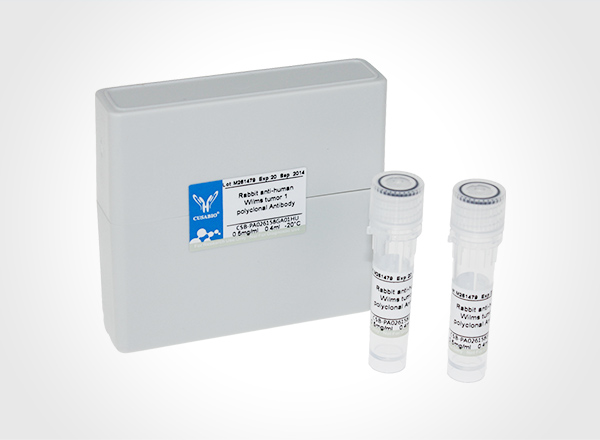
Upon receipt, store at -20°C or -80°C. Avoid repeated freeze.
Lead Time
Basically, we can dispatch the products out in 1-3 working days after receiving your orders. Delivery time maybe differs from different purchasing way or location, please kindly consult your local distributors for specific delivery time.
Note: All of our proteins are default shipped with normal blue ice packs, if you request to ship with dry ice, please communicate with us in advance and extra fees will be charged.
Usage
For Research Use Only. Not for use in diagnostic or therapeutic procedures.
Prolyl hydroxylase that mediates hydroxylation of proline residues in target proteins, such as ATF4, IKBKB, CEP192 and HIF1A. Target proteins are preferentially recognized via a LXXLAP motif. Cellular oxygen sensor that catalyzes, under normoxic conditions, the post-translational formation of 4-hydroxyproline in hypoxia-inducible factor (HIF) alpha proteins. Hydroxylates a specific proline found in each of the oxygen-dependent degradation (ODD) domains (N-terminal, NODD, and C-terminal, CODD) of HIF1A. Also hydroxylates HIF2A. Has a preference for the CODD site for both HIF1A and HIF2A. Hydroxylated HIFs are then targeted for proteasomal degradation via the von Hippel-Lindau ubiquitination complex. Under hypoxic conditions, the hydroxylation reaction is attenuated allowing HIFs to escape degradation resulting in their translocation to the nucleus, heterodimerization with HIF1B, and increased expression of hypoxy-inducible genes. EGLN2 is involved in regulating hypoxia tolerance and apoptosis in cardiac and skeletal muscle. Also regulates susceptibility to normoxic oxidative neuronal death. Links oxygen sensing to cell cycle and primary cilia formation by hydroxylating the critical centrosome component CEP192 which promotes its ubiquitination and subsequent proteasomal degradation. Hydroxylates IKBKB, mediating NF-kappa-B activation in hypoxic conditions. Also mediates hydroxylation of ATF4, leading to decreased protein stability of ATF4.
Gene References into Functions
4-bp Insertion/deletion Polymorphism within the Promoter of EGLN2 is associated with breast cancer.PMID:29693343
Our study provided initial evidence that the insertion/deletion polymorphism rs10680577 may play a functional role in the development of CRC in the Chinese populationPMID:28218358
In advanced-stage Hodgkin's Lymphoma patients strong cytoplasmic PHD1 expression in Reed-Sternberg cells was associated with poor relapse-free survival among patients treated with involved-field radiotherapy and advanced-stage patients treated with doxorubicin, bleomycin, vinblastine and darcabazine and involved-field radiotherapy.PMID:29277791
This study provides new information relating to the possible mechanism of therapeutic action of hydroxylase inhibitors that has been reported in pre-clinical models of intestinal and hepatic disease.PMID:27130823
PHD1 is phosphorylated by CDK2, CDK4 and CDK6 at Serine 130.PMID:26644182
siRNA-mediated knockdown of PHD1 inhibited glucose-stimulated insulin secretion in pancreatic Beta cells.PMID:26997627
EglN2 associates with the NRF1-PGC1alpha complex and controls mitochondrial function in breast cancerPMID:26492917
rs3733829 in the EGLN2 gene is significantly associated with the risk of COPD in Chinese populations of Hainan province.PMID:25609945
study conducted to investigate the association between gastric cancer (GC) susceptibility with a 4-bp insertion/deletion polymorphism (rs10680577) in the proximal promoter of EGLN2; findings showed that the heterozygote and the homozygote 4-bp del/del confer a significantly increased risk of GCPMID:24517638
Data indicate that the prolyl hydrolase 1 (PHD1) rs10680577 polymorphism is associated with the risk of non-small cell lung cancer in a Chinese population.PMID:24894671
PHD-1 played an important role in hypoxic response pathway of trophoblast through modulating the level of HIF-2alpha.PMID:24644426
PHD1 could induce cell cycle arrest in lung cancer cells, resulting in the suppression of cell proliferation.PMID:24935227
Results show that variants in two adjacent genes, EGLN2 and CYP2A6, influence smoking behavior related to disease risk.PMID:24045616
Onconeuronal antigen Cdr2 correlates with HIF prolyl-4-hydroxylase PHD1 and worse prognosis in renal cell carcinoma.PMID:23531419
Findings provided strong evidence for the hypothesis that rs10680577 contributes to hepatocarcinogenesis, possibly by affecting RERT-lncRNA structure and subsequently EGLN2 expression.PMID:23026137
miR-205 serves a protective role against both oxidative and endoplasmic reticulum stresses via the suppression of EGLN2 and subsequent decrease in intracellular reactive oxygen species.PMID:22859986
Principal component analysis of the covariance matrix of free AIRE-PHD1 highlights the presence of a "flapping" movement, which is blocked in an open conformation upon binding to H3K4me0.PMID:23077531
PHD1 expression correlated with high proliferation, and these tumors were mainly estrogen receptor-negative.PMID:21877141
Coexistence of PHD1 stabilized ATF4, as opposed to the destabilization of ATF4 by PHD3.PMID:21951999
human prolyl hydroxylase might play an important role in determining the physiology and structure of the corpora lutea during the menstrual cycle and early pregnancyPMID:20840881
role for PHD1 as a positive regulator of intestinal epithelial cell apoptosis in the inflamed colonPMID:20600011
Prolyl hydroxylase-dependent (but hypoxia inducible factor HIF-1alpha and -2alpha-independent) activation of hypoxia-induced monocyte-endothelial adhesion assigns a new function to monocytic ICAM-1 under acute hypoxic conditions.PMID:20574001
identified a human homolog of Caenorhabditis elegans Egl9 as a HIF prolyl hydroxylasePMID:12351678
effect of WT or mutated VHL on PHD 1, 2, and 3PMID:15156561
defines the existence of two species of PHD1 and provide evidence that they are generated by alternative translational initiationPMID:16509823
Understanding the mechanisms by which nickel can inhibit HIF-PHD's and stabilize HIF-1alpha may be important in the treatment of cancer and ischemic diseases.PMID:16649251
Multiple mitochondrial products, including tricarboxylic acid intermediates and reactive oxygen species, can coordinate PHD activity, HIF stabilization, and cellular responses to O(2) depletion.PMID:17101781
hypoxia releases repression of NFkappaB activity through decreased prolyl hydroxylase-dependent hydroxylation of IKKbetaPMID:17114296
Results describe the expression, purification and characterization of the human prolyl hydroxylase PHD1 in Escherichia coli.PMID:18710826
The identification of EGLN2 as a significantly deregulated gene that maps within the paired chromosome region directly implicates defects in the oxygen-sensing network to the biology of renal oncocytoma.PMID:18773095
Overexpression of the oxygen sensor PHD-1 is associated with tumor aggressiveness in pancreatic endocrine tumors.PMID:18927305
Authors identify an interaction between melanoma antigen-11 (MAGE-11) cancer-testis antigen and the major HIF-alpha hydroxylating enzyme PHD2.PMID:19147576
Prolyl hydroxylase inhibitor reduced mitochondrial cytochrome c release, nuclear translocation of apoptosis inducing factor (AIF), and promoted Akt phosphorylationPMID:19229863
Show
More
Hide
All
Subcellular Location
Nucleus.
Tissue Specificity
Expressed in adult and fetal heart, brain, liver, lung, skeletal muscle, and kidney. Also expressed in testis and placenta. Highest levels in adult brain, placenta, lung, kidney, and testis. Expressed in hormone responsive tissues, including normal and ca