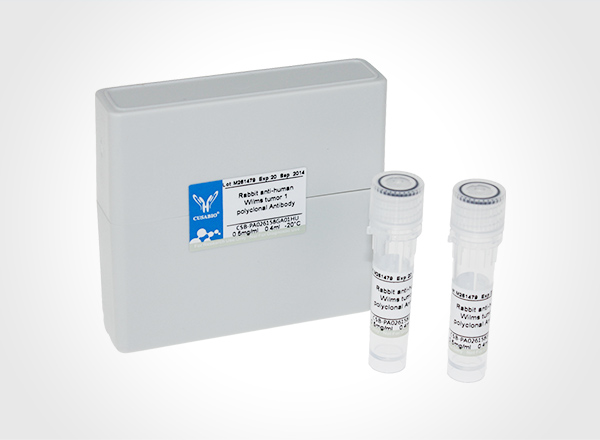
Upon receipt, store at -20°C or -80°C. Avoid repeated freeze.
Lead Time
Basically, we can dispatch the products out in 1-3 working days after receiving your orders. Delivery time maybe differs from different purchasing way or location, please kindly consult your local distributors for specific delivery time.
Note: All of our proteins are default shipped with normal blue ice packs, if you request to ship with dry ice, please communicate with us in advance and extra fees will be charged.
Usage
For Research Use Only. Not for use in diagnostic or therapeutic procedures.
Sialic-acid-binding immunoglobulin-like lectin (Siglec) that plays a role in mediating cell-cell interactions and in maintaining immune cells in a resting state. Preferentially recognizes and binds alpha-2,3- and more avidly alpha-2,6-linked sialic acid-bearing glycans. Upon engagement of ligands such as C1q or syalylated glycoproteins, two immunoreceptor tyrosine-based inhibitory motifs (ITIMs) located in CD33 cytoplasmic tail are phosphorylated by Src-like kinases such as LCK. These phosphorylations provide docking sites for the recruitment and activation of protein-tyrosine phosphatases PTPN6/SHP-1 and PTPN11/SHP-2. In turn, these phosphatases regulate downstream pathways through dephosphorylation of signaling molecules. One of the repressive effect of CD33 on monocyte activation requires phosphoinositide 3-kinase/PI3K.
Gene References into Functions
rs3865444 CD33 acts as a protective factor against late-onset Alzheimer's disease.PMID:28477215
Genetic variations in CD33 influence atrophy of specific Alzheimer's Disease-related brain structures; specifically the hippocampus and parahippocampal gyrus.PMID:26803496
The mean percentage of CD33-positivity of the myeloblast population was 80.5% in acute myeloid leukemia (AML), 81.8% in chronic myelomonocytic leukemia (CMML) and 75% in myelodysplastic syndromes (MDS).PMID:26726757
The 161533 TriKE induced superior NK cell cytotoxicity, degranulation, and cytokine production against CD33(+) HL-60 targets and increased NK survival and proliferation.PMID:26847056
High efficacy of CD33/CD3 TandAbs in various preclinical models of human AML.PMID:27189165
The use of CD33(+)CD11b(+)HLA-DR(-) cells as a predictive and prognostic biomarker.PMID:27178742
Data suggest that two SNPs in CD33 (rs3865444A, rs12459419T) that are protective of Alzheimer disease result in splice variants (CD33M, CD33m); CD33M localizes predominantly at cell surface in macrophage cell line; CD33m is primary intracellular form in neutrophils and a microglia cell line; intracellular CD33m accumulates in peroxisomes; activation of macrophages/neutrophils does not mobilize CD33m to cell surface.PMID:28747436
In cutaneous diffuse large b-cell lymphoma, a considerable proportion of CD33(+) myeloid-derived suppressor cells (MDSCs) with PD-L1 coexpression was admixed. Tumor cells expressed CD33 to variable degrees (2% to 60%). We propose that PD-L1(+) tumor cells and PD-L1(+) MDSCs shield the tumor against PD-1(+) tumor-infiltrating lymphocytes, consequently leading to inhibition and diminution of tumor-infiltrating lymphocytes.PMID:28504999
patients with the CC genotype for rs12459419 have a substantial response to Gemtuzumab Ozogamicin, making this a potential biomarker for the selection of patients with a likelihood of significant response to Gemtuzumab Ozogamicin.PMID:28644774
CD33-expressing microglia play a central role in the development of leukoencephalopathy in Nasu-Hakola disease brainsPMID:26087043
There is substantial evidence that rs3865444 (CD33) function is related to AD pathways and pathology, but our data does not support an interaction with rs670139 (MS4A4E) that impacts AD risk.PMID:26449541
this study investigated the contribution of the immunoregulatory receptor CD33 to a uniquely human postreproductive disease, Alzheimer's dementia.PMID:26621708
the CD33 rs3865444 polymorphism is associated with Alzheimer's disease susceptibility in Chinese, European, and North American populations.PMID:25186233
CD33 and MS4A cluster variants are associated with LOAD susceptibility in East Asian populations.PMID:26455864
Among those with one or more APOE epsilon4 alleles, having one or more copies of the CD33 C (risk) allele may further increase the risk of cognitive declinePMID:26102276
decreased TREM2 expression with CD33 suppression and elevated cortical TREM2 mRNA expression with amyloid pathologyPMID:26414614
we propose a model wherein a modest effect on RNA splicing is sufficient to mediate the CD33 association with AD risk and suggest the potential for an anti-CD33 antibody as an AD-relevant pharmacologic agent.PMID:25762156
Its single-nucleotide polymorphism rs3865444 in the CD33 gene as being associated with the reduced risk of developing Alzheimer's disease.PMID:25448602
87.8% of AMLs express CD33. Additionally, 9.4% of AMLs express CD123 without concomitant CD33 expression.PMID:24927407
This study showed that CD13 and CD33 expression associated with poor prognosis in patients with MM implicating the need of analysis of these markers in MM diagnosis.PMID:24991573
Lectin galactoside-binding soluble 3 binding protein (LGALS3BP) is a tumor-associated immunomodulatory ligand for CD33-related Siglecs.PMID:25320078
The rs3865444(C) risk allele is strongly associated with greater expression of CD33 exon 2 and increased Alzheimer's disease susceptibility. [Meta-analysis]PMID:24381305
Dasatinib enhances migration of monocyte-derived dendritic cells by reducing phosphorylation of inhibitory immune receptors Siglec-9 and Siglec-3.PMID:24882272
This review discusses the recent epidemiological findings of CD33 that relate to Alzheimer's disease and the pathogenic roles played by CD33 in this disease.PMID:23982747
Case Report: indolent T-lymphoblastic proliferation with disseminated multinodal involvement with partial CD33 expression on T cells.PMID:24618611
Data suggest that the CD16xCD33 bispecific killer cell engager (BiKE) functions against both CD33(+) myelodysplastic syndromes (MDS) and myeloid-derived suppressor cells (MDSCs) targets and may be therapeutically beneficial for MDS patients.PMID:24652987
these results suggest a novel model wherein single nucleotide polymorphism-modulated RNA splicing modulates CD33 function and, thereby, Alzheimer disease risk.PMID:23946390
Our data suggest that genetic variations in CD33 could impact clinical outcome of GO-based therapy in pediatric acute myeloid leukemia .PMID:23444229
This study showed that the rs3865444(C) risk allele was associated with greater cell surface expression of CD33 in the monocytes (t50 = 10.06, P(joint) = 1.3 x 10(-13)) of young and older individuals.PMID:23708142
The minor allele of the CD33 SNP rs3865444, which confers protection against Alzheimer disease, was associated with reductions in both CD33 expression and insoluble amyloid beta 42 (Abeta42) levels in AD brain.PMID:23623698
results support the view that single-nucleotide polymorphisms in GOLPH2 and in near gene 5' region of CD33 are significantly associated with sporadic Alzheimer's disease in the north Chinese Han population.PMID:22167654
CD33 is expressed abundantly on immature CD34(+)/CD38(-) stem cells and may serve as a stem cell target in chronic myeloid leukemia.PMID:21993666
data revealed the allele (T) of the rs3865444 polymorphism of the CD33 gene and the allele (C) of the rs610932 polymorphism of the MS4A6A gene may contribute to Alzheimer's disease risk in the Chinese Han populationPMID:22382309
Studies indicate that CD33 is expressed on hepatocytes, which makes them susceptible for targeted CD33 chemotherapy.PMID:21329979
expression and localization of the two CD33 isoforms on several hematopoietic cell linesPMID:21278227
found independent evidence for association for Alzheimer's disease susceptibility loci at EPHA1, CD33 and CD2APPMID:21460840
Common variants at MS4A4/MS4A6E, CD2AP, CD33 and EPHA1 are associated with late-onset Alzheimer's disease.PMID:21460841
Specific induction of CD33 expression by E2A-HLF is associated with acute Lymphoblastic Leukemia.PMID:20147975
Regulation of myeloid cell proliferation and survival by p75/AIRM1 and CD33 surface receptors.PMID:11774609
Sites of serine/threonine phosphorylation by protein kinase C and the effect on its lectin activityPMID:11964282
effectiveness of in vivo ablation of CD33+ cells to treat patients with aacaute myeloid leukemia.PMID:11970770
review of structure, function, expression and clinical applicationPMID:12144127
Expression of CD33 on CD4(+)CD56(+) lineage-negative cells should not exclude the diagnosis of plasmacytoid dendritic cell leukemia.PMID:15388576
Amount of internalization of CD33 following antibody binding for gemtuzumab ozogamicin induced cytotoxicity suggest novel therapeutic approaches for improvement of clinical outcome of leukemia patients.PMID:15454492
incubation of leukemia cells with anti-CD33 mAb and anticancer agents leads to additive antiproliferative effects and enhanced cytotoxicity.PMID:15676214
Expression is rarely decreased in association with chromic myelogenous leukemia.PMID:17662271
The results demonstrate that phosphorylation-dependent ubiquitylation of the immunoreceptor tyrosine-based inhibitory motif (ITIM) of CD33 regulates cell surface expression and internalization of this immunoreceptor.PMID:18062779
CD13 was expressed in 73% of acute myeloid leukemia patients, CD15 was expressed in 43% of patients, CD33 was expressed in 64% of patients, and CD34 was expressed in 66% of patients.PMID:18085638
The species-specific differences in the expression expression of Siglecs in SIV infection was studied.PMID:18331725
Show
More
Hide
All
Subcellular Location
[Isoform CD33M]: Cell membrane; Single-pass type I membrane protein.; [Isoform CD33m]: Peroxisome.
Protein Families
Immunoglobulin superfamily, SIGLEC (sialic acid binding Ig-like lectin) family
Tissue Specificity
Monocytic/myeloid lineage cells. In the brain, CD33 is mainly expressed on microglial cells.