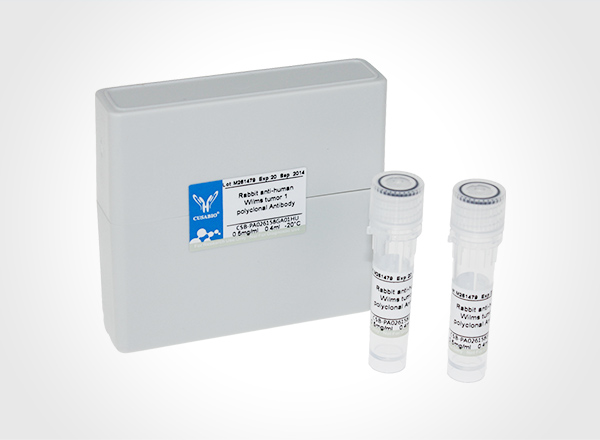
Beta chemokine RANTES antibody; Beta chemokine RANTES precursor antibody; C C motif chemokine 5 antibody; CCL 5 antibody; CCL5 antibody; CCL5_HUMAN antibody; Chemokine (C C motif) ligand 5 antibody; Chemokine CC Motif Ligand 5 antibody; D17S136E antibody; EoCP antibody; Eosinophil chemotactic cytokine antibody; MGC17164 antibody; RANTES(4-68) antibody; Regulated upon activation normally T expressed and presumably secreted antibody; SCYA 5 antibody; SCYA5 antibody; SIS delta antibody; SIS-delta antibody; SISd antibody; Small inducible cytokine A5 (RANTES) antibody; Small inducible cytokine A5 antibody; Small inducible cytokine subfamily A (Cys Cys) member 5 antibody; Small-inducible cytokine A5 antibody; T cell specific protein p288 antibody; T cell specific protein RANTES antibody; T cell specific RANTES protein antibody; T cell-specific protein P228 antibody; T-cell-specific protein RANTES antibody; TCP 228 antibody; TCP228 antibody
Raised in
Rabbit
Species Reactivity
Human,Mouse,Rat
Immunogen
Synthesized peptide derived from the C-terminal region of Human RANTES.
Immunogen Species
Homo sapiens (Human)
Conjugate
Non-conjugated
Isotype
IgG
Purification Method
The antibody was affinity-purified from rabbit antiserum by affinity-chromatography using epitope-specific immunogen.
Concentration
It differs from different batches. Please contact us to confirm it.
Buffer
Liquid in PBS containing 50% glycerol, 0.5% BSA and 0.02% sodium azide.
Form
Liquid
Note: We will preferentially ship the format that we have in stock, however, if you have any special requirement for the format, please remark your requirement when placing the order, we will prepare according to your demand.
Upon receipt, store at -20°C or -80°C. Avoid repeated freeze.
Lead Time
Basically, we can dispatch the products out in 1-3 working days after receiving your orders. Delivery time maybe differs from different purchasing way or location, please kindly consult your local distributors for specific delivery time.
Note: All of our proteins are default shipped with normal blue ice packs, if you request to ship with dry ice, please communicate with us in advance and extra fees will be charged.
Usage
For Research Use Only. Not for use in diagnostic or therapeutic procedures.
Chemoattractant for blood monocytes, memory T-helper cells and eosinophils. Causes the release of histamine from basophils and activates eosinophils. May activate several chemokine receptors including CCR1, CCR3, CCR4 and CCR5. One of the major HIV-suppressive factors produced by CD8+ T-cells. Recombinant RANTES protein induces a dose-dependent inhibition of different strains of HIV-1, HIV-2, and simian immunodeficiency virus (SIV). The processed form RANTES(3-68) acts as a natural chemotaxis inhibitor and is a more potent inhibitor of HIV-1-infection. The second processed form RANTES(4-68) exhibits reduced chemotactic and HIV-suppressive activity compared with RANTES(1-68) and RANTES(3-68) and is generated by an unidentified enzyme associated with monocytes and neutrophils. May also be an agonist of the G protein-coupled receptor GPR75, stimulating inositol trisphosphate production and calcium mobilization through its activation. Together with GPR75, may play a role in neuron survival through activation of a downstream signaling pathway involving the PI3, Akt and MAP kinases. By activating GPR75 may also play a role in insulin secretion by islet cells.
Gene References into Functions
These CCL5 derivatives may now be tested against several inflammation-related pathologies where the CCL5:CCR5 axis plays a relevant role.PMID:29382912
The CCL5 In1.1T/C polymorphism may modulate pulmonary early-onset tuberculosis risk.PMID:29608337
We use CPRC prostate cancer model and demonstrate that endothelial cells secrete large amount of CCL5 and induces autophagy by suppressing AR expression in prostate cancer cell lines. Consequently, elevated autophagy accelerates focal adhesions proteins disassembly and promoted prostate cancer invasion. Inhibition of both CCL5/CCR5 signaling and autophagy significantly reduces metastasis in vivoPMID:30200999
CCL5, from endothelial cells, acts in a paracrine fashion on triple-negative breast cancer (TNBC) cells to enhance their migration, invasion, and metastasis. CCL5, in turn, accelerates TNBC cell secretion of PAI-1 and promotes TNBC cell metastasis, thus forming a positive feedback loop. Moreover, this enhanced metastatic ability is reversible and dependent on CCL5 signaling via the chemokine receptor, CCR5.PMID:28899878
high concentration of plasma CCL5 may promote EMT of breast cancer cells. Plasma CCL5 could be a promised candidate to predict chemotherapy response in NCT of LABC.PMID:29758926
The polymorphism of CCR1 rs3733096 and CCL5 rs3817656 are associated with spontaneous clearance of hepatitis C virus in Chinese Han population.PMID:29703961
Our results suggested that the CCL5 level was influenced collectively not only by the genotypes of -403G>A SNP and bacillary load but also by the treatment. Thus, CCL5 may be considered for the development of a diagnostic marker and also as an indicator of recovery.PMID:29664036
serum levels in active vitiligo significantly elevated compared to those in stable vitiligo patientsPMID:29115683
these findings collectively indicate that TGF-beta regulates CCL5 expression in a stage-dependent manner during breast cancer progressionPMID:29107385
KLF5-regulating cancer-associated fibroblasts affect gastric cancer cells progression by CCL5 secretion and activation of CCR5.PMID:28934010
Data show that plasminogen activator inhibitor-1 (PAI-1) and chemokine CCL5 (CCL5) overexpression promoted cell proliferation and migration in breast cancer cells.PMID:29601121
Among infants with lower CCL5 levels, the Haemophilus-dominant microbiota profile was associated with a higher risk of intensive care use and hospital length-of-stay >/=3 days compared to the Moraxella-dominant profile. Conversely, among those with higher CCL5 levels, there were no significant associations between the microbiota profiles and these severity outcomesPMID:28306146
The current study suggests that TLR3 signaling induces CCL5 expression via NF-kappaB and IRF3 in bile duct cells, and this pathway may be involved in the pathogenesis of BA.PMID:29070776
Study demonstrates that increased CCL5 expression was restricted to human mesenchymal glioblastoma (GBM) and suggests that CCL5 functions in an autocrine growth-promoting circuit, and establish a new receptor responsible for CCL5 function in mesenchymal glioblastoma cells.PMID:28380429
Study showed that bone stromal cells promoted prostate cancer progression through the secretion of CCL5. In vitro co-culture of bone stromal cells with prostate cancer cells induced the expression of CCL5, which promoted prostate cancer cell migration. CCL5 was found to have a key role in the progression of prostate cancer in the bone metastasis microenvironment.PMID:29288523
identifies the essential role of the chemoattractive cytokine CCL5 for liver disease progression and especially hepatocellular carcinoma developmentPMID:28011329
Breast cancer cell CCL5 mediates bone marrow independent angiogenesis via paracrine signaling.PMID:27863423
the present study has demonstrated a novel pathway involving CCl5/CCR1/beta-catenin/Slug, via which human Mesenchymal stem cells promotes colorectal cancer development.PMID:28542126
The present study suggest that TT genotype of CCL5 In1.1T/C (rs2280789) polymorphism play an important role to increased CCL5 expression in T cell which may enhanced Th1 immunity and help in protection against tuberculosisPMID:28336310
CSF levels of RANTES were remarkably high only in active multiple sclerosis patients. RANTES levels were associated with transcranial magnetic stimulation measures of cortical synaptic excitability, but not with long-term potentiation (LTP)-like plasticity.PMID:26733422
we document for the first time that CCL5 induces tumor lymphangiogenesis by the induction of VEGF-C in human cancer cellsPMID:27166194
Our findings indicate that the -403 G/A RANTES (CCL5) promoter gene polymorphism is connected with psoriasis vulgaris disease severity.PMID:27859608
Baseline serum CCL5 levels and decrease of the serum VEGF-A levels may serve as potential predictive markers for survival or treatment-specific toxicities in metastatic colorectal cancer patients receiving regorafenib.PMID:27166185
This meta-analysis suggests that RANTES -403G/A and -28C/G polymorphisms confer possible protection against HIV-1 infection, whereas In1.1T/C polymorphism may increase risk of HIV-1 infection, especially in Asians.PMID:26690919
CCL5 and CXCL11 expression were also induced in response to the activation of the PKC pathway, and gene silencing experiments indicated that their inducible expression was dependent on RIPK4 and IRF6. Moreover, gene reporter assays suggested that RIPK4 induces CCL5 and CXCL11 expression by stimulating the transactivation of their promoters by IRF6.PMID:27014863
Data suggest that inhibition of CCL5 in adipose microenvironment may represent an approach for the therapy of highly malignant Triple Negative Breast Cancer (TNBC).PMID:27027351
RNA-binding protein HuR (HuR) expression negatively correlated with chemokine (CC motif) ligand 5 (CCL5) expression and macrophage appearance in a cohort of breast tumors.PMID:28731284
we have utilized a broad-scaled affinity proteomics approach to identify three proteins (CCL5, HPGDS, and NPSR1) with altered plasma levels in asthmatic children compared to healthy controls, representing the first evaluation of HPGDS and NPSR1 in plasma.PMID:27145233
Data provide evidence that CCL5 enhances the proliferation and the invasive capacity of human breast cancer cell lines mediated by CCR5 activation.PMID:27335323
Cancer-FOXP3 serves as a prognostic biomarker and a crucial determinant of immunosuppressive microenvironment via recruiting Treg cells by directly trans-activating CCL5. Therefore, cancer-FOXP3 could be used to select patients with better response to CCL5/CCR5 blockade immunotherapy.PMID:27991933
data suggest that STAT2 plays a role in the psoriasis pathogenesis by regulating the expression of CXCL11 and CCL5, and thereby attracting IFNgamma-producing immune cells to the skinPMID:28472186
Mean RANTES concentrations in nasal fluid in patients with perennial allergic rhinitis and nonallergic and allergic chronic rhinosinusitis with nasal polyps patients were significantly higher in comparison to control subjects.PMID:28587510
All fatty necrotic and osteolytic jawbone (FDOJ) samples showed high expression of RANTES and fibroblast growth factor (FGF)-2.PMID:28685531
This study showed that RANTES is important in the regulation of vascular dysfunction through modulation of perivascular inflammation.PMID:26873938
These data indicate that ECFCs, not SPCs, are the major players in MMD pathogenesis and that the chemokine CCL5 mediates the interactions. It can be hypothesized that in MMD patients, defective ECFCs direct aberrant SPC recruitment to critical vascular locations through the action of CCL5.PMID:28072843
miR-200c represses IL-6, IL-8 and CCL-5 and improves osteogenic differentiationPMID:27529418
this study shows that melanoma peptides vaccination and intratumoral administration of IFNgamma increases production of CCL5 in patient tumorsPMID:27522581
Findings indicate the importance of chemokine (CC motif) ligand 5 (CCL5) genetic variability and CCL5-CCR5 (CC chemokine receptor 5) axis on the susceptibility to HCV.PMID:27304910
combined experimentally determined binding affinities (KD) of several orthologs of CCL5 with HNP1 with in silico studies to identify the most likely heterodimeric CCL5-HNP1 complex which was subsequently used as a starting structure to rationally design peptidic inhibitorsPMID:26871718
CCL5 plays a pivotal regulatory role in hepatic fibrosis during nonalcoholic fatty liver disease.PMID:27639593
Intermolecular interactions of RANTES with its receptor CCR5 have been reported based on NMR spectroscopy measurements.PMID:28052516
our findings proposed that CCL5 -403G>A polymorphism may be a risk factor for susceptibility TO pulmonary tuberculosisPMID:27668525
IL-17A could enhance the expression of RANTES, but not IL-16, in cultured primary OFs in cooperation with CD40L.PMID:27832278
We also found that the activation of H4R caused the release of IL-13 and RANTES on human mast cells.these data demonstrate that the H4R activates divergent signaling pathways to induce cytokine and chemokine production in human mast cellsPMID:27400655
The chemokine RANTES level could become a useful marker of severity of coronary artery diseasePMID:27226191
Findings show the significant upregulated expression of chemokine CCL5 (RANTES) in plasma, compared to CSF and contused brain tissue following severe traumatic brain injury (TBI).PMID:28340601
There were no associations of CCL5 gene promoter polymorphism with the risk of diabetic microvascular complications (DMI); However, the 59029A polymorphism in CCR5 might affect individual susceptibility for DMI [Meta-Analysis]PMID:27042273
RANTES Gene Polymorphisms are Associated with HIV-1 Infections.PMID:27821902
Through the self-production of CCL5, ovarian cancer stem-like cells are induced to differentiate into endothelial cells and participate in tumor angiogenesis.PMID:27033454
monocytes and lymphocytes cooperate to enhance migration towards CXCR3 chemokines and CCL5 in COPDPMID:26965295
Show
More
Hide
All
Subcellular Location
Secreted.
Protein Families
Intercrine beta (chemokine CC) family
Tissue Specificity
Expressed in the follicular fluid (at protein level). T-cell and macrophage specific.