MLANSSSTNSSVLPCPDYRPTHRLHLVVYSLVLAAGLPLNALALWVFLRALRVHSVVSVY MCNLAASDLLFTLSLPVRLSYYALHHWPFPDLLCQTTGAIFQMNMYGSCIFLMLINVDRY AAIVHPLRLRHLRRPRVARLLCLGVWALILVFAVPAARVHRPSRCRYRDLEVRLCFESFS DELWKGRLLPLVLLAEALGFLLPLAAVVYSSGRVFWTLARPDATQSQRRRKTVRLLLANL VIFLLCFVPYNSTLAVYGLLRSKLVAASVPARDRVRGVLMVMVLLAGANCVLDPLVYYFS AEGFRNTLRGLGTPHRARTSATNGTRAALAQSERSAVTTDATRPDAASQGLLRPSDSHSL SSFTQCPQDSAL
Note: The complete
sequence may include tag sequence, target protein sequence, linker sequence and extra sequence that is
translated with the protein sequence for the purpose(s) of secretion, stability, solubility, etc.
If the exact amino acid sequence of this recombinant protein is critical to your application,
please explicitly request the full and complete sequence of this protein before ordering.
Protein Length
full length protein
Tag Info
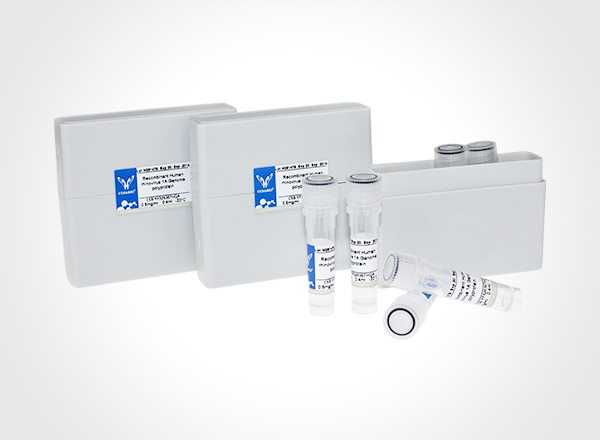
N-terminal 10xHis-tagged
The tag type will be determined during production process. If you have specified tag type, please tell us and we will develop the specified tag preferentially.
Storage Condition
Store at -20°C, for extended storage, conserve at -20°C or -80°C.
Shelf Life
The shelf life is related to many factors, storage state, buffer ingredients, storage temperature and the stability of the protein itself.
Generally, the shelf life of liquid form is 6 months at -20°C/-80°C. The shelf life of lyophilized form is 12 months at -20°C/-80°C.
Notes
Repeated freezing and thawing is not recommended. Store working aliquots at 4°C for up to one week.
Receptor for lysophosphatidic acid (LPA), a mediator of diverse cellular activities.
Gene References into Functions
It signaling may play a key role in the mechanisms underlying neuropathic pain following demyelination in the brain.PMID:29409686
These results suggest that the cell motile activity is regulated through the induction of LPA5 by phorbol ester and anticancer drug treatments in A375cells.PMID:29309788
These results suggest that the diverse roles of LPA4, LPA5 and LPA6 are involved in the activation of tumor progression in pancreatic cancer cells.PMID:25849892
Down-regulation of LPA receptor 5 contributes to aberrant LPA signalling in EBV-associated nasopharyngeal carcinoma.PMID:25294670
MMP-2 and MMP-9 were found in HT1080L5 cells, in comparison with control cells. These results suggest that LPA signaling via LPA5 negatively regulates the cell motile and invasive activities of human sarcoma cells.PMID:24676544
These results suggest that LPA5 may act as a negative regulator of cellular responses in mouse fibroblast 3T3 cells, similar to the case for LPA1.PMID:24632199
It was shown that lysophosphatidic acid 5 receptor transactivated the epidermal growth factor receptor and that inhibition of epidermal growth factor receptor blocked lysophosphatidic acid 5 receptor-dependent activation of NHE3.PMID:21832242
LPA5 is a bona fide LPA receptor on human mast cells responsible for the majority of LPA induced MIP-1beta release.PMID:21464938
LPA4 and LPA5 receptors induce osteoblastic differentiation of human mesenchymal stem cellsPMID:20069565
Data show that CLL cells express LPA receptors LPA(1-5) and VEGF receptors, and the plasma levels of VEGF are elevated in CLL patients.PMID:19860625
GPR92 is proposed as a fifth LPA receptor, LPA5, which likely has distinct physiological functions in view of its expression pattern.PMID:16774927
FPP and NAG play a role in the sensory nervous system through activation of GPR92PMID:18499677
Four residues involved in ligand recognition in LPA(5) were identified as follows: R2.60N mutant abolished receptor activation, whereas H4.64E, R6.62A, and R7.32A greatly reduced receptor activation.PMID:19366702
Show
More
Hide
All
Subcellular Location
Cell membrane; Multi-pass membrane protein.
Protein Families
G-protein coupled receptor 1 family
Tissue Specificity
Not expressed in frontal cortex, basal forebrain, caudate putamen, thalamus, or hippocampus.