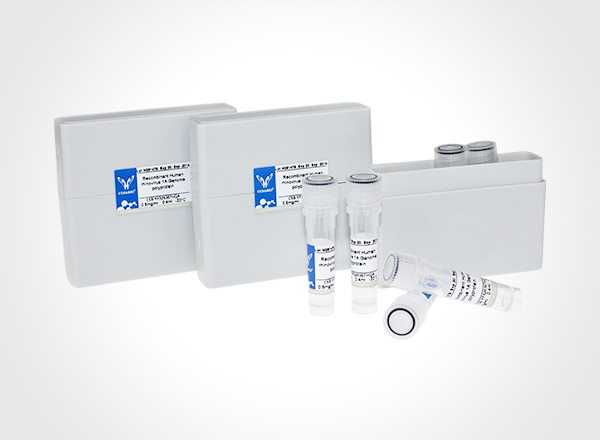
Recombinant Human Hydroxycarboxylic acid receptor 2 (HCAR2)-VLPs

Code: CSB-MP840573HU
Size:
20ug
20ug100ug1mg(1mg*1 or 500ug*2)
Pls inquire
Quantity:
Express system: Mammalian cell
Species: Homo sapiens (Human)
Tag Info: C-terminal 10xHis-tagged
If you have specified tag type, please tell us and we will check if it's possible to develop.
For inquiries on large quantities or another requirements
Send an Inquiry
Start an on-line Chat
Online ordering is currently available for U.S. customers only. For orders outside the U.S., please kindly submit an inquiry or start a chat with us.

Product Details

Target Names
HCAR2
Uniprot NO.
Research Area
Cardiovascular
Species
Homo sapiens (Human)
Source
Mammalian cell
Expression Region
1-363aa
Target Protein Sequence
MNRHHLQDHFLEIDKKNCCVFRDDFIVKVLPPVLGLEFIFGLLGNGLALWIFCFHLKSWKSSRIFLFNLAVADFLLIICLPFLMDNYVRRWDWKFGDIPCRLMLFMLAMNRQGSIIFLTVVAVDRYFRVVHPHHALNKISNRTAAIISCLLWGITIGLTVHLLKKKMPIQNGGANLCSSFSICHTFQWHEAMFLLEFFLPLGIILFCSARIIWSLRQRQMDRHAKIKRAITFIMVVAIVFVICFLPSVVVRIRIFWLLHTSGTQNCEVYRSVDLAFFITLSFTYMNSMLDPVVYYFSSPSFPNFFSTLINRCLQRKMTGEPDNNRSTSVELTGDPNKTRGAPEALMANSGEPWSPSYLGPTSP
Note: The complete sequence may include tag sequence, target protein sequence, linker sequence and extra sequence that is translated with the protein sequence for the purpose(s) of secretion, stability, solubility, etc.
If the exact amino acid sequence of this recombinant protein is critical to your application, please explicitly request the full and complete sequence of this protein before ordering.
Protein Length
Full Length
Tag Info
C-terminal 10xHis-tagged
If you have specified tag type, please tell us and we will check if it's possible to develop.
The tag type will be determined during production process. If you have specified tag type, please tell us and we will develop the specified tag preferentially.
Buffer
Lyophilized from PBS, 6% Trehalose, pH 7.4.
Reconstitution
We recommend that this vial be briefly centrifuged prior to opening to bring the contents to the bottom. Please reconstitute protein indeionized sterile water to a concentration of 0.1-1.0 mg/mL.Aliquot for long-term storage at -80°C. Solubilize for 60 minutes at room temperature with occasional gentle mixing. Avoid vigorous shaking or vortexing.
Troubleshooting and FAQs
Datasheet & COA
Please contact us to get it.

Customer Reviews and Q&A

 Customer Reviews

Target Background

Function(From Uniprot)
Acts as a high affinity receptor for both nicotinic acid (also known as niacin) and (D)-beta-hydroxybutyrate and mediates increased adiponectin secretion and decreased lipolysis through G(i)-protein-mediated inhibition of adenylyl cyclase. This pharmacological effect requires nicotinic acid doses that are much higher than those provided by a normal diet. Mediates nicotinic acid-induced apoptosis in mature neutrophils. Receptor activation by nicotinic acid results in reduced cAMP levels which may affect activity of cAMP-dependent protein kinase A and phosphorylation of target proteins, leading to neutrophil apoptosis. The rank order of potency for the displacement of nicotinic acid binding is 5-methyl pyrazole-3-carboxylic acid = pyridine-3-acetic acid > acifran > 5-methyl nicotinic acid = acipimox >> nicotinuric acid = nicotinamide.
Gene References into Functions
  1. GPR109A may inhibit inflammatory cytokine production, induced by palmitic acid, by MIN6 cells possibly via inhibiting the Akt/mTOR signaling pathway. PMID:29263047
  2. These results demonstrate that GPR109A is functionally expressed in both human and murine islet beta-cells. PMID:27570060
  3. new insights into the G protein coupling profiles of the HCA receptors and the function of the receptor's C terminus PMID:26656756
  4. These results suggest that the PKC pathway and PDGFR/EGFR transactivation pathway play important roles in HCA2-mediated Akt activation. PMID:25375133
  5. Results suggest that the atypical motif asparaging-cysteine-systeine Asn(17)-Cys(18)-Cys(19) is crucial for the normal surface trafficking and function of hydroxycarboxylic acid receptor 2 protein hGPR109A. PMID:25690651
  6. niacin, at a relatively low concentration, preserves the ability of HMVEC to form tubes under conditions of saturated fatty acid excess, and may elicit this effect through activation of GPR109A PMID:25463108
  7. GPR109A expression is upregulated in blood and substantia nigra in Parkinson disease patients. PMID:25329911
  8. The results of this study suggested that GPR109A signaling is associated with T2DM, playing a role in regulation of the inflammatory cytokines. PMID:25361930
  9. the promiscuous activity exerted by niacin via both GPR109A and GPER may open new avenues towards a better understanding of the mechanisms involved in its biological action exerted in different pathophysiological conditions, including malignant diseases. PMID:24662263
  10. Although its functional role is still unknown, HCA2 may be potentially involved in the pathogenesis of various retinopathies and may offer a new therapeutic target. PMID:24215154
  11. GPR109A is a tumor suppressor in mammary gland. PMID:24371223
  12. These studies provide key insights into mechanisms by which GPR109A may influence cholesterol efflux in macrophages. PMID:23770183
  13. despite NA's anti-inflammatory effect on human macrophages, it has no effect on foam cells in reverse cholesterol transport; due to GPR109A down-regulation PMID:23658787
  14. Review of the role of GPR109A and its downstream effects in the context of atherosclerosis and vascular inflammation, along with insights into strategy for future drug development. [Review Article] PMID:23526298
  15. A sequence from residues 329 to 343 in the C-terminal tail of HCA plays a crucial role in keeping HCA in an inactive conformation. PMID:22962331
  16. Nicotnic acid displays a range of effects that are lipoprotein-independent and potentially antiatherogenic. These effects are mediated by GPR109A. PMID:22267479
  17. upon binding to niacin GPR109A receptors initially activate G(i), leading to dissociation of the Gbetagamma subunit from activated G(i), and subsequently induce ERK1/2 activation via two distinct pathways. PMID:21768093
  18. In contrast, in a squamous cell carcinoma derived cell line, both GPR109A and GPR109B show a more diffuse cellular localization and the receptors are nearly non-functional. PMID:21655214
  19. niacin-mediated activation of GP109A in liver lowers ABCA1 expression leading to reduced hepatic cholesterol efflux to high density lipoprotein. PMID:20655299
  20. Observational study of gene-disease association. (HuGE Navigator) PMID:19913121
  21. Observational study of gene-disease association, gene-environment interaction, and pharmacogenomic / toxicogenomic. (HuGE Navigator) PMID:20628086
  22. The agonist-induced internalization of GPR109A receptors is regulated by GRK2 and arrestin3 in a pertussis toxin-sensitive manner and that internalized receptor recycling is independent of endosomal acidification. PMID:20460384
  23. these results demonstrate that GPR109A and GPR109B dimerization is a constitutive process occurring early during biosynthesis. PMID:20380810
  24. Data show that Mk-6892 was discovered as full and potent niacin receptor (GPR109A) agonist. PMID:20184326
  25. HM74b has high similarity to HM74 is a receptor for nicotinic acid [HM74b] PMID:12646212
  26. Our results provided direct evidence indicating that HM74A, but not HM74, was sufficient to mediate anti-lipolytic effect of niacin in adipose tissue. PMID:16018973
  27. However, the synergistic effects of HM74A were not dramatically affected by co-treatment with both inhibitors, indicating the cross-talk occurred at the receptor level. PMID:16674924
  28. neutrophils express functional GPR109A receptors,which might be involved in the regulation of neutrophil numbers PMID:17932499
  29. Data show that the high-affinity niacin receptor HM74A is significantly down-regulated in the anterior cingulate cortex of individuals with schizophrenia. PMID:18639743
  30. Data show that many phenolic acids, including those from the hydroxybenzoic and hydroxycinnamic acid classes, can bind and activate GPR109A (HM74a/PUMA-G), the receptor for the antidyslipidemic agent nicotinic acid. PMID:19136666
  31. GPR109A receptor plays an important role in the dual regulation of adiponectin secretion and lipolysis PMID:19141678
  32. Data show that the coordinated PPARgamma-mediated regulation of the GPR81, GPR109A and GPR109B presents a novel mechanism by which TZDs may reduce circulating free fatty acid levels and perhaps ameliorate insulin resistance in obese patients. PMID:19633298
  33. Observational study of gene-disease association and gene-gene interaction. (HuGE Navigator) PMID:19502010
  34. Observational study of gene-disease association. (HuGE Navigator) PMID:18787507

Show More

Hide All

Subcellular Location
Cell membrane; Multi-pass membrane protein.
Protein Families
G-protein coupled receptor 1 family
Tissue Specificity
Expression largely restricted to adipose tissue and spleen. Expressed on mature neutrophils but not on immature neutrophils or eosinophils.
Database Links

HGNC: 24827

UNIGENE: Hs.524812

KEGG: hsa:338442

STRING: 9606.ENSP00000375066

OMIM: 609163

icon of phone
Call us
301-363-4651 (Available 9 a.m. to 5 p.m. CST from Monday to Friday)
icon of address
Address
No. 269, Shendun 5th Road, Donghu Hi-Tech Development Area, Hubei Province, 430206, P.R.China
icon of social media
Join us with

Subscribe newsletter

Leave a message

* To protect against spam, please pass the CAPTCHA test below.
CAPTCHA verification
© 2007-2025 CUSABIO TECHNOLOGY LLC All rights reserved. 鄂ICP备15011166号-1
Select 0 Products