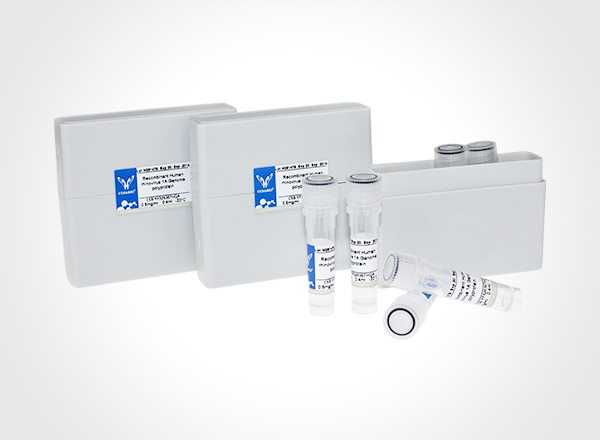
MTVDDPKGMKDQLDQKPNGKTAKGFVSSWRWYPAAVTLGVLCLGLLVTVILLILQLSQVSDLIKKQQANITHQEDILEGQILAQRRSEKSAQESQKELKEMIETLAHKLDEKSKKLMELHRQNLNLQEVLKEAANYSGPCPQDWLWHEENCYQFSSGSFNWEKSQENCLSLDAHLLKINSTDELEFIQQMIAHSSFPFWMGLSMRKPNYSWLWEDGTPLTPHLFRIQGAVSRMYPSGTCAYIQRGTVFAENCILTAFSICQKKANLLRAQ
Note: The complete
sequence may include tag sequence, target protein sequence, linker sequence and extra sequence that is
translated with the protein sequence for the purpose(s) of secretion, stability, solubility, etc.
If the exact amino acid sequence of this recombinant protein is critical to your application,
please explicitly request the full and complete sequence of this protein before ordering.
Protein Length
full length protein
Tag Info
N-terminal 10xHis-tagged
The tag type will be determined during production process. If you have specified tag type, please tell us and we will develop the specified tag preferentially.
Storage Condition
Store at -20°C, for extended storage, conserve at -20°C or -80°C.
Shelf Life
The shelf life is related to many factors, storage state, buffer ingredients, storage temperature and the stability of the protein itself.
Generally, the shelf life of liquid form is 6 months at -20°C/-80°C. The shelf life of lyophilized form is 12 months at -20°C/-80°C.
Notes
Repeated freezing and thawing is not recommended. Store working aliquots at 4°C for up to one week.
Receptor that mediates the recognition, internalization and degradation of oxidatively modified low density lipoprotein (oxLDL) by vascular endothelial cells. OxLDL is a marker of atherosclerosis that induces vascular endothelial cell activation and dysfunction, resulting in pro-inflammatory responses, pro-oxidative conditions and apoptosis. Its association with oxLDL induces the activation of NF-kappa-B through an increased production of intracellular reactive oxygen and a variety of pro-atherogenic cellular responses including a reduction of nitric oxide (NO) release, monocyte adhesion and apoptosis. In addition to binding oxLDL, it acts as a receptor for the HSP70 protein involved in antigen cross-presentation to naive T-cells in dendritic cells, thereby participating in cell-mediated antigen cross-presentation. Also involved in inflammatory process, by acting as a leukocyte-adhesion molecule at the vascular interface in endotoxin-induced inflammation. Also acts as a receptor for advanced glycation end (AGE) products, activated platelets, monocytes, apoptotic cells and both Gram-negative and Gram-positive bacteria.
Gene References into Functions
Endothelial LOX-1 overexpression in an atherosclerosis-prone LDL receptor knockout mice impairs endothelial function, proving its importance in the development of atherosclerosis.PMID:29096854
bta-miR-370 has a negative regulatory effect on the OLR1 gene at both the gene and protein expression levels and has a role in lipid metabolism in bovine adipocytesPMID:28294375
Overexpression of LOX-1 leads to the attenuation of protective autophagy response in aortic endothelial cells.PMID:25703423
These results imply that the 3' UTR SNP of the OLR1 gene is a strong candidate marker for selection in cattle breeding programs.PMID:23910552
Our data indicate that blocking the LOX-1 receptor signal pathway might be a promising way to improve steroid hormone concentrations in metabolically highly active female mammalsPMID:24115745
In the present study, we show that inhibition of LOX-1 leads to a rearrangement of ceramide from the basal membrane toward the Golgi apparatusPMID:24710763
The downregulation of eNOS by ox-low-density lipoprotein, as driven by LOX-1-mediated endoplasmic stress, is associated with the PI3K-Akt-eNOS signaling pathway.PMID:24085225
3'-UTR SNP assoicated with milk composition traits and somatic cell scorePMID:22365237
Disruption of lipid packing of cholesterol-rich membrane domains plays a key role in oxidized low-density lipoprotein (oxLDL)-induced changes in endothelial biomechanics.PMID:20410437
Oxidized low-density lipoprotein receptor (OLR1) single nucleotide polymorphism haplotype is associated with milk fat yield and fat percentagePMID:16606746
synergistic effects of cyclic tensile stretch load and ox-LDL on cell viability and proteoglycan synthesis in chondrocytes, which may be mediated through enhanced expression of LOX-1PMID:16795046
Upregulates VEGF expression in articular cartilage, at least in part, through activation of PPAR-gamma.PMID:16904074
Mediation of electronegative low-density lipoprotein signaling by LOX-1: a possible mechanism of endothelial apoptosis.PMID:19150883
ox-LDL binding to LOX-1 induces stress-induced senescence of chondrocytes and suppression of telomerase activity. Oxidized LDL may play an important role in the pathogenesis of osteoarthritis by inducing chondrocyte senescence.PMID:19790061
Show
More
Hide
All
Subcellular Location
Cell membrane; Lipid-anchor. Cell membrane; Single-pass type II membrane protein. Membrane raft. Secreted.
Tissue Specificity
Highly expressed in endothelial cells, aortic intima and lung. Expressed at low level in other tissues.