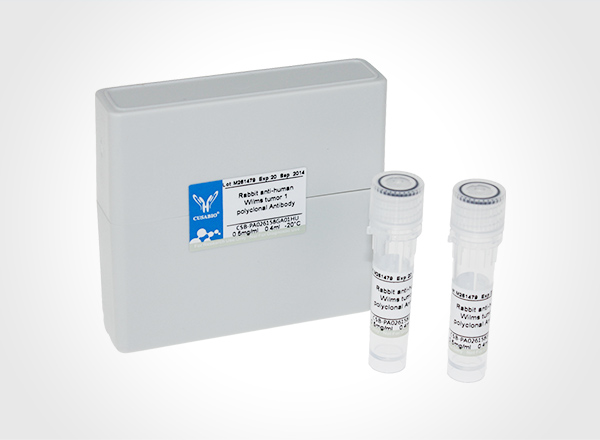
Liquid
Note: We will preferentially ship the format that we have in stock, however, if you have any special requirement for the format, please remark your requirement when placing the order, we will prepare according to your demand.
Upon receipt, store at -20°C or -80°C. Avoid repeated freeze.
Lead Time
Basically, we can dispatch the products out in 1-3 working days after receiving your orders. Delivery time maybe differs from different purchasing way or location, please kindly consult your local distributors for specific delivery time.
Note: All of our proteins are default shipped with normal blue ice packs, if you request to ship with dry ice, please communicate with us in advance and extra fees will be charged.
Usage
For Research Use Only. Not for use in diagnostic or therapeutic procedures.
Mediates, with Gag-Pol polyprotein, the essential events in virion assembly, including binding the plasma membrane, making the protein-protein interactions necessary to create spherical particles, recruiting the viral Env proteins, and packaging the genomic RNA via direct interactions with the RNA packaging sequence (Psi).; Targets the polyprotein to the plasma membrane via a multipartite membrane-binding signal, that includes its myristoylated N-terminus. Matrix protein is part of the pre-integration complex. Implicated in the release from host cell mediated by Vpu. Binds to RNA.; Forms the conical core that encapsulates the genomic RNA-nucleocapsid complex in the virion. Most core are conical, with only 7% tubular. The core is constituted by capsid protein hexamer subunits. The core is disassembled soon after virion entry. Host restriction factors such as monkey TRIM5-alpha or TRIMCyp bind retroviral capsids and cause premature capsid disassembly, leading to blocks in reverse transcription. Capsid restriction by TRIM5 is one of the factors which restricts HIV-1 to the human species. Host PIN1 apparently facilitates the virion uncoating. On the other hand, interactions with PDZD8 or CYPA stabilize the capsid.; Encapsulates and protects viral dimeric unspliced genomic RNA (gRNA). Binds these RNAs through its zinc fingers. Acts as a nucleic acid chaperone which is involved in rearangement of nucleic acid secondary structure during gRNA retrotranscription. Also facilitates template switch leading to recombination. As part of the polyprotein, participates in gRNA dimerization, packaging, tRNA incorporation and virion assembly.; Plays a role in budding of the assembled particle by interacting with the host class E VPS proteins TSG101 and PDCD6IP/AIP1.
Gene References into Functions
these results demonstrate a novel role of the p6 domain in the specificity of Pr55(Gag)-RNA interactions, and strongly suggest that the p6 domain contributes to the discrimination of HIV-1 gRNA from cellular and spliced viral mRNAs, which is necessary for its selective encapsidation.PMID:29954247
High-resolution structures of HIV-1 Gag cleavage mutants determine structural switch for virus maturation.PMID:30217893
Amyloid precursor protein (APP) binds the HIV-1 Gag polyprotein, retains it in lipid rafts and blocks HIV-1 virion production and spread.PMID:29142315
The capsid protein protects HIV-1 complexes from degradation, mediates docking at the nuclear pore before uncoating, and determines the depth of nuclear penetration en route to integration.PMID:29649444
observations indicate that PACSIN2 promotes the cell-to-cell spreading of HIV-1 by connecting Gag to the actin cytoskeleton.PMID:29891700
Increasing CpG dinucleotide contents in gag gene decreases the stability and abundance of intracellular HIV-1 genomic RNA, also reduces Gag expression and virion production.PMID:29121951
Staufen1 is capable of inhibiting NC-induced stress granule assemblyPMID:29127210
The authors show for the first time that HIV-1 Gag self-assembly is responsible for the formation of phosphatidylinositol 4,5-diphosphate lipid nanoclusters, enriched in cholesterol but not in sphingomyelin.PMID:28008947
Data report that p17 is released in an active form by Gag-expressing cells. The secretion of p17 takes place at the plasma membrane and involves the interaction of p17 with PI(4,5)P2. The release of p17 occurs following its cleavage from Pr55Gag by cellular aspartyl proteases.PMID:27905556
The authors propose that HIV-1 genomic RNA is selectively packaged because binding to a cis-acting RNA element called the 'packaging signal' (Psi) nucleates virion assembly with particular efficiency.PMID:28726630
Data show that Gag-protease encounter complexes are primarily mediated by interactions between protease and the globular domains of Gag.PMID:27791180
These results reveal an important role of phosphatidylinositol 4,5-diphosphate for HIV-1 morphogenesis beyond Gag recruitment to the plasma membrane and suggest a dynamic equilibrium of Gag-lipid interactions.PMID:28574338
The authors found that the overexpression of YTHDF proteins in cells inhibited HIV-1 infection mainly by decreasing HIV-1 reverse transcription, while knockdown of YTHDF1-3 in cells had the opposite effects. Moreover, silencing the N(6)-methyladenosine writers decreased HIV-1 Gag protein expression in virus-producing cells, while silencing the N(6)-methyladenosine erasers increased Gag expression.PMID:27371828
Two ribosome recruitment sites direct multiple translation events within HIV1 Gag open reading frame.PMID:28449096
Results indicate that Vpr overcomes the effects of TSG101 overexpression to support viral production by competing with TSG101 to bind Gag.PMID:27648839
In fact, induction of autophagy in lymphatic endothelial cells by HIV-1 p17 promotes lymphangiogenesis, whereas pharmacological and genetic inhibition of autophagy inhibits p17-triggered lymphangiogenesis.PMID:28592537
Specific dimeric viral RNA-Gag interactions are the nucleation event of infectious virion assembly, ensuring that one RNA dimer is packaged into each nascent HIV-1 virion.PMID:28539452
The authors identified Gag residues 483 and 484, located within the Alix-binding motif involved in virus budding, as major contributors to subtype-specific replicative differences.PMID:28424286
It was shown that in subtype C, the duplication of the PTAP motif in p6 Gag involves sequence stretches of greater length, and at a much higher frequency as compared to other HIV-1 subtypes.PMID:28118816
Enhanced Immune Responses against HIV-1 with Adenovector (Gag and Tat) Prime/Protein Boost Regimen and GM-CSF Injection.PMID:27917627
Gag NC domain interacts with the ribosomal protein RPL7 endowed with nucleic acid chaperone activity, favoring the notion that RPL7 could be a Gag helper chaperoning factor possibly contributing to the start of Gag assemblyPMID:27515235
Taken together, these data demonstrate that cytotoxic-T-lymphocyte-driven escape mutations within p24 Gag restricted by protective HLA class I alleles have a significant impact on HIV-1 capsid stability that might contribute to the persistent control of viral replication observed despite viral escape from cytotoxic-T-lymphocyte responses.PMID:27279617
Altogether, these data revealed that targeting of HIV-1 Gag to the virus-containing compartments in macrophages requires the NC domain-dependent multimerization.PMID:27440886
Mutational heterogeneity has been found in p6 Gag late assembly (l) domains in HIV-1 subtype C viruses from South Africa.PMID:26413747
Gag is able to block the assembly of type II noncanonical stress granules to facilitate continued Gag protein synthesis.PMID:27025252
The authors find that HIV-1 nucleocapsid mimics the PDZ domains of syntenin, a membrane-binding adaptor involved in cell-to-cell contact/communication, to capture the Bro1 domain of ALIX, which is an ESCRTs recruiting cellular adaptor.PMID:26962944
These data demonstrate that mutations in the CypA binding site of the capsid resulted in higher capsid stability and hampered infectivity in macrophages.PMID:26414211
These results indicate that HIV-1 capsid is involved in post-nuclear entry steps preceding integration.PMID:27107820
Data indicate that distinct Gag protein binding sites were identified on exposed RNA surfaces corresponding to regions.PMID:26449409
HIV-1 nucleocapsid protein localizes efficiently to the nucleus and nucleolus.PMID:26967976
HIV-1 depends on host-cell-encoded factors to complete its life cycle; data suggest NAF1 (HIV Nef-associated factor 1) promotes nuclear export of un-spliced HIV-1 gag mRNA; association between NAF1 and CRM1 (exportin 1) is required for this function.PMID:26733199
p2 peptide from HIV-1 enhances HIV-1 acute infection by increasing intracellular ATP production via the activation of mitochondrial cytochrome c oxidase (MT-CO) involved in the respiratory chainPMID:26577226
Data suggest that minus-strand strong-stop DNA exhibits four binding sites for NC (nucleocapsid protein, 55-amino acid gene product of gag); NC-mediated annealing process does not rely on a single pathway (zipper intermediate or kissing complex).PMID:26668324
Dynamic interactions occur among HIV-1 RNAs, and stabilization of the RNA dimer requires Gag protein.PMID:26712001
The data suggest that once the SP1 Region of HIV-1 Gag becomes helical, its propensity to self-associate could contribute to Gag-Gag interactions and thus to particle assembly.PMID:26637452
These data support a model in which the major homology region residues act just after membrane targeting, with some residues promoting stability and another promoting multimerization of the membrane-targeted assembling Gag oligomer.PMID:26656702
host factor HLA plays a stronger role in disease progression than the Nef and Gag sequence variations in HIV-1-infected Kenyan childrenPMID:26317223
The authors observed that the Pro-Thr-Ala-Pro duplication in p6(Gag) significantly increased the infectivity and replication capacity of the virus compared to those of viruses bearing only resistance mutations in protease.PMID:26512081
The authors report that HIV-1 exploits the host factor RuvB-like 2 (RVB2) to balance relative expression of Gag and Env for efficient production of infectious virions.PMID:26211835
Analyzed mutation patterns in Gag and protease of protease inhibitor resistant HIV-1 clinical isolates.PMID:25894830
Nedd4 co-injection was found to have no affect on Gag- or Env-specific IFNgamma but had a trend of increased Gag-specific IL-6, IL-17A and TNFalpha that was not seen following Env stimulation.PMID:24614057
Data show that a subset of preferential nucleocapsid (NC) protein binding sites is responsible for the observed changes in the TAR RNA unfolding landscape.PMID:26483503
Overexpression of either Tra2alpha or Tra2beta results in a marked reduction in HIV-1 Gag/ Env expression.PMID:25970345
The high prevalence of MxB-resistant mutations in the CypA-binding loop indicates the significant selective pressure of MxB on HIV-1 replication in vivo.PMID:25571928
Data show that capsid protein p24-DsRed-Monomer was co-localized with tripartite motif containing 22 (TRIM22)-EGFP in HEK293T cells.PMID:26271984
Nonmyristylated HIV Gag retains the preference for only phosphatidylinositol-(4,5)-bisphosphate containing an unsaturated acyl chain.PMID:25995263
the non-myristoylated Pr55(gag) expressed in tobacco plastids was likely able, through the HBR motif, to bind to nonphosphorous glycerogalactolipids or other classes of lipids present in plastidial membranes.PMID:25348481
primary Pr55(Gag) binding site on the gRNA consists of the internal loop and the lower part of stem-loop 1, the upper part of which initiates gRNA dimerizationPMID:24986025
An HIV-1 variant carrying a conservative S40N exchange in p6(Gag) is fully functional in tissue culture demonstrating that neither S40 nor its phosphorylation are required for HIV-1 release and maturation.PMID:25524645
Data show that plasmacytoid dendritic cell and HIV Gag p55-specific CD8+ perforin+ IFN-gamma+ T cells can inform set-point plasma HIV VL after antiretroviral treatment.PMID:25684333
Show
More
Hide
All
Subcellular Location
[Gag polyprotein]: Host cell membrane; Lipid-anchor. Host endosome, host multivesicular body.; [Matrix protein p17]: Virion membrane; Lipid-anchor. Host nucleus. Host cytoplasm.; [Capsid protein p24]: Virion.; [Nucleocapsid protein p7]: Virion.