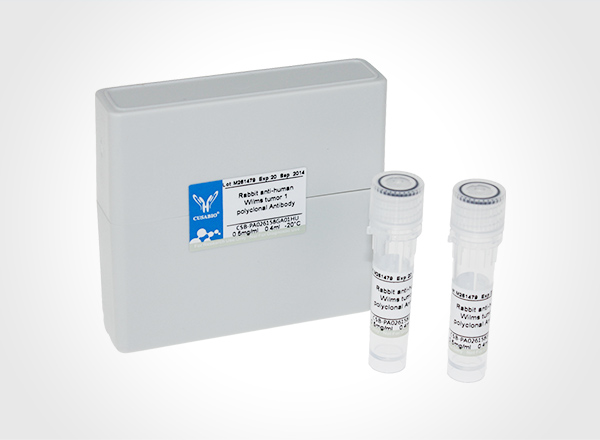
9430099A16Rik antibody; Long transient receptor potential channel 5 antibody; LTrpC-5 antibody; LTrpC5 antibody; MLSN1 and TRP related gene 1 antibody; MLSN1 and TRP related gene 1 protein antibody; MLSN1 and TRP-related antibody; MLSN1- and TRP-related gene 1 protein antibody; MTR1 antibody; Novel protein similar to vertebrate transient receptor potential cation channel, subfamily M, member 5 antibody; Transient receptor potential cation channel subfamily M member 5 antibody; Transient receptor potential cation channel, subfamily M, member 5 antibody; Trpm5 antibody; TRPM5 transient receptor potential cation channel, subfamily M, member 5 antibody; TRPM5_HUMAN antibody
Raised in
Rabbit
Species Reactivity
Human,Mouse,Rat
Immunogen
Human TRPM5
Immunogen Species
Homo sapiens (Human)
Isotype
IgG
Purification Method
Antigen Affinity purified
Concentration
It differs from different batches. Please contact us to confirm it.
Upon receipt, store at -20°C or -80°C. Avoid repeated freeze.
Lead Time
Basically, we can dispatch the products out in 1-3 working days after receiving your orders. Delivery time maybe differs from different purchasing way or location, please kindly consult your local distributors for specific delivery time.
Note: All of our proteins are default shipped with normal blue ice packs, if you request to ship with dry ice, please communicate with us in advance and extra fees will be charged.
Usage
For Research Use Only. Not for use in diagnostic or therapeutic procedures.
Voltage-modulated Ca(2+)-activated, monovalent cation channel (VCAM) that mediates a transient membrane depolarization and plays a central role in taste transduction. Monovalent-specific, non-selective cation channel that mediates the transport of Na(+), K(+) and Cs(+) ions equally well. Activated directly by increases in intracellular Ca(2+), but is impermeable to it. Gating is voltage-dependent and displays rapid activation and deactivation kinetics upon channel stimulation even during sustained elevations in Ca(2+). Also activated by a fast intracellular Ca(2+) increase in response to inositol 1,4,5-triphosphate-producing receptor agonists. The channel is blocked by extracellular acidification. External acidification has 2 effects, a fast reversible block of the current and a slower irreversible enhancement of current inactivation. Is a highly temperature-sensitive, heat activated channel showing a steep increase of inward currents at temperatures between 15 and 35 degrees Celsius. Heat activation is due to a shift of the voltage-dependent activation curve to negative potentials. Activated by arachidonic acid in vitro. May be involved in perception of bitter, sweet and umami tastes. May also be involved in sensing semiochemicals.
Gene References into Functions
genetic association studies in populations in Northern Europe, Maghreb, and Sri Lanka: Data suggest that SNPs in TAS2R50 (rs1376251), TRPM5 (rs800345), and TAS2R16 (rs860170) are associated with cultural food preferences; TAS2R16 (rs860170) strongly differentiates populations and is associated to salicin bitterness perception. (TAS2R = taste receptor type 2)PMID:28366770
Our results suggest roles of TRPM3 and TRPM5 gene variants in the susceptibility to or clinical expression of Systemic sclerosisPMID:26546534
The PKC-dependent effect of GLP-1 on membrane potential and electrical activity was mediated by activation of Na(+)-permeable TRPM4 and TRPM5 channels by mobilization of intracellular Ca(2+) from thapsigargin-sensitive Ca(2+) storesPMID:26571400
In a Turkish population, genetic polymorphism in TRPM5 genes modify individual susceptibility to metabolic syndrome.PMID:25967713
TRPM5-mediated Na(+) entry to promote Ca(2+) uptake via an NCX to trigger MUC5AC secretionPMID:23741618
TrpM5 expression was similar throughout the olfactory glomeruli.PMID:24288162
The TRPM5 gene rs34551253 (Ala456Thr) polymorphism may be associated with increased risk of developing primary open angle glaucoma in the Turkish population.PMID:24019741
AZIN1 rs2679757 and TRPM5 rs886277 are associated with the risk of HBV-related liver cirrhosis in Chinese.PMID:23844940
extracellular Zn(2+) inhibits TRPM5 channels, and the residues in the outer pore loop of TRPM5 are critically involved in the inhibition.PMID:23884414
common TRPM5 variants are likely to be associated with prediabetic phenotypes; and this may in turn contribute to the development of type 2 diabetes mellitusPMID:21489577
results suggest TRPM5 may play a role in upregulating endogenous expression of TRPA1, that TRPA1 activation may be an additional trigger for co-expressed calcium-dependent ion channels such as TRPM5, and that TRPM5 may amplify responses to TRPA1 ligandsPMID:21133676
TRPM5 gene is imprinted, with preferential expression from the paternal allele.PMID:10607831
TRPM5 is a transient Ca2+-activated cation channel responding to rapid changes in [Ca2+]iPMID:14634208
regulation of TRPM5 by Ca2+ mediates sensory activation in the taste systemPMID:14657398
data show that extracellular acidification acts through specific residues on transient receptor potential cation channel, subfamily M(TRPM5) to block conduction through two distinct but related mechanismsPMID:15731110
understanding the structural basis for TRPM5 function will ultimately allow the design of pharmaceuticals to enhance or interfere with taste sensations--{REVIEW}PMID:17217064
Strongly expressed in fetal brain, liver and kidney, and in adult prostate, testis, ovary, colon and peripheral blood leukocytes. Also expressed in a large proportion of Wilms' tumors and rhabdomyosarcomas. In monochromosomal cell lines shows exclusive pa