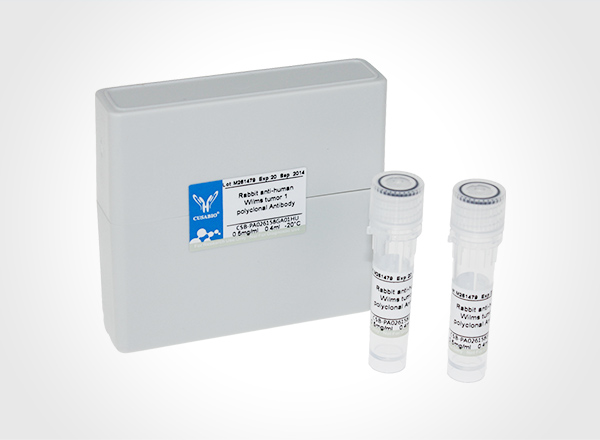
Upon receipt, store at -20°C or -80°C. Avoid repeated freeze.
Lead Time
Basically, we can dispatch the products out in 1-3 working days after receiving your orders. Delivery time maybe differs from different purchasing way or location, please kindly consult your local distributors for specific delivery time.
Note: All of our proteins are default shipped with normal blue ice packs, if you request to ship with dry ice, please communicate with us in advance and extra fees will be charged.
Usage
For Research Use Only. Not for use in diagnostic or therapeutic procedures.
Lysosomal serine protease with tripeptidyl-peptidase I activity. May act as a non-specific lysosomal peptidase which generates tripeptides from the breakdown products produced by lysosomal proteinases. Requires substrates with an unsubstituted N-terminus.
Gene References into Functions
The reports the crystal structure of the N-terminal domain of TIN2 in complex with TIN2-binding motifs from TPP1 and TRF2, revealing how TIN2 interacts cooperatively with TPP1 and TRF2.PMID:29160297
TPP1 cleaves and destabilizes fibrillar amyloid-beta at multiple sites in a time- and pH-dependent manner.PMID:29378960
To confirm clinical suspicion of CLN2 disease, the recommended gold standard for laboratory diagnosis is demonstration of deficient TPP1 enzyme activity (in leukocytes, fibroblasts, or dried blood spots) and the identification of causative mutations in each allele of the TPP1/CLN2 gene.PMID:27553878
These studies indicate that optimal treatment outcomes for CLN2 disease may require delivery of TPP1 systemically as well as directly to the central nervous system.PMID:28079862
TPP1 is overexpressed in hepatocellular carcinoma tissues and significantly correlated with poor prognosis of hepatocellular carcinoma patients.RFX5 acts as a direct positive transcriptional regulator of TPP1 in hepatocellular carcinoma.PMID:27840983
TPP1(CLN2) mutation is associated with neuronal ceroid lipofuscinosis.PMID:24271013
To our knowledge, our results bring the first evidence of a mechanism that links TPP-1 deficiency and oxidative stress-induced changes in mitochondrial morphology.PMID:23249249
hypothesize that loss of function variants abolishing TPP1 enzyme activity lead to CLN2 disease, whereas variants that diminish TPP1 enzyme activity lead to SCAR7PMID:23418007
This study demonistrated that the CLN2 gene 4 mutation in late infantile neuronal ceroid lipofuscinosis.PMID:22832778
TPP1 mutants utilize the advantages of a zebrafish model for understanding the pathogenesis of late infantile (or classic late infantile neuronal ceroid lipofuscinosis) disease.PMID:23587805
The variant juvenile phenotype comprises approximately 50% of CLN2 in South America. The five most frequent South American mutations comprise 66% of pathological alleles.PMID:23266810
Gemfibrozil and fenofibrate, Food and Drug Administration-approved lipid-lowering drugs, up-regulate tripeptidyl-peptidase 1 in brain cells via peroxisome proliferator-activated receptor alpha and may have implications in late infantile Batten disease therapyPMID:22989886
Studies indicate that TPP-I is the only member of the sedolisin family that has been shown to exhibit tripeptidyl peptidase activity and is related to the fatal hereditary disease, Batten disease.PMID:22016395
Intrathecal human tripeptidyl-peptidase 1 administration reduces lysosomal storage in a canine model of late infantile neuronal ceroid lipofuscinosis.PMID:21784683
the critical residues in the TPPI catalysis and its structure-function analysisPMID:20689811
Data show that most TPPI variants displayed obstructed transport to the lysosomes.PMID:20340139
The authors conducted a phase I study of late infantile neuronal ceroid lipofuscinosis using an adenoassociated virus serotype 2 (AAV2) vector containing the deficient CLN2 gene (AAV2(CU)hCLN2).PMID:20672930
The clinical, biochemical, and molecular genetic aspects of lysosomal storage disorders are discussed in this reviewPMID:12125808
Data show that three neuronal ceroid lipofuscinoses disease forms with similar tissue pathology are connected at the molecular level: CLN5 polypeptides directly interact with the CLN2 and CLN3 proteinsPMID:12134079
Missense mutations, R127Q, N286S, and T353P represent novel, previously not described alleles.PMID:12376936
human tripeptidyl-peptidase I is processed by a serine protease to the mature, active form in vivoPMID:12488460
a novel mutation in neuronal ceroid lipofuscinosisPMID:12698559
CLN2 gene mutations may result in low cerebrospinal fluid pterin production in classical neuronal ceroid lipofuscinoses of late infantile onset.PMID:12950156
human tripeptidyl-peptidase I must be N-glycosylated for folding, trafficking, and stabilityPMID:14702339
mutant Asn286Ser CLN2 lacks one oligosaccharide chain resulting in enzymatic inactivationPMID:14736728
intramolecular (unimolecular) mechanism of TPP I activation and autoprocessingPMID:15143070
TPP-I is the predominant proteolytic enzyme responsible for the intracellular degradation of neuromedin BPMID:15158442
Functional analyses of CLN2 mutations reveal transport disruption of tripeptidyl-peptidase I to lysosomes.PMID:15317752
tripeptidyl-peptidase I activation, activity, and stability are regulated by glycosaminoglycansPMID:15582991
Ser475 and Asp360, also Glu272, Asp276, and Asp327 are important for catalytic activity of tripeptidyl peptidase IPMID:15733845
Substrate-binding cleft of TPP-I composed of only 6 subsites; TPP-I prefers bulky and hydrophobic amino acid residues at P(1) position and Ala, Arg, or Asp at P(2) position; hydrophilic interactions at the S(2) subsite are necessary for TPP-I.PMID:16091586
Mutational screening of CLCN2 gene, revealed a homozygous mutation G2003C (exon 17), leading to a Ser/Thr substitution at the codon 668, in two of the three in malignant migrating partial seizures patients.PMID:16168594
there is a close correlation between CLN2 and CLN1 expression and colorectal carcinoma progression and metastasis and suggest that they may be potential molecular targetsPMID:16518810
Clinical features, histological findings, and genetic study reveal that CLN2 type is the most common form of neuronal ceroid lipofuscinosis. There is male predominance of 90.1% in this part of the Arab world.PMID:17690061
CLN2/TPP1 deficiency: the novel mutation IVS7-10A>G causes intron retention and is associated with a mild disease phenotype.PMID:17959406
the tripeptidyl peptidase I prosegment is a potent, slow-binding inhibitor of its cognate enzymePMID:18411270
Lysosome-related genes, such as CLN2, CLN3, and HEXB, may be involved in the pathogenesis of adipose tissue hypertrophy in TED.PMID:18552385
Structure of tripeptidyl-peptidase I provides insight into the molecular basis of late infantile neuronal ceroid lipofuscinosis.PMID:19038966
Crystal structure and autoactivation pathway of the precursor form of human tripeptidyl-peptidase 1, the enzyme deficient in late infantile ceroid lipofuscinosisPMID:19038967
This novel deletion mutation in the CLN2 gene in a family of Arab origin from Israel sheds further light on the epidemiology of neuronal ceroid lipofuscinosis as a worldwide diseasePMID:19748052
functional analysis of variants expressed in CHO cellsPMID:11462245
Show
More
Hide
All
Subcellular Location
Lysosome. Melanosome.
Tissue Specificity
Detected in all tissues examined with highest levels in heart and placenta and relatively similar levels in other tissues.