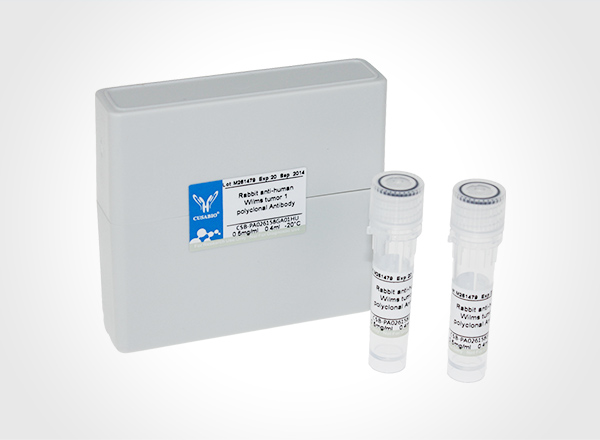
Upon receipt, store at -20°C or -80°C. Avoid repeated freeze.
Lead Time
Basically, we can dispatch the products out in 1-3 working days after receiving your orders. Delivery time maybe differs from different purchasing way or location, please kindly consult your local distributors for specific delivery time.
Note: All of our proteins are default shipped with normal blue ice packs, if you request to ship with dry ice, please communicate with us in advance and extra fees will be charged.
Usage
For Research Use Only. Not for use in diagnostic or therapeutic procedures.
Pattern recognition receptor (PRR) located on the cell surface that participates in the activation of innate immunity and inflammatory response. Recognizes small molecular motifs named pathogen-associated molecular pattern (PAMPs) expressed by pathogens and microbe-associated molecular patterns (MAMPs) usually expressed by resident microbiota. Upon ligand binding such as bacterial flagellins, recruits intracellular adapter proteins MYD88 and TRIF leading to NF-kappa-B activation, cytokine secretion and induction of the inflammatory response. Plays thereby an important role in the relationship between the intestinal epithelium and enteric microbes and contributes to the gut microbiota composition throughout life.
Gene References into Functions
SNPs associated with genetically determined high activity of TLR5 among patients with CD and genetically determined high IL-12 and IL-18 levels among patients with UC.PMID:28139755
results suggest that Hsp90 inhibitors suppress TLR5 surface expression and activation of NF-kappaB in THP-1 cells in response to TLR5 ligand, and these inhibitory effects may be associated with the possible mechanisms by which Hsp90 inhibitors suppress myeloid leukemia.PMID:29651431
this study signifies that TLR5 adaptor molecules are necessary for the proper production of cytokines, chemokines and pro-labour mediators after TLR ligationPMID:28844021
the newly found long TLR5 transcripts may be involved in the negative regulation of TLR5 expression and function.PMID:28948171
It was observed that the TLR5 polymorphisms rs5744168, rs2072493, and rs5744174 are less frequent in Indian Tamils, suggesting that the TLR5 gene remains conserved, which may be due to the genetic selection pressure to withstand prevailing endemic infectious diseases. We observed that these polymorphisms also failed to confer significant risk to develop chronic H. pylori infections and its associated clinical phenotypesPMID:28742407
we identified significant interactions between TLR5 rs1640827, rs17163737 and Helicobacter pylori infection. This results provide valuable insights into the TLR5 and Helicobacter pylori infection involved in gastric carcinogenesis, and this may have important implications in personalized prevention of GC.PMID:28404962
TLR 5, 7, and 9 expression patterns differed between HPV-positive and -negative oropharyngeal squamous cell carcinoma patients. In HPV-positive tumors the expression of TLR 5 and 7 correlated with tumor recurrence.PMID:28856441
These results suggest that HMGB1-modulated TLR5 signaling is responsible for pain hypersensitivity.PMID:27760316
data show that TLR-5 and TLR-9 are susceptible genes to lupus nephritis (LN) and that their expression is dysregulated in LN patients' kidneys, supporting a role of these mediators in the pathogenesis of LN.PMID:28763101
These results indicate that in Chinese genetic variation of TLR5 may be not a determinant of susceptibility to hepatitis B virus-related diseases but may play a role in development of hepatitis B virus-related severe liver diseases.PMID:28543911
Distinctive Recognition of Flagellin by Human and Mouse Toll-Like Receptor 5PMID:27391968
This study independently confirms the association of TLR5 c.1174C>T with protection against death in melioidosis, identifies lower bacteremia, IL-10 and TNF-alpha production in carriers of the variant with melioidosis.PMID:28475641
Study demonstrated that toll-like receptor 5 expression and functional activity as measured by interleukin 6 are modulated by hormonesPMID:27651177
findings suggest that TLR5 is functionally expressed in the SG and responds to its cognate ligand flagellinPMID:27665969
that TLR5 is involved in the pathogenesis and dissemination of esophageal adenocarcinoma through as-yet-uncharacterized mechanismsPMID:27392931
Ligands for TLR1/2 or TLR5 may provide critical stimuli able to sustain the growth and the malignant phenotype of MCL cells.PMID:27123851
The distribution of the TLR 5 genotypes did not differ significantly between bronchopulmonary dysplasia patients and controls.PMID:27457283
Both TLR 5 and 7 are expressed in salivary adenoid cystic carcinoma on the cell membranes as well as in cytoplasm.PMID:26888781
The results of this study demonstrated that TLR5 rs5744174 polymorphism may have no impact on the stroke risk, gene expression and inflammatory cytokines, but may influence the HDL-C serum level of IS patients in Chinese Han population.PMID:27262705
Letter: TLR5 mRNA was not altered in peripheral mononuclear cells from patients with ankylosing spondylitis or rheumatoid arthritis.PMID:26996117
These results indicate that in response to Pseudomonas aeruginosa or flagellin, EGFR associates with and tyrosine phosphorylates MUC1-CT in primary normal human bronchial epithelial cells, leading to increased MUC1-CT association with TLR5PMID:26645913
Study elucidated the relationship between TLR5 and caveolin-1 at the transcriptional and translational levels using human cells, results suggest that caveolin-1 is a crucial regulator for maintaining and controlling TLR5 expression.PMID:26615831
Study showed that MyD88 Toll/interleukin-1 receptor (TIR) domain interacted with TLR5TIR but not with TLR6TIR. The solubility of both TLR5TIR and TLR6TIR were influenced by its binding partner MyD88TIR. Moreover, TLR5TIR exhibited increased solubility.PMID:26548862
TLR-5 was more abundant in OSCC than in CSCC samples.PMID:25047824
genetic polymorphism is not associated with duodenal ulcerPMID:25995217
p53-dependent amplification of transcriptional response to TLR5 activation required expression of NFkappaB subunit p65 and was mediated by several molecular mechanismsPMID:26220208
TLR5 variants R392X and N592S showed significant association with UC patients but TLR 1, 2, 3, 6 variants did not show any association.PMID:25789623
Studies indicate that toll-like receptor 5 (TLR5) specifically interacts with flagellin, and is useful as an analytical recognition element for low concentrations of flagellin.PMID:24881544
review of recent research on the interactions between TLR5, adaptive immunity and the microbiota; discussion of how variation in the TLR5 gene may alter these interactions to impact host inflammatory phenotypes in humansPMID:25284610
Establishing bacterial flagellin-recognizing toll-like receptor 5 (TLR5) as a novel link between gut microbiota composition, adipose tissue inflammation, and obesity.PMID:25611816
Flagellin activated TLR5 protein in non-small cell lung cancer cell lines and initiate downstream signaling pathways.PMID:25603867
mediates cytokine production in response to the Toxoplasma gondii-derived profilinPMID:24861338
Association of TLR5 Gene Polymorphisms in Ulcerative Colitis Patients of North India and Their Role in Cytokine Homeostasis.PMID:25789623
Study demonstrates that TLR5 recognition of commensal microbiota regulates systemic tumor-promoting inflammation and, subsequently, extramucosal malignant progression.PMID:25533336
A family was heterozygous for risk variants of the genes encoding NOD2 and TLR5 and homozygous carriers of PTPN2 risk alleles in Crohn disease.PMID:24901824
Genetic polymorphisms in TLR5 might be associated with decreased susceptibility of Graves' disease in Chinese Cantonese females.PMID:24830583
results reveal broad expression patterns of TLR5 and TLR7 in the lung and that the expression is decreased in severe asthma.PMID:24447081
TLR5 activation by flagellin may elicit chemoresistance in Multiple myeloma patients who have suffered from recurrent bacterial infections.PMID:24709011
Sle1 transgene perturbs the action of peripheral tolerance checkpoints operative on antinuclear antigen B cells in both the antibody-forming cell and germinal center pathways in a cell autonomous fashion.PMID:19828626
TLR5(rs5744105)variant was associated with altered immune responses in very low birth weight infants (elevated WBC counts)during bacterial infections.PMID:23867959
Frequent SNP's in the flagellin receptor TLR5 and the TLR downstream effector molecules MyD88 and TIRAP that are associated with altered survival in a large cohort of Caucasian patients with colorectal cancerPMID:24154872
Low expression of TLR5 was associated with non-small cell lung cancer.PMID:24549739
Authors suggest that TLR5 is involved in host defense against Aspergillus fumigatus, and that the recipient TLR5-Stop SNP represents a risk factor for the development of invasive aspergillosis after allogeneic stem cell transplantation.PMID:23862689
suggest a role for abnormal expression of TLR5 in the pathogenesis of esophageal adenocarcinoma and suggest importance of altered microbiome in the pathogenesis of complications of Barrett's esophagusPMID:24221343
exposure of human T cells to flagellin leads to a transient TLR5-induced increase in the sensitivity of these cells to subsequent TCR activation.PMID:24128895
TLR5 signaling enhances the proliferation of human allogeneic CD40-activated B cell induced CD4hiCD25+ regulatory T cells.PMID:23844139
These results indicate that polyethylenimine is a new TLR5 agonist with potential application in offering protection for patients receiving radiotherapy or in radiation-related accidents.PMID:23104900
A non-synonymous coding variant (L616F) in the TLR5 gene is potentially associated with Crohn's disease and influences responses to bacterial flagellin.PMID:23593463
Our data demonstrate a novel role for TLR-5 in rheumatoid arthritis angiogenesis; thus, TLR-5 may be a promising new target for its treatment.PMID:23666857
Data indicate the biological activity of a TLR5:flagellin complex with a 2:2 stoichiometry.PMID:23624387
Show
More
Hide
All
Subcellular Location
Cell membrane; Single-pass type I membrane protein.
Protein Families
Toll-like receptor family
Tissue Specificity
Highly expressed on the basolateral surface of intestinal epithelia. Expressed also in other cells such as lung epithelial cells.