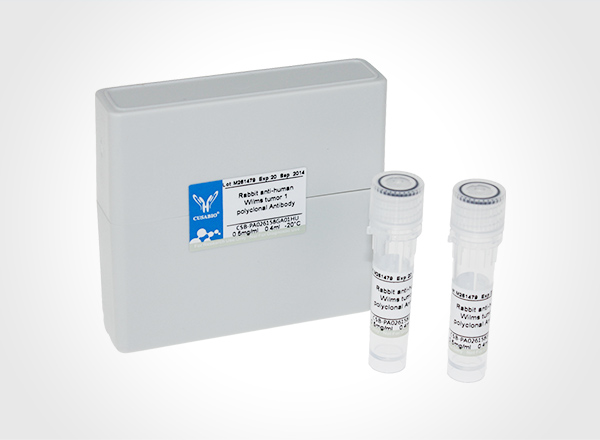
Upon receipt, store at -20°C or -80°C. Avoid repeated freeze.
Lead Time
Basically, we can dispatch the products out in 1-3 working days after receiving your orders. Delivery time maybe differs from different purchasing way or location, please kindly consult your local distributors for specific delivery time.
Note: All of our proteins are default shipped with normal blue ice packs, if you request to ship with dry ice, please communicate with us in advance and extra fees will be charged.
Usage
For Research Use Only. Not for use in diagnostic or therapeutic procedures.
Mediates cotranslational and post-translational transport of certain precursor polypeptides across endoplasmic reticulum (ER). Proposed to play an auxiliary role in recognition of precursors with short and apolar signal peptides. May cooperate with SEC62 and HSPA5/BiP to facilitate targeting of small presecretory proteins into the SEC61 channel-forming translocon complex, triggering channel opening for polypeptide translocation to the ER lumen. Required for efficient PKD1/Polycystin-1 biogenesis and trafficking to the plasma membrane of the primary cilia.
Gene References into Functions
Results suggest that loss of PRKCSH and SEC63 leads to general defects in ciliogenesis, while quenching of the Wnt signaling cascade is cholangiocyte-restricted.PMID:28973524
a SEC63 germline mutation may play a role in cyst formation in polycystic liver diseasePMID:23209713
Phosphorylation of Sec63 by CK2 enhanced its binding to Sec62PMID:23287549
Sec63 may perform a substrate-selective quantity control function during cotranslational endoplasmic reticulum import.PMID:23166619
Silencing the human SEC63 genes inhibits transport of only a subset of signal-peptide-containing precursor proteins to endoplasmic reticulum.PMID:22375059
identified nucleoredoxin as an interaction partner of Sec63; characterized this interaction; Sec63 is linked to the Wnt signaling pathways and this interaction may be the reason why mutations in SEC63 can lead to polycystic liver diseasePMID:21251912
identified a total of 26 novel mutations in PRKCSH (n = 14) and SEC63 (n = 12), including four splice site mutations, eight insertions/ deletions, six non-sense mutations, and eight missense mutationsPMID:20095989
Mutations in SEC63 cause autosomal dominant polycystic liver disease, suggesting a role for cotranslational protein-processing pathways in maintaining epithelial luminal structure and implicating noncilial ER proteins in human polycystic disease.PMID:15133510
Sec63p expression was observed in all cyst epithelia regardless of mutational state. And, Cystogenesis in SEC63-associated PCLD occurs via a different mechanism.PMID:18224332