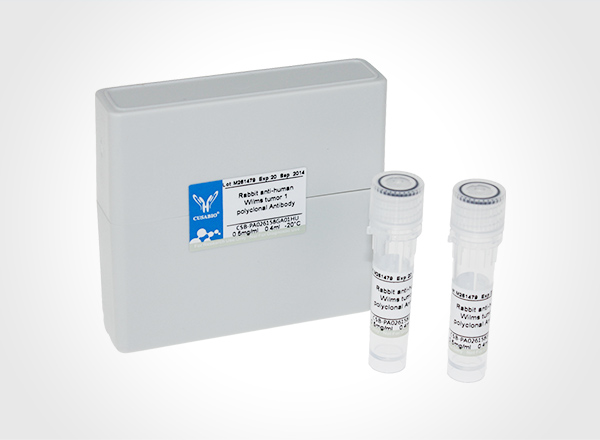
Liquid
Note: We will preferentially ship the format that we have in stock, however, if you have any special requirement for the format, please remark your requirement when placing the order, we will prepare according to your demand.
Storage
Upon receipt, store at -20°C or -80°C. Avoid repeated freeze.
Lead Time
Basically, we can dispatch the products out in 1-3 working days after receiving your orders. Delivery time maybe differs from different purchasing way or location, please kindly consult your local distributors for specific delivery time.
Note: All of our proteins are default shipped with normal blue ice packs, if you request to ship with dry ice, please communicate with us in advance and extra fees will be charged.
Usage
For Research Use Only. Not for use in diagnostic or therapeutic procedures.
Serine-threonine kinase which is a key regulator of TNF-mediated apoptosis, necroptosis and inflammatory pathways. Exhibits kinase activity-dependent functions that regulate cell death and kinase-independent scaffold functions regulating inflammatory signaling and cell survival. Has kinase-independent scaffold functions: upon binding of TNF to TNFR1, RIPK1 is recruited to the TNF-R1 signaling complex (TNF-RSC also known as complex I) where it acts as a scaffold protein promoting cell survival, in part, by activating the canonical NF-kappa-B pathway. Kinase activity is essential to regulate necroptosis and apoptosis, two parallel forms of cell death: upon activation of its protein kinase activity, regulates assembly of two death-inducing complexes, namely complex IIa (RIPK1-FADD-CASP8), which drives apoptosis, and the complex IIb (RIPK1-RIPK3-MLKL), which drives necroptosis. RIPK1 is required to limit CASP8-dependent TNFR1-induced apoptosis. In normal conditions, RIPK1 acts as an inhibitor of RIPK3-dependent necroptosis, a process mediated by RIPK3 component of complex IIb, which catalyzes phosphorylation of MLKL upon induction by ZBP1. Inhibits RIPK3-mediated necroptosis via FADD-mediated recruitment of CASP8, which cleaves RIPK1 and limits TNF-induced necroptosis. Required to inhibit apoptosis and necroptosis during embryonic development: acts by preventing the interaction of TRADD with FADD thereby limiting aberrant activation of CASP8. In addition to apoptosis and necroptosis, also involved in inflammatory response by promoting transcriptional production of pro-inflammatory cytokines, such as interleukin-6 (IL6). Phosphorylates RIPK3: RIPK1 and RIPK3 undergo reciprocal auto- and trans-phosphorylation. Phosphorylates DAB2IP at 'Ser-728' in a TNF-alpha-dependent manner, and thereby activates the MAP3K5-JNK apoptotic cascade. Required for ZBP1-induced NF-kappa-B activation in response to DNA damage.
Gene References into Functions
Ischemia induces an up-regulation of RIP1K and an enhancement of RIP1K-RIP3K complex formation in neurons and astrocytes. Inhibition of RIP1K increases ischemia-induced reduction in MAP2 or GFAP and decreases ischemia-induced neuronal or astrocytic cell necrosis in the ischemic cortex, and directly protects OGD-induced neuronal or astrocytic cell death. Nec-1 blocks RIP1K-RIP3K complex formation.PMID:29102662
Aldehyde dehydrogenase 2 deficiency negates chronic low-to-moderate alcohol consumption-induced cardioprotecion possibly via ROS-dependent apoptosis and RIP1/RIP3/MLKL-mediated necroptosis.PMID:27840306
The major function of RIP1 kinase activity in TNF-induced necroptosis is to autophosphorylate serine 161. This specific phosphorylation then enables RIP1 to recruit RIP3 and form a functional necrosome, a central controller of necroptosis.PMID:28176780
Elevated A20 promotes TNF-induced and RIPK1-dependent intestinal epithelial cell deathPMID:30209212
two different modes of necroptosis induction by TNFalpha exist which are differentially regulated by iuRIPK1 formation. Overall, this work reveals a distinct mechanism of RIPK1 activation that mediates the signaling mechanism of RDA as well as a type of necroptosis.PMID:29891719
We show that inflammation and autoimmunity are prevented upon expression of kinase inactive RIPK1 or deletion of RIPK3 or MLKL. We provide evidence that the inflammation is not driven by microbial ligands, but depends on the release of danger-associated molecular patterns and MyD88-dependent signaling.PMID:29212904
RIPK1-DD has a role in mediating RIPK1 dimerization and activation of its kinase activity during necroptosis and RIPK1-dependent apoptosisPMID:29440439
High RIPK1 expression is associated with Alzheimer's disease.PMID:28904096
The authors report here that male reproductive organs of both Ripk3- and Mlkl-knockout mice retain 'youthful' morphology and function into advanced age, while those of age-matched wild-type mice deteriorate. Feeding of wild-type mice with an RIPK1 inhibitor prior to the normal onset of age-related changes in their reproductive organs blocked the appearance of signs of aging.PMID:28807105
Pull down experiments with biotinylated Sorafenib show that it binds independently RIPK1, RIPK3 and MLKL. Moreover, it inhibits RIPK1 and RIPK3 kinase activity. In vivo Sorafenib protects against TNF-induced systemic inflammatory response syndrome (SIRS) and renal ischemia-reperfusion injury (IRI).PMID:28661484
The study provides genetic evidence that different RIP1 kinase inactive mutations have distinct impacts on the embryogenesis of Fadd-deficient mice.PMID:28574501
Excessive death of hepatocytes is a characteristic of liver injury. A new programmed cell death pathway has been described involving upstream death ligands such as TNF and downstream kinases such as RIPK1.PMID:28088582
TNFalpha-induced phosphorylation of RIPK1 in the intermediate domain by TAK1 plays a key role in regulating the decision between three distinct mechanisms of cell death: necroptosis, RIPK1-independent and dependent apoptosis.PMID:28842570
K45 mediated kinase activity of RIPK1 is not only important for necroptosis but it also has a key role in promoting cytokine signaling and host response to inflammatory stimuli.PMID:27258786
Data show that the kinase activity of receptor-interacting protein kinase 1 (RIPK1) is required for Yersinia-induced apoptosis.PMID:28855241
An alternative function for RIPK1/RIPK3 in vascular permeability.PMID:28151480
these results revealed a novel, kinase-independent function of RIP1, which is essential for not only promoting TCR-induced proliferative responses but also in blocking apoptosis in mature T cells.PMID:27685623
Data show that the kinase domain of RIPK1 is a disease driver of intracerebral hemorrhage, mediating both acute cell death and functional outcome.PMID:28765287
study identifies a novel role for RIPK1 and RIPK3, a pair of homologous serine/threonine kinases previously implicated in the regulation of necroptosis and pathologic tissue injury, in directing IFN-beta production in macrophagesges.PMID:28461567
this study shows that RIPK1 and RIPK3 account for acute inflammatory responses induced by lipopolysaccharide in vivo; notably, this regulation does not require exogenous manipulation of caspasesPMID:27396959
these findings indicate that RIPK1 cooperates with NF-kappaB signaling to prevent TNFR1-independent hepatocyte apoptosis and the development of chronic liver disease and cancer, but acts downstream of TNFR1 signaling to promote diethylnitrosamine-induced liver tumorigenesis.PMID:28628031
this study reveals a critical kinase-independent platform role for RIPK1 in protecting against TNF/caspase-dependent apoptosis of hepatocytes in immune-mediated liver injuryPMID:27605011
Results revealed that RIPK1 and PGAM5 function independently to exert optimal control of Leishmania replication in the host.PMID:27183605
Knocking down receptor-interacting serine/threonine protein kinase 1 (Ripk1) increased both intracellular and extracellular PGRN protein levels by increasing the translation rate of PGRN without affecting mRNA levels.PMID:28069809
The findings reported here indicate that palmitate induces RIP1/RIP3-dependent necrosis via MLKL-mediated pore formation of RAW 264.7 cells in the plasma membrane, which could provide a new mechanism to explain the link between elevated levels of free fatty acids (FFAs), palmitate in particular, and macrophage death.PMID:27856241
The results indicate that RIP1 and MLKL contribute to necroptotic cell death after HCoV-OC43 infection to limit viral replication.PMID:27795420
Overall, our study has identified a new role of PS-341 in the cell death of BMDMs and provided a novel insight into the atherosclerotic inflammation caused by proteasome-mediated macrophage necroptosis.PMID:27363341
this study reveals a unique response of Kupffer cells against liver ischemia reperfusion, that is, RIP1-dependent necrosis, which constitutes a novel mechanism of liver inflammatory immune activation in the pathogenesis of liver ischemia reperfusion injuryPMID:28289160
RIPK1 prevents skin inflammation by inhibiting activation of RIPK3-MLKL-dependent necroptosis mediated by Z-DNA binding protein 1 (ZBP1, also known as DAI or DLM1).PMID:27819681
findings indicate that the RHIM of RIPK1 is critical for preventing ZBP1/RIPK3/MLKL-dependent necroptosis during developmentPMID:27819682
Hyperglycemic Conditions Prime Cells for RIP1-dependent Necroptosis.PMID:27129772
CNOT3 suppression promotes necroptosis by stabilizing mRNAs for cell death-inducing proteins, Ripk1 and Ripk3.PMID:26437789
TAKI-induced cytotoxicity is cell context specific, and apoptosis observed in macrophages is dependent on the constitutive autocrine action of TNF-alpha for RIP1 activation and ROS production.PMID:26381601
RIP1-Tag2 mice that lack serglycin develop larger tumors.PMID:25978773
data show that RIP1-mediated necroptosis is not present in the postischemic liver and that I/R-induced caspase activation is associated with loss of RIP1 expressionPMID:26009812
In addition to other pro-death functions, RIP1 regulates cellular sensitivity to pro-death stimuli by modulating basal autophagy.PMID:25908842
Cisplatin stimulates RIP1/RP3/MLKL-dependent necrotic cell death in renal tubules, which finally causes renal dysfunctionPMID:25788533
diverse modes of acute liver injury have differing requirements for RIP1 and RIP3; moreover, within a single injury model, RIP1 and RIP3 blockade can have diametrically opposite effects on tissue damagePMID:25950489
Results demonstrate that RIPK1 is a bona fide substrate of IKKa and IKKb and that IKKa/IKKb-mediated phosphorylation of RIPK1 in complex I protects cells from RIPK1 kinase-dependent death.PMID:26344099
Human herpesvirus 1 ICP6 interacts with mouse RIP1/RIP3 through its RHIM domain and forms dimers/oliogmers by its C-terminal R1 domain.PMID:25674982
robust cross-priming required receptor-interacting protein kinase-1 (RIPK1) signaling and nuclear factor kappaB (NF-kappaB)-induced transcription within dying cells.PMID:26405229
RIP1 and RIP3-mediated necroptosis may involve in the pathogenesis of aplastic anemia induced by cyclophosphamide and busulfan in mice.PMID:25674205
RIP1 plays a major role in physiological enterocyte turnover through a RIP3-independent nonapoptotic death mechanism in the mouse small intestine.PMID:25348793
RIPK1 indirectly regulates caspase-8 activation, in part via interaction with the ER stress sensor IRE1.PMID:25476903
The presence of RIPK1, either in the initial dimer or as a secondary recruit, increases the efficiency of induction of apoptosis.PMID:24902899
Data show that hematopoietic receptor-interacting serine/threonine-protein kinase 1 (RIPK1) deficiency triggers both apoptotic and necroptotic death that is partially prevented by receptor-interacting serine-threonine kinase 3 (RIPK3) deficiency.PMID:25246544
Treatment with pan-caspase inhibitor ZVAD blocked the activation of caspase-8 and reduced the number of apoptotic nuclei, while increasing levels of RIP1, RIP3, and necrotic OHCs.PMID:24874734
our results reveal a specific role for the RIP1-RIP3-DRP1 pathway in RNA virus-induced activation of the NLRP3 inflammasomePMID:25326752
Although necrostatin inhibited TNF-induced, lipopolysaccharide-induced and polyIC-induced necroptosis, RIPK1 knockdown unexpectedly potentiated this process. RIPK1 is dispensable for necroptosis and can act as an inhibitor of it.PMID:25195660
Show
More
Hide
All
Subcellular Location
Cytoplasm. Cell membrane.
Protein Families
Protein kinase superfamily, TKL Ser/Thr protein kinase family