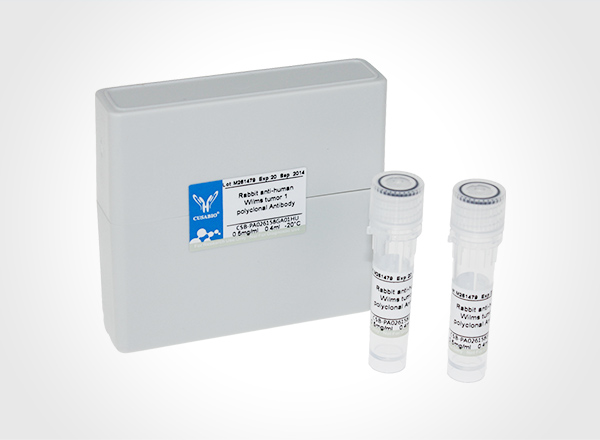
Upon receipt, store at -20°C or -80°C. Avoid repeated freeze.
Lead Time
Basically, we can dispatch the products out in 1-3 working days after receiving your orders. Delivery time maybe differs from different purchasing way or location, please kindly consult your local distributors for specific delivery time.
Note: All of our proteins are default shipped with normal blue ice packs, if you request to ship with dry ice, please communicate with us in advance and extra fees will be charged.
Usage
For Research Use Only. Not for use in diagnostic or therapeutic procedures.
Calcium- and diacylglycerol-independent serine/ threonine-protein kinase that plays a general protective role against apoptotic stimuli, is involved in NF-kappa-B activation, cell survival, differentiation and polarity, and contributes to the regulation of microtubule dynamics in the early secretory pathway. Is necessary for BCR-ABL oncogene-mediated resistance to apoptotic drug in leukemia cells, protecting leukemia cells against drug-induced apoptosis. In cultured neurons, prevents amyloid beta protein-induced apoptosis by interrupting cell death process at a very early step. In glioblastoma cells, may function downstream of phosphatidylinositol 3-kinase (PI(3)K) and PDPK1 in the promotion of cell survival by phosphorylating and inhibiting the pro-apoptotic factor BAD. Can form a protein complex in non-small cell lung cancer (NSCLC) cells with PARD6A and ECT2 and regulate ECT2 oncogenic activity by phosphorylation, which in turn promotes transformed growth and invasion. In response to nerve growth factor (NGF), acts downstream of SRC to phosphorylate and activate IRAK1, allowing the subsequent activation of NF-kappa-B and neuronal cell survival. Functions in the organization of the apical domain in epithelial cells by phosphorylating EZR. This step is crucial for activation and normal distribution of EZR at the early stages of intestinal epithelial cell differentiation. Forms a protein complex with LLGL1 and PARD6B independently of PARD3 to regulate epithelial cell polarity. Plays a role in microtubule dynamics in the early secretory pathway through interaction with RAB2A and GAPDH and recruitment to vesicular tubular clusters (VTCs). In human coronary artery endothelial cells (HCAEC), is activated by saturated fatty acids and mediates lipid-induced apoptosis. Involved in early synaptic long term potentiation phase in CA1 hippocampal cells and short term memory formation.
Gene References into Functions
Results show a correlation was found between the overexpression of aPKClambda/iota and the degree of pathological differentiation in oral squamous cell carcinoma (OSCC). The nuclear localization of aPKClambda/iota was associated with progression-free survival of OSCC. Overall, the expression and localization of aPKClambda/iota may be involved in the degree of malignancy in OSCC, which is related to prognosis.PMID:30396949
We also carried out PKC-iota and PKC-zeta directed siRNA treatments to prove the above observations. Immunoprecipitation data suggested an association between PKC-iota and vimentin and PKC-iota siRNA treatments confirmed that PKC-iota activates vimentin by phosphorylation. These results further suggested that PKC-iota is involved in signaling pathways which upregulate EMT and which can be effectively suppressed using A...PMID:29048609
These results indicate that PKCiota/lambda is dispensable for Cdc42-triggered processes and for thrombosis and hemostasis in mice.PMID:28739484
14-3-3zeta and aPKC-iota synergistically facilitate EMT of CCA via GSK-3beta/Snail signalling pathway.PMID:27409422
In human ovarian cancers, high PRKCI expression correlates with high expression of TNFalpha and YAP1 and low infiltration of cytotoxic T cellsPMID:28698296
promotes epithelial-mesenchymal transition and induces immunosuppression through the aPKC-iota/P-Sp1/Snail signaling pathway in cholangiocarcinomaPMID:28574228
Polarity signaling via CDC42/atypical protein kinase C can affect the dynamic turnover of the intermediate filament network to promote the polarization of the network itself.PMID:28432079
a PI3K/PKCiota/cyclin E signaling pathway as a therapeutic target during ovarian tumorigenesisPMID:26279297
results identify a novel role of PHLPP in regulating aPKC and cell polarity.PMID:27760826
the polarity function of PRKCI during cavitationPMID:27312576
14-3-3zeta-mediated invasion of cancer cells was found to upregulate Snail through the activation of atypical protein kinase C (aPKC).PMID:27554601
Upregulated expression of PRKCI and interaction with CDK7 is associated with esophageal squamous cell carcinoma.PMID:27481515
This is the first report on the relationship between aPKC[lambda]/[iota] expression patterns and cervical intraepithelial neoplasia progression or regression.PMID:26535980
the results revealed that PRKCI rs546950 variant decreased the risk of prostate cancer in an Iranian populationPMID:26475383
effects. Further studies indicated that PRKCI knockdown-mediated autophagy was associated with the inactivation of phosphatidylinositol 3-kinase alpha/AKT-mammalian target of rapamycin (PIK3CA/AKT-MTOR) signaling.PMID:26792725
the knockdown of aPKC increases and extends TGFbeta-induced p38 MAPK activation, which sensitizes NSCLC cells to undergo apoptosis.PMID:25501807
PKCiota binds to Rab14 and that PKCiota requires Rab14 for its correct distribution in cells. As with Rab14, PKCiota protects claudin-2 from lysosomal degradation and, in consequence, modulates epithelial barrier.PMID:25694446
Constitutive expression of BAG-1M decreased levels of phosphorylated aPKC.PMID:24876225
The results indicate that induction and activation of PKClambda promote TNBC growth, invasion and metastasis.PMID:24786829
Targeting aPKC disables oncogenic signaling by both the EGFR and the proinflammatory cytokine TNFalpha in glioblastoma.PMID:25118327
PRKCI expression is linked with factors pointing to worse prognosis, higher HER2 levels and a lower survival rate in breast cancer.PMID:24603690
These data indicates the existence of a SDF-1alpha induced DGKalpha - atypical PKC - beta1 integrin signaling pathway, which is essential for matrix invasion of carcinoma cells.PMID:24887021
PKCiota gene amplification is correlated with gender, subtype and distant metastasis in Chinese patients with non-small cell lung cancer.PMID:24636699
Suggest that aPKCiota could be an important bio-marker of tumor epithelial-mesenchymal transition, and used as an indicator of invasion and malignancy in hepatocellular carcinoma.PMID:24651432
PKCiota positively regulated beta-catenin through negatively regulated autophagy and depletion of PKCiota promoted apoptosis via autophagic degradation of beta-catenin in esophageal cancer cells.PMID:23359356
Data demonstrate that PKCiota is required for a tumor-initiating cell phenotype in ovarian cancer.PMID:24174471
Report up-regulation of MT1-MMP and atypical protein kinase C in hormone receptor-negative breast tumors in association with a higher risk of metastasis. Silencing of aPKC impaired delivery of MT1-MMP from storage compartments and inhibited invasion.PMID:24753582
It regulates progression of lung adenocarcinoma.PMID:24318287
The PRKCI and SOX2 oncogenes are coamplified and cooperate to activate Hedgehog signaling in lung squamous cell carcinoma.PMID:24525231
The R471C substitution is a change-of-function mutation acting at this substrate-specific recruitment site to selectively disrupt the polarizing activity of PKCiota.PMID:24045153
PKCiota knockdown sensitized cells to oxidative stress-induced apoptosis, whereas forced PKCiota expression counteracted the oxidative stress-induced apoptosis via Hsc70.PMID:23224638
site-specific Dvl2 phosphorylation is required for Dvl2 association with PKCiota; this interaction is likely to be one of the mechanisms essential for Wnt3a-dependent neurite outgrowthPMID:23396968
Morg1 facilitates Par6-aPKC binding to Crb3 for definition of apical identity of epithelial cells.PMID:23439680
results demonstrate that aPKC-iota/lambda is critical for hedgehog-dependent processes and implicates aPKC-iota/lambda as a new, tumour-selective therapeutic target for the treatment of smoothened-inhibitor-resistant cancersPMID:23446420
protein kinase C iota as a therapeutic target in alveolar rhabdomyosarcomaPMID:22349825
In summary, the PI3K/PKCiota regulates the alternative splicing of Bcl-x pre-mRNA with implications in the cell survival of NSCLC cells.PMID:22522453
It was concluded that protein kinase C iota is overexpressed in a subset of cancers where the enzyme functions to suppress premature senescence. This function appears to be restricted to cancer cells.PMID:22120720
glioma cells may be proliferating through a novel PI (3)-kinase-/PKC-iota/Cdk7/cdk2-mediated pathway.PMID:22021906
atypical protein kinase C phosphorylates Numb to prevent its binding to p120 and alpha-adaptin, thereby attenuating E-cadherin endocytosis to maintain apicobasal polarityPMID:21775625
Changes in PKC iota, PKC zeta, and non-muscle MyoIIA expression are likely to participate in pathogenesis of epithelial barrier function in response to local pro-inflammatory signals.PMID:21667320
aPKClambda/iota-IL-6 axis is a reliable prognostic factor for the biochemical recurrence of this cancer.PMID:21535317
Report a willin(FRMD6)/Par3-aPKC-ROCK pathway that controls epithelial apical morphology.PMID:21685893
An association with prostate cancer risk for two SNPs belonging to PRKCI, a gene which is frequently overexpressed in various neoplasms, including prostate cancer.PMID:21373201
The results strongly support the notion that KIBRA regulates epithelial cell polarity by suppressing apical exocytosis through direct inhibition of aPKC kinase activity in the PAR3-aPKC-PAR6 complex.PMID:21497093
PKCiota promotes tumorigenicity and metastasis of human esophageal cancer and that SKP2 is a candidate downstream effector of PKCiota signaling in ESCC.PMID:21310827
Data suggest that glioma cell survival occurs through a PI(3)-kinase/PDK1/PKC-iota/BAD mediated pathway.PMID:21419810
Data conclude that Par6B and aPKC control mitotic spindle orientation in polarized epithelia and, furthermore, that aPKC coordinately regulates multiple processes to promote morphogenesis.PMID:21300793
a model in which PKCiota-mediated phosphorylation regulates Ect2 binding to the oncogenic PKCiota-Par6 complex thereby activating Rac1 activity and driving transformed growth and invasion.PMID:21189248
PKCiota is required for the transformed phenotype of lung, pancreatic, ovarian, prostate, colon, and brain cancer cells.PMID:20945390
PKCiota has a role in both glioblastoma invasion and proliferation, two key aspects in the malignant nature of this diseasePMID:20815904
Show
More
Hide
All
Subcellular Location
Cytoplasm. Membrane. Endosome. Nucleus.
Protein Families
Protein kinase superfamily, AGC Ser/Thr protein kinase family, PKC subfamily
Tissue Specificity
Predominantly expressed in lung and brain, but also expressed at lower levels in many tissues including pancreatic islets. Highly expressed in non-small cell lung cancers.