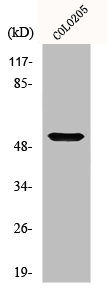
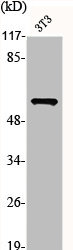
Synthesized peptide derived from the C-terminal region of Human Melanopsin.
Immunogen Species
Homo sapiens (Human)
Conjugate
Non-conjugated
Isotype
IgG
Purification Method
The antibody was affinity-purified from rabbit antiserum by affinity-chromatography using epitope-specific immunogen.
Concentration
It differs from different batches. Please contact us to confirm it.
Buffer
Liquid in PBS containing 50% glycerol, 0.5% BSA and 0.02% sodium azide.
Tested Applications
WB, IF, ELISA
Storage
Upon receipt, store at -20°C or -80°C. Avoid repeated freeze.
Lead Time
Basically, we can dispatch the products out in 1-3 working days after receiving your orders. Delivery time maybe differs from different purchasing way or location, please kindly consult your local distributors for specific delivery time.
Note: All of our proteins are default shipped with normal blue ice packs, if you request to ship with dry ice, please communicate with us in advance and extra fees will be charged.
Usage
For Research Use Only. Not for use in diagnostic or therapeutic procedures.
Photoreceptor that binds cis-retinaldehydes. Contributes to pupillar reflex, photoentrainment and other non-image forming responses to light. May be involved in the optokinetic visual tracking response. May be involved in the regulation of retinal hyaloid vessel growth and regression.
Gene References into Functions
Valuable insight into the structure-function relationships of human melanopsin, including several key functional residues of the melanopsin protein. The identification of melanopsin variants with significantly altered function may serve to detect individuals with disrupted melanopsin-based light perception, and potentially highlight those at increased risk of sleep disturbance, circadian dysfunction, and visual disorders.PMID:29700553
The wide distribution of OPN4 in central areas of the human brain evokes a question whether ambient light has important straight targets in the human brain outside the retinohypothalamic tract.PMID:27690288
Trait-like individual differences in the melanopsin phototransduction circuitry contribute to individual differences in sleep timing. Blue light-sensitive young individuals are more prone to delayed sleep.PMID:27091519
The light-induced FOS response in melanopsin expressing HEK-293 cells is correlated with melanopsin quantity and dependent on light duration and irradiance.PMID:24909488
By broadening the tuning of intrinsically photosensitive retinal ganglion cells, melanopsin tristability produces signal integration.PMID:25741728
The response of the human pupil to the separate stimulation of the cones and melanopsin at a range of temporal frequencies under photopic conditions, was measured.PMID:25313040
Studied OPN4*Ile394Thr gene polymorphism in association with sleep/wake timing.PMID:24887407
The results of this study showed that the post illumination pupil response varied on the basis of OPN4 I394T genotype among individuals with seasonal affective disorder.PMID:23809464
Studied the association between melanopsin gene polymorphism and pupillary light reflex under diverse photic conditions, including different intensities and wavelengths.PMID:24119231
A comparison of melanopsin with the mechanisms documented for vertebrate (bovine) and invertebrate (squid) visual photoreceptors shows that such a mechanism is not affected by the diversity of the three chromophore cavities.PMID:24449866
Significant interaction between the genotype of I394T (TT versus TC+CC) and luminance levels was found in pupil size.PMID:23555953
An action spectrum for the calcium response in cells expressing human melanopsin had the predicted form for an opsin : vitamin A1 pigment and peaked at 479 nm. The G-protein selectivity and spectral sensitivity of human melanopsin is similar to that previously described for rodents.PMID:23554393
the results indicate that ectopic expression of human OPN4 in orexin neurons enables long-lasting activation of orexin neurons by blue light to control sleep/wakefulness of the mice.PMID:22868039
These results suggest that the P10L TT genotype of melanopsin interacts with daylength to predispose individuals to vary in sleep onset and chronotype as a function of daylength.PMID:22881342
The relative contribution of melanopsin and visual photoreceptors are assessed by comparing pupillary light reflex responses in a totally visually blind patient with normally sighted individuals.PMID:23055493
Melanopsin and mechanisms of non-visual ocular photoreceptionPMID:22074930
The recent advances in the emerging roles of melanopsin and intrinsically photosensitive retinal ganglion cells, are reviewed.PMID:20810319
melanopsin acts as a sensory photopigment, coupled to a native ion channel via a G-protein signalling cascade, to drive physiological light detectionPMID:15674244
an anatomically distinct population of 'giant', melanopsin-expressing ganglion cells in the primate retina that, in addition to being intrinsically photosensitive, are strongly activated by rods and conesPMID:15716953
Regulation of melanopsin expression [review]PMID:16687290
HEK293 cells stably expressing melanopsin have proven to be a useful tool to study melanopsin-initiated signaling.PMID:16961436
Data show that Seasonal Affective Disorder participants have a higher frequency of the melanopsin (OPN4) homozygous minor genotype (T/T) for the missense variant rs2675703 (P10L) than controls, compared to the combined frequencies of C/C and C/T.PMID:18804284