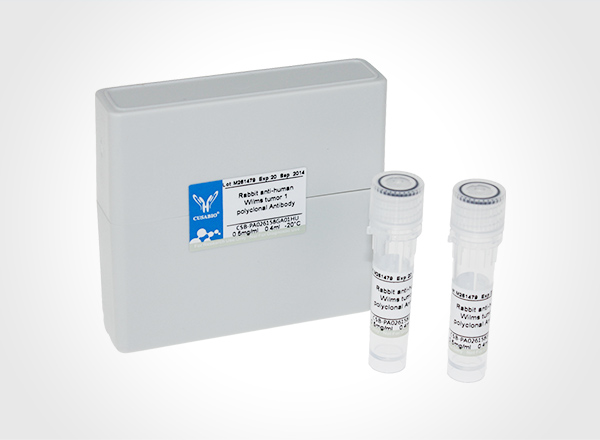
Liquid
Note: We will preferentially ship the format that we have in stock, however, if you have any special requirement for the format, please remark your requirement when placing the order, we will prepare according to your demand.
Upon receipt, store at -20°C or -80°C. Avoid repeated freeze.
Lead Time
Basically, we can dispatch the products out in 1-3 working days after receiving your orders. Delivery time maybe differs from different purchasing way or location, please kindly consult your local distributors for specific delivery time.
Note: All of our proteins are default shipped with normal blue ice packs, if you request to ship with dry ice, please communicate with us in advance and extra fees will be charged.
Usage
For Research Use Only. Not for use in diagnostic or therapeutic procedures.
Prevents the establishment of the cellular antiviral state by inhibiting TRIM25-mediated DDX58 ubiquitination, which normally triggers the antiviral transduction signal that leads to the activation of type I IFN genes by transcription factors IRF3 and IRF7. Prevents human EIF2AK2/PKR activation, either by binding double-strand RNA, or by interacting directly with EIF2AK2/PKR. This function may be important at the very beginning of the infection, when NS1 is mainly present in the cytoplasm. Also binds poly(A) and U6 snRNA.; Inhibits post-transcriptional processing of cellular pre-mRNA, by binding and inhibiting two cellular proteins that are required for the 3'-end processing of cellular pre-mRNAs: the 30 kDa cleavage and polyadenylation specificity factor/CPSF4 and the poly(A)-binding protein 2/PABPN1. In turn, unprocessed 3' end pre-mRNAs accumulate in the host nucleus and are no longer exported to the cytoplasm. Cellular protein synthesis is thereby shut off very early after virus infection. Viral protein synthesis is not affected by the inhibition of the cellular 3' end processing machinery because the poly(A) tails of viral mRNAs are produced by the viral polymerase through a stuttering mechanism.