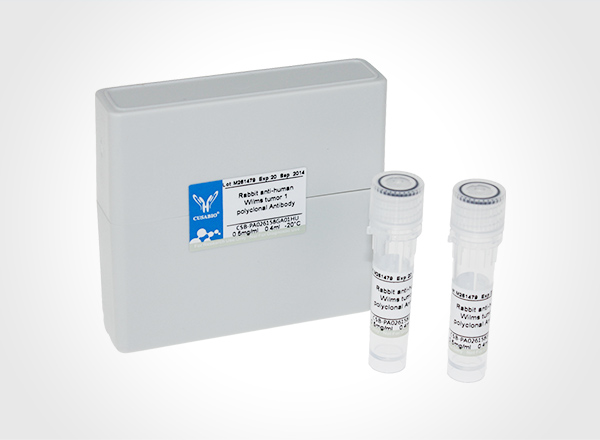
Liquid
Note: We will preferentially ship the format that we have in stock, however, if you have any special requirement for the format, please remark your requirement when placing the order, we will prepare according to your demand.
Storage
Upon receipt, store at -20°C or -80°C. Avoid repeated freeze.
Lead Time
Basically, we can dispatch the products out in 1-3 working days after receiving your orders. Delivery time maybe differs from different purchasing way or location, please kindly consult your local distributors for specific delivery time.
Note: All of our proteins are default shipped with normal blue ice packs, if you request to ship with dry ice, please communicate with us in advance and extra fees will be charged.
Usage
For Research Use Only. Not for use in diagnostic or therapeutic procedures.
As the sensor component of the NLRP6 inflammasome, plays a crucial role in innate immunity and inflammation. In response to pathogens and other damage-associated signals, initiates the formation of the inflammasome polymeric complex, made of NLRP6, PYCARD and CASP1 (and possibly CASP4 and CASP5). Recruitment of proCASP1 to the inflammasome promotes its activation and CASP1-catalyzed IL1B and IL18 maturation and secretion in the extracellular milieu. The precise NLRP6 activation stimulus has not been identified yet. Essential for gut mucosal self-renewal and proliferation. Maintains intestinal homeostasis and a healthy intestinal microbiota. This function is, at least partially, mediated by IL18, and not IL1B, produced by nonhematopoietic cells. Influences intestinal barrier function and microbial homeostasis through the regulation of goblet cell mucus secretion. Acts by promoting autophagy in goblet cells, an essential step for mucus granule exocytosis. Its role in goblet cell physiology is inflammasome-dependent, but IL1B- and IL18-independent. During systemic bacterial infections, may negatively regulate inflammatory signaling and inhibit the influx of monocytes and neutrophils to the circulation and to the peritoneum. May promote peripheral nerve recovery following injury via an inflammasome-independent mechanism.
Gene References into Functions
this review discuss recent findings related to NLRP6 activity, while highlighting outstanding questions and future perspectives in elucidating its roles in health and diseasePMID:28214100
Data suggest that mRNA/protein levels of NLRP6 are down-regulated in synovial tissues and synoviocytes of rheumatoid arthritis (RA) patients compared to osteoarthritis patients; NLRP6 provides docking site to facilitate interaction between TAB2/3 and TRIM38 in RA synoviocytes in response to TNFalpha. (NLRP6 = ; TAB2/3 = transforming growth factor-b-activated kinase 1-binding protein 2/3; TRIM38 = tripartite motif 38)PMID:28295271
Our results revealed an association between NLRP6/AVR and ADM loci with male essential hypertension, suggesting the existence of sex-specific NLRP6/AVR and ADM variants affecting male susceptibility to essential hypertension.PMID:24147025
NLRP6 is a newly characterized member of this family that inhibits NF-kappaB and MAP-kinase dependent immune signaling to hamper anti-microbial defense.PMID:23811097
Studies identify AVR/NAVR as key receptors involved in blood pressure regulation and sex-specific modulation of renal water homeostasis, cognitive function, and anxiety-like behavior.PMID:20923861
AVR is distinct from Nalp6/PYPAF5 based on different mRNA and protein sizes, subcellular localization, and tissue-specific expression patterns.PMID:18413781
The dual AngII/AVP receptor gene N119S/C163R variant exhibits sodium-induced dysfunction and cosegregates with salt-sensitive hypertension in the Dahl salt-sensitive hypertensive rat model.PMID:11984003
This publication deals with the rat ortholog of the human NLRP6 gene.PMID:7489366
PYPAF5 functions in immune cells to coordinate the transduction of pro-inflammatory signals to the activation of NF-kappaB and pro-caspase-1PMID:12387869
Expressed in peripheral blood leukocytes, predominantly in granulocytes and, at lower levels, in CD4(+) and CD8(+) T-cells. Expressed in colonic myofibroblasts (at protein level).