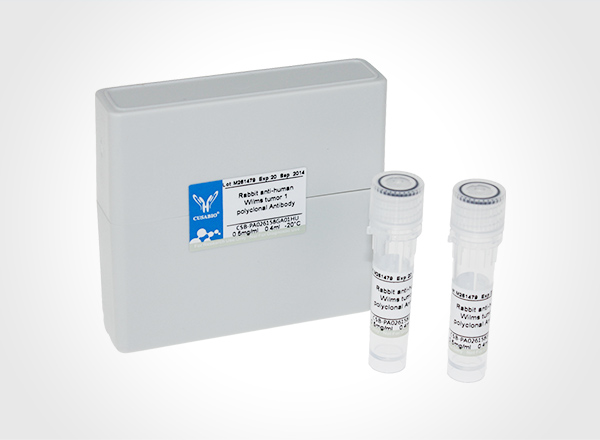
Liquid
Note: We will preferentially ship the format that we have in stock, however, if you have any special requirement for the format, please remark your requirement when placing the order, we will prepare according to your demand.
Storage
Upon receipt, store at -20°C or -80°C. Avoid repeated freeze.
Lead Time
Basically, we can dispatch the products out in 1-3 working days after receiving your orders. Delivery time maybe differs from different purchasing way or location, please kindly consult your local distributors for specific delivery time.
Note: All of our proteins are default shipped with normal blue ice packs, if you request to ship with dry ice, please communicate with us in advance and extra fees will be charged.
Usage
For Research Use Only. Not for use in diagnostic or therapeutic procedures.
Binds peptides derived from antigens that access the endocytic route of antigen presenting cells (APC) and presents them on the cell surface for recognition by the CD4 T-cells. The peptide binding cleft accommodates peptides of 10-30 residues. The peptides presented by MHC class II molecules are generated mostly by degradation of proteins that access the endocytic route, where they are processed by lysosomal proteases and other hydrolases. Exogenous antigens that have been endocytosed by the APC are thus readily available for presentation via MHC II molecules, and for this reason this antigen presentation pathway is usually referred to as exogenous. As membrane proteins on their way to degradation in lysosomes as part of their normal turn-over are also contained in the endosomal/lysosomal compartments, exogenous antigens must compete with those derived from endogenous components. Autophagy is also a source of endogenous peptides, autophagosomes constitutively fuse with MHC class II loading compartments. In addition to APCs, other cells of the gastrointestinal tract, such as epithelial cells, express MHC class II molecules and CD74 and act as APCs, which is an unusual trait of the GI tract. To produce a MHC class II molecule that presents an antigen, three MHC class II molecules (heterodimers of an alpha and a beta chain) associate with a CD74 trimer in the ER to form a heterononamer. Soon after the entry of this complex into the endosomal/lysosomal system where antigen processing occurs, CD74 undergoes a sequential degradation by various proteases, including CTSS and CTSL, leaving a small fragment termed CLIP (class-II-associated invariant chain peptide). The removal of CLIP is facilitated by HLA-DM via direct binding to the alpha-beta-CLIP complex so that CLIP is released. HLA-DM stabilizes MHC class II molecules until primary high affinity antigenic peptides are bound. The MHC II molecule bound to a peptide is then transported to the cell membrane surface. In B-cells, the interaction between HLA-DM and MHC class II molecules is regulated by HLA-DO. Primary dendritic cells (DCs) also to express HLA-DO. Lysosomal microenvironment has been implicated in the regulation of antigen loading into MHC II molecules, increased acidification produces increased proteolysis and efficient peptide loading.
Gene References into Functions
The analysis showed a significant association between rs2187668-(A) allele and idiopathic membranous nephropathy susceptibility, and the intervention of this mutation might bring new therapeutic strategy for idiopathic membranous nephropathyPMID:30383665
we described differences in expression of DQA1 and DQB1 gene alleles in whole-blood cells, monocytes and B lymphocytes. Our findings support the idea that expression level of HLA class II alleles is the result of both promoter- and cell-specific factors.PMID:29663655
The C>G mutation in the HLA-DQA1 gene was associated with the occurrence of Spinal tuberculosis.PMID:29795056
Allelic frequency distributions for SNP rs2187668 within HLA-DQA1 were significantly different between the idiopathic membranous nephropathy and control groups.PMID:28849274
results revealed that a novel independent variant in the promoter of HLA-DQA1 was associated with idiopathic membranous nephropathy in Chinese Han populationPMID:28685717
in the Iranian population, HLA-DQA1*0201 appears to have protective rolePMID:28919585
Using genome-wide association meta-analysis authors discover two regions associated with longevity (HLA-DQA1/DRB1 and LPA).PMID:29030599
HLA-DQA1 was expressed more than 9-fold higher in high-load hepatitis C virus liver patients than in low-load HCV liver patients.PMID:29248968
HLA-DQ4 positive patients have a higher risk of Vogt-Koyanagi-Harada disease. In the results of alleles, risk factor is HLA-DQA1*0301, while protective ones may include HLA-DQA1*0103, 0401, 0501.PMID:29443768
APOBEC3A/B and HLA-DQA1 are powerful biomarkers for systemic sclerosis risk evaluation and contribute to the susceptibility to systemic sclerosis.PMID:27036383
The GG genotype of HLA-DQ rs9277346 was associated with hepatitis B virus infection in the Chinese Han population.PMID:27291710
Single-nucleotide polymorphism in HLA-DQA1 gene is associated with primary membranous nephropathy.PMID:26673907
The presence of the haplotype HLA-DPA1*03 DQA*05 was associated with allergic asthma, and the presence of HLA-DPA1*03 and the absence of HLA-DQA*05 with nonallergic asthma.PMID:28380482
This study found that, among Caucasian patients treated with BoNT/A, DQA1*01:02 are higher in Antibody-positive than in antibody-negative patients.PMID:28385185
Frequency of DQA1*05 was increased in patients with juvenile-onset systemic sclerosis versus controls.PMID:27214100
In the present study, a discriminatory potential of HLA-DQA1/B1 alleles to identify susceptibility to congenital toxoplasmosis and the most severe cases has been shown.PMID:26856406
The protective influence of DRB1*15:01-DQA1*01:02-DQB1*06:02 spans from autoantibody development through all stages of progression, and relatives with this allele only rarely develop T1 diabetes.PMID:26822082
this study shows detailed DNA methylation status and its correlation with expression of each HLA-DQA1 allele in patients with type 1 diabetes mellitusPMID:26854762
The population of a Portuguese Madeira Island is distinguished by the substantial HLA-DQA1 and HLA-DQB1 allele diversity.PMID:28032448
Patients with Latent Autoimmune Diabetes in Adults (LADA) have higher prevalence of thyroid autoimmune diseases. In patients with LADA similarly to type 1 genotype DQA1*0301 seems to CONFER susceptibility to thyroid autoimmunity, and DQB1*0201 to celiac disease.PMID:26884287
HLA-DQ rs9275319 showed a significant association with HBV infection and with natural clearance.PMID:27236152
the DQA1*01:02:01G allele frequency was significantly lower (Pc=0.042) among newborns born by women with severe preeclampsia/eclampsia compared with controls.PMID:27121092
Two missense SNPs, rs12722042 and 12722039, in the HLA-DQA1 gene yielded the highest effect sizes (odds ratio [OR] approximately 14; P <0.01) for sex-specific results. The HLA-DQA1 SNPs belong to DQA1*01 and confirmed the previously reported male-specific association with DQA1*01. This finding supports the proposed infection-related etiology in childhood ALL risk for males.PMID:27861356
A possible pathogenic link that HLA-DQ2/DQ8 positivity, in presence of exogenous still unknown stimuli, may favor an immune condition with detrimental effects during early stages of pregnancy.PMID:26883458
Genetic polymorphism of the HLADQA1 gene in Recurrent Respiratory Papillomatosis patients in combination with carriage of type 16 human papilloma virus can be used for the prognosis of the severity HLADQA1of this disease.PMID:27500575
The Sonora, Mexico HLA-DQ risk heterodimer proportion was 16.1% for HLA-DQ2 and 13.6% for HLA-DQ8, with an HLA-DQ2:HLA-DQ8 ratio of 1.2:1. The DQ8/DQ2 genotype represented a 1:14 risk for type 1 diabetes, whereas the DQ8/DQB1*0201 combination showed a 1:6 risk for celiac disease.PMID:26088570
HLA-DQA1*0102 and HLA-DQB1*0201 alleles may be involved in the production of anti-beta2-glycoprotein I antibody in recurrent miscarriage patients.PMID:26818121
DQA1*0501 had significant negative association with MuSK myasthenia gravis.PMID:26671138
We found association of three variants in the region harboring genes encoding the class II human leukocyte antigens (HLAs): both located between HLA-DQA1 and HLA-DRB1PMID:26829749
Pharmacoresistant temporal lobe epilepsy associated with mesial hippocampal sclerosis is not determined by HLA class II alleles in the DRB1, DQB1, and DQA1 regions but the HLA DRB1*1302 allele exhibited a tendency to behave as a susceptibility factorPMID:26362370
Suggest that the DQA1*0103/CD74 dimer may result in presentation of unique antigens and susceptibility to develop arthritis.PMID:26524976
HLA-DQA1 alleles contribute to the susceptibility of unexplained recurrent spontaneous abortion among ethnic Han Chinese.PMID:26829741
No significant association with tuberculosis risk was found in any HLA-DQA1 allele.PMID:26007157
The protective effects against type 1 diabetes mellitus of HLA-DQA1*01:01, HLA-DQB1*05:03, *06:02, *06:03, and *06:04 were robustly suggested by all indicators of meta-analyses. (Meta-analysis)PMID:26095634
In Asian population, the protective gene HLA-DQB1*0303 and the susceptible genes HLA-DQB1*0401, HLA-DQA1*0103 and HLA-DQA1*0301 in Helicobacter pylori infection were established by meta-analysis.PMID:25773770
A three-way interaction between SNPs in HLA-DQ and GNLY was identified in terms of HBV clearance.PMID:25644528
lamotrigine-induced cutaneous adverse drug reactions are associated with HLA-DRB1*0405, -DQB1*0401 and -DQA1*0303PMID:25845749
Our results showed significant association of 10 single nucleotide polymorphisms (SNPs) with T1D at p<0.01, including HLA-DQA1/rs9272346, whereas 5 more SNPs showed their association at 0.01PMID:25661663
Data indicate interactions for 11 of 21 pairs of common HLA-DRB1-HLA-DQA1-HLA-DQB1 haplotypes.PMID:26168013
Closed-tube human leukocyte antigen DQA1 *05 genotyping assay based on switchable lanthanide luminescence probes.PMID:25120130
The HLA typing results revealed that HLA DQA1*0501, HLA DQB1*0302, and HLA DRB1*11 alleles were common in all four family members with focal epithelial hyperplasia. HLA DRB1*04 allele was detected in three of them.PMID:24738569
HLA-DQA1 missense mutation is a genetic risk factor in the development of steroid sensitive nephrotic syndrome.PMID:25349203
In this study, we found that the SNP of rs9272219 in HLA-DQA1 is a potential susceptibility locus in rheumatoid arthritis of Han Chinese populationPMID:25550865
highlights a potential contribution to MS risk also from interisotypic combination between products of neighboring HLA-DR15 haplotype alleles, in this case the DQA1/DRB1 combination.PMID:25911099
The most frequent alleles were HLA-DQA1*03:01 (13.1%) in Kazakh population.PMID:25531278
A significant correlation was found between worldwide wheat consumption and HLA DQ2 (p=0.01) and the sum of DQ2 and DQ8 (p=0.01) frequencies. Wheat consumption and HLA-DQ2 tend to co-localize in different continents.PMID:25200477
The HLA-DQ2/2 genotype may predispose to obesity among 2-4-year-old children with genetic risk for type 1 diabetes.PMID:24694666
all CD patients had at least one of the CD-associated alleles, and the highest CD risk was indicated by the presence of the HLA-DQ2.5 heterodimer (HLA-DQA1*05-DQB1*02) with HLA-DQB1*02 in homozygosity.PMID:25413104
DQA1 carriage, allele and DQA1-DQB1 and DRB1-DQA1-DQB1 haplotype frequencies, linkage disequilibria and related values are presented.PMID:25345618
Data show there was strong epistasis between HLA-DQA1 single nucleotide polymorphism rs2187668 and the phospholipase A2 receptor 1 (PLA2R1) variant rs35771982.PMID:25187357
Show
More
Hide
All
Subcellular Location
Cell membrane; Single-pass type I membrane protein. Endoplasmic reticulum membrane; Single-pass type I membrane protein. Golgi apparatus, trans-Golgi network membrane; Single-pass type I membrane protein. Endosome membrane; Single-pass type I membrane protein. Lysosome membrane; Single-pass type I membrane protein. Note=The MHC class II complex transits through a number of intracellular compartments in the endocytic pathway until it reaches the cell membrane for antigen presentation.