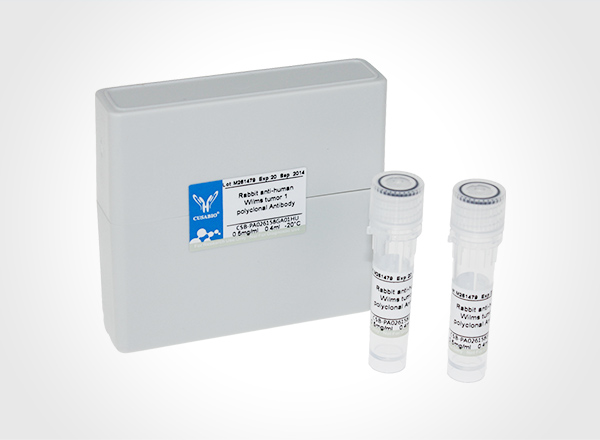
Upon receipt, store at -20°C or -80°C. Avoid repeated freeze.
Lead Time
Basically, we can dispatch the products out in 1-3 working days after receiving your orders. Delivery time maybe differs from different purchasing way or location, please kindly consult your local distributors for specific delivery time.
Note: All of our proteins are default shipped with normal blue ice packs, if you request to ship with dry ice, please communicate with us in advance and extra fees will be charged.
Usage
For Research Use Only. Not for use in diagnostic or therapeutic procedures.
Tyrosine-protein kinase that acts as a cell-surface receptor for VEGFC and VEGFD, and plays an essential role in adult lymphangiogenesis and in the development of the vascular network and the cardiovascular system during embryonic development. Promotes proliferation, survival and migration of endothelial cells, and regulates angiogenic sprouting. Signaling by activated FLT4 leads to enhanced production of VEGFC, and to a lesser degree VEGFA, thereby creating a positive feedback loop that enhances FLT4 signaling. Modulates KDR signaling by forming heterodimers. The secreted isoform 3 may function as a decoy receptor for VEGFC and/or VEGFD and play an important role as a negative regulator of VEGFC-mediated lymphangiogenesis and angiogenesis. Binding of vascular growth factors to isoform 1 or isoform 2 leads to the activation of several signaling cascades; isoform 2 seems to be less efficient in signal transduction, because it has a truncated C-terminus and therefore lacks several phosphorylation sites. Mediates activation of the MAPK1/ERK2, MAPK3/ERK1 signaling pathway, of MAPK8 and the JUN signaling pathway, and of the AKT1 signaling pathway. Phosphorylates SHC1. Mediates phosphorylation of PIK3R1, the regulatory subunit of phosphatidylinositol 3-kinase. Promotes phosphorylation of MAPK8 at 'Thr-183' and 'Tyr-185', and of AKT1 at 'Ser-473'.
Gene References into Functions
VEGFR3 has a role in lymphatic vessel hyperplasia through cell-autonomous and non-cell-autonomous mechanismsPMID:29615616
These results suggest functional interactions among ATX, VEGFR-2, and VEGFR-3 in the modulation of hemovascular and lymphovascular cell activation during vascular development.PMID:30456868
VEGFR-3 and CAV3 expression demonstrated immunohistochemically in SMCs of the tunica media of SV grafts predicted their early restenosis in triple-vessel CAD patients. CAV2 protein expression in SMCs of ITA grafts indicated the risk of early graft failure both in double-vessel and triple-vessel CAD subjects.PMID:29557990
Single nucleotide polymorphism of VEGFR3 is associated with relapse in gastroenteropancreatic neuroendocrine neoplasms.PMID:29787601
VEGFR3 single nucleotide polymorphisms association with lymphedema caused by Wuchereria bancrofti.PMID:29122006
The results imply a very good sensitivity of VEGFR-3 in ESCC. VEGFR-3 may be a good diagnostic biomarker for ESCC.PMID:28447586
VEGFR-3 expression was associated with depth of invasion and lymph node metastasis in gastric cancerPMID:28939099
The finding of rare LAMA5 variants together with FLT4 in Milroy disease suggests that these mutations may be co-responsible for these disorders and most likely interfere with the function of lymphatics.PMID:29908552
Rare inherited and de novo variants in 2,871 congenital heart disease probands identified GDF1, MYH6, and FLT4 as causative genes.PMID:28991257
There was a significant decrease in VEGFR3 expression in pulmonary arterial endothelial cells from pulmonary arterial hypertension patients.PMID:28356442
By treating LECs with VEGF-C156S and analyzing subsequent changes in gene expression, we identified several 'immediate early' transcription factors that showed a rapid transient upregulation VEGFR-3 stimulation. these results reveal an important and unanticipated role of HOXD10 in the regulation of VEGFR-3 signaling in lymphatic endothelial cells, and in the control of lymphangiogenesis and permeability.PMID:27199372
These results indicate that VEGF-C-induced MSC osteogenesis is mediated through VEGFR2 and VEGFR3, and followed the activation of the ERK/RUNX2 signaling pathway.PMID:28163024
Assessment of VEGFR-2/VEGFR-3 on tumor samples might serve as a putative prognostic factor in renal cell carcinoma cases, identifying a subset of patients that may benefit from antiangiogenic treatments targeting VEGFR receptors.PMID:27837630
This study suggests that NRP1 expression and LVD are independent factors that are likely to predict the risk of LN metastasis in squamous cell carcinoma (SCC)of the tongue, whereas the expression of VEGFC, VEGFR3, CCR7, and SEMA3E are nonindependent predictive factorsPMID:27666723
The summarizes the structure and function features of pathway-related molecules of VEGFC/D-VEGFR3/NRP2 axis, stages of various tumors and their molecular mechanisms and significances in tuthe expression changes of these molecules in different anatomic organs or histopathologic types or development lymphatic metastasis.PMID:27527412
this study uncovers a unique molecular mechanism of lymphangiogenesis in which galectin-8-dependent crosstalk among VEGF-C, podoplanin and integrin pathways plays a key role.PMID:27066737
Report FLT4 genetic alterations in angiosarcomas.PMID:26735859
Data indicate that foretinib suppresses angiogenesis and lymphangiogenesis by blocking vascular endothelial growth factor receptorsPMID:25909285
Genistein suppresses FLT4 and inhibits human colorectal cancer metastasis.PMID:25605009
A Novel Missense Mutation in FLT4 Causes Autosomal Recessive Hereditary LymphedemaPMID:26091405
Missense mutations in VEGFR3 confirmed Milroy disease in two unrelated patients.PMID:25896638
Case Reports: novel FLT4 gene mutation in a Chinese family with Milroy disease.PMID:26714373
TNFR1 has a role in mediating TNF-alpha-induced tumour lymphangiogenesis and metastasis by modulating VEGF-C-VEGFR3 signallingPMID:25229256
Experiments in mice and zebrafish demonstrate that changing levels of VEGFR3/Flt4 modulates aortic lumen diameter consistent with flow-dependent remodelingPMID:25643397
VEGFR-3 is a new target to improve net ultrafiltration in methylglyoxal-induced peritoneal injury by suppressing lymphatic absorptionPMID:26121315
the best characterized of these signaling pathways, that involving the vascular endothelial growth factor (VEGF) family members VEGF-C and VEGF-D, together with their receptors VEGFR2 and VEGFR3.PMID:25399804
Although MYC is a valuable ancillary tool in distinguishing angiosarcomas from atypical vascular lesions , FLT4 immunohistochemistry may be used to screen for patients with FLT4 gene amplificationPMID:25864386
Expression of VEGFR-3 was highly correlated with tumor metastasis in prostate cancer patients.PMID:24858271
Neuropilin-2 mediates lymphangiogenesis of colorectal carcinoma via a VEGFC/VEGFR3 independent signaling.PMID:25543087
High CD31 expression associated significantly with better survival and VEGFR3 had no association with survival. Both higher tumor grade and stage were associated with a decreased survival timePMID:25667475
analysis of how VEGF, VEGFR3, and PDGFRB protein expression is influenced by RAS mutations in medullary thyroid carcinomaPMID:24754736
VEGFR3 lymphatic endothelium signaling involves regulation of AKT activation via VEGFR3/VEGFR2/neuropilin 1 complex, ERK via VEGFR3/R3 homodimer, as well as regulatory roles of VE-PTP.PMID:25524775
increased expression in tumors of Ang-2 may individually, or in combination with VEGFR-3, predict poor prognosis of OSCCPMID:24040410
VEGF-C down-regulates VEGFR-3 in lymphatic endothelial cellsPMID:25281926
Increase of VEGFR3 protein expression is associated with oral squamous cell carcinoma.PMID:24085575
Data suggest that VEGFC (vascular endothelial growth factor C) enhances cervical cancer invasiveness via up-regulation of galectin-3 via stimulation of NFkappaB/RELA pathway; galectin-3 interacts/activates VEGFR3.PMID:24650367
The expressions of VEGF-A, VEGFR2 and VEGFR3 were studied in by immunohistochemistry in 76 endometrial carcinoma specimens. VEGFR2 and VEGFR3 receptor expression were also studied by qRT-PCR in 17 tumors in comparison to normal endometrium.PMID:24845798
The present findings suggest the potential role of VEGF-C in the pathogenesis and development of a pterygium through lymphangiogenesis and the VEGF-C/VEGFR-3 pathway as a novel therapeutic target for the human pterygium.PMID:22910845
These findings suggest that the VEGFC/VEGFR3 pathway acts as an enhancer of ovarian cancer progressionPMID:24508126
A novel GC-rich element (GRE) spanning -101/-66 sufficient for VEGFR3 transcription and activated by Sp1 and Sp3, respectively, was identified.PMID:24710631
Case Report: FLT4 missense mutation in Milroy disease.PMID:25109169
probe F2 facilitated the identification of the target spectrum of the two inhibitors confirming many of the previously identified (off-) targets such as AURKA, FLT4-VEGFR3, IKBKE and PDGFRbeta.PMID:24184958
The CXCL12-CXCR4 axis may influence the expression of VEGFR3 in urothelial bladder carcinoma and promote tumor recurrence.PMID:24982366
In primary ovarian cancer tissue, VEGFR3 expression, detected with an frequency of 26%, was mostly located in the vascular wall and across the stroma.PMID:24713547
VEGF-C and VEGFR-3 expression was significantly higher in luminal A subtype compared to luminal B.PMID:24398987
Transwell assays revealed that VEGF-C receptor, VEGFR-3, as well as chemokine CCL21 receptor, CC chemokine receptor 7 (CCR7), were responsible for the migration of PC3 cells toward hypoxia preconditioned MSCsPMID:23939705
Lymph node and lung metastases of HEC1A cells were completely suppressed by the muscle-mediated expression of sVEGFR-3.PMID:23614535
unlike an anti-VEGFR-3 Mab (mF4-31C1), DC101 was not capable of eliminating either tumor lymphangiogenesis or lymphogenous metastasis (60 % reduction of lymph node metastasis by DC101 vs 95 % by mF4-31C1).PMID:23591595
Data suggest that circulating VEGFR3/CD34 are biomarkers for epithelial ovarian cancer (EOC); circulating bone marrow-derived lymphatic/vascular endothelial progenitor cells are significantly increased in EOC and correlate with lymph node metastasis.PMID:23803010
Binding of VEGF-C and endostatin to recombinant VEGFR-3 is competitive.PMID:22512651
Show
More
Hide
All
Subcellular Location
Cell membrane; Single-pass type I membrane protein. Cytoplasm. Nucleus.; [Isoform 1]: Cell membrane; Single-pass type I membrane protein. Note=Ligand-mediated autophosphorylation leads to rapid internalization.; [Isoform 2]: Cell membrane; Single-pass type I membrane protein.; [Isoform 3]: Secreted. Cytoplasm.
Protein Families
Protein kinase superfamily, Tyr protein kinase family, CSF-1/PDGF receptor subfamily
Tissue Specificity
Detected in endothelial cells (at protein level). Widely expressed. Detected in fetal spleen, lung and brain. Detected in adult liver, muscle, thymus, placenta, lung, testis, ovary, prostate, heart, and kidney.