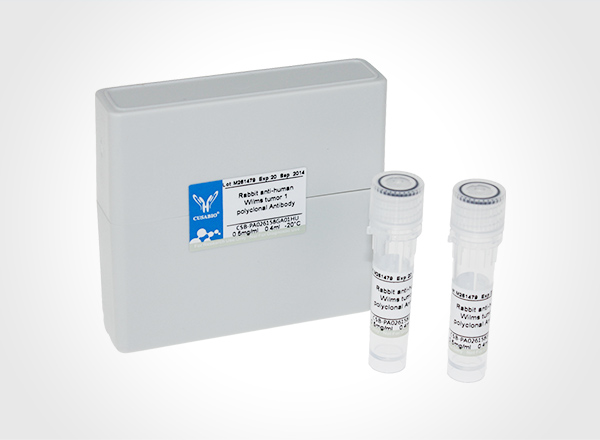
Liquid
Note: We will preferentially ship the format that we have in stock, however, if you have any special requirement for the format, please remark your requirement when placing the order, we will prepare according to your demand.
Storage
Upon receipt, store at -20°C or -80°C. Avoid repeated freeze.
Lead Time
Basically, we can dispatch the products out in 1-3 working days after receiving your orders. Delivery time maybe differs from different purchasing way or location, please kindly consult your local distributors for specific delivery time.
Note: All of our proteins are default shipped with normal blue ice packs, if you request to ship with dry ice, please communicate with us in advance and extra fees will be charged.
Usage
For Research Use Only. Not for use in diagnostic or therapeutic procedures.
Seems to play a role in epithelial tight junction formation. Appears early in primordial forms of cell junctions and recruits PARD3. The association of the PARD6-PARD3 complex may prevent the interaction of PARD3 with JAM1, thereby preventing tight junction assembly. Plays a role in regulating monocyte transmigration involved in integrity of epithelial barrier. Ligand for integrin alpha-L/beta-2 involved in memory T-cell and neutrophil transmigration. Involved in platelet activation.; (Microbial infection) Acts as a receptor for Mammalian reovirus sigma-1.; (Microbial infection) Acts as a receptor for Human Rotavirus strain Wa.
Gene References into Functions
The functional diversity of JAM-A resides to a large part in a C-terminal PDZ domain binding motif which directly interacts with nine different PDZ domain-containing proteins. (Review)PMID:29238845
JAM-A was expressed in all gliomas included in this study. The JAM-A intensity increased with malignancy grade, while its prognostic value was limited.PMID:28677106
JAM-A protein plays protective role in pathogenesis of age related diseases as Atherosclerosis, Apoplexy, thrombosis, Hypertension, Ophthalmological pathology.Short peptides Lys-Glu, Lys-Glu-Asp, and Ala-Glu-Asp-Gly could influence on F11R gene expression leading to recovery of JAM-A synthesis in cells.PMID:28509452
Dysregulation of JAM-A via p63/GATA-3 signaling pathway occurs in squamous cell carcinomas of the head and neck.PMID:27036044
JAM family members differentially regulate CXCR4 function and CXCL12 secretion in the bone marrow niche.PMID:26866290
Our observations suggest that increased expression of JAM-A promotes neoplasia of lung adenocarcinoma. In addition, an anti-JAM-A antibody efficiently reduced cell proliferation and provoked apoptosis, indicating the potential feasibility of JAM-A-inhibitory cancer therapy.PMID:28837251
a new role for CD321 in endothelial cellsPMID:29028806
We have shown that tension on JAM-A activates RhoA to control cell stiffness. Phosphorylation of JAM-A at S284 is required for activation of RhoA and increased cell stiffness in response to tension on the proteinPMID:26985018
Using patient-derived glioblastoma cancer stem cells, we confirmed that JAM-A is suppressed by miR-145PMID:26374689
Screening of a library of human cell surface membrane proteins showed that the Hom-1 vesivirus could utilize human junctional adhesion molecule 1 as a receptor to enter cells and initiate replication.PMID:28196955
Our results showed that APOC3 was closely associated with the inflammatory process in ECs, and that this process was characterized by the increased expression of TNF-alpha. Inflammatory processes further disrupted the tight junctions (TJs) between HUVECs by causing increased expression of JAM-1.PMID:27619170
High expression of junctional adhesion molecule-A and EphB2 can predict poor overall survival and high mortality rate, and EphB2 is an independent prognostic biomarker in lung adenocarcinoma patients.PMID:28231727
JAM-A is one of the malignancy markers of HNSCC as well as beta-catenin in histopathology, and the plasma-soluble JAM-A may contribute to a serum diagnosis of HNSCC. JAM-A is a promising molecular target for diagnosis and therapy in HNSCC.PMID:27115511
F11R mrna expression was higher in rheumatoid arthritis patients, but promoter polymorphisms did not appear to be related to disease susceptibility.PMID:26230081
Data indicate that junctional adhesion molecule-A (JAM-A) is overexpressed in multiple myeloma (MM) cells and regulates reovirus sensitivity in MM.PMID:26513296
JAM-A regulates the planar orientation of the mitotic spindle during epithelial morphogenesis. It triggers transient activation of Cdc42 and PI3K, generates a gradient of PtdIns(3,4,5)P3 at the cortex and regulates the formation of the actin cytoskeleton.PMID:26306570
Data indicate that junctional adhesion molecule A (JAM-A) is a potential target of microRNA-495 {miR-495) in breast cancer cells.PMID:25070379
JAM-A up-regulation can increase the proliferation, cytokine secretion and wound-homing ability of MSCs, thus accelerating the repair rate of full-thickness skin defectsPMID:25994236
JAM-A promotes proliferation and inhibits apoptosis of gastric cancer, suggesting that it has a pivotal role in gastric cancer progression.PMID:25916097
CD14(+)CD16(+) monocytes selectively transmigrated across our BBB model as a result of their increased JAM-A and ALCAM expression.PMID:25420915
Junctional adhesion molecule-A, an epithelial-mesenchymal transition inducer, correlates with metastasis in nasopharyngeal cancer.PMID:25416560
Low JAM-A expression correlates with poor clinical outcome and promotes cell migration and invasion in gastric cancer.PMID:25033702
Redistribution of JAM-A in endothelial cells after stimulation with pro-atherogenic oxidized lipoproteins results in increased transmigration of mononuclear cells.PMID:24704627
trans-dimerization of JAM-A occurs at a unique site and with different affinity compared with dimerization in cis. Trans-dimerization of JAM-A may thus act as a barrier-inducing molecular switch that is activated when cells become confluent.PMID:24672055
JAM-A regulates epithelial permeability via association with ZO-2, afadin, and PDZ-GEF1 to activate Rap2c and control contraction of the apical cytoskeleton.PMID:23885123
the clinical significance of junctional adhesion molecule A (JAM-A) in patients with non-small cell lung cancerPMID:24265754
These studies establish F11R as a novel monocyte prognostic marker for GBM critical for defining a subpopulation of stromal cells for future potential therapeutic intervention.PMID:24147027
JAM-A(ov) MSCs migrated into the HF sheath and remodeled HF structure effectively.PMID:24558164
JAM-A recruits Csk to the integrin-c-Src complex, where Csk negatively regulates c-Src activation, thereby suppressing the initiation of outside-in signaling.PMID:24300854
The entry of HIV infected and uninfected CD14(+)CD16(+) monocytes into the brain was facilitated by significantly increased surface JAM-A, ALCAM, CD99, and PECAM-1, as compared to CD14(+) cells that are CD16 negative.PMID:23922698
Our data identify endothelial JAM-A as an important effector molecule integrating atherogenic conditions to direct inflammatory cell entry at predilection sites of atherosclerosis.PMID:24065611
Data indicate that CD9 acts as scaffold and assembles a ternary JAM-A-CD9-alphavbeta3 integrin complex from which JAM-A is released upon bFGF stimulation.PMID:23389628
study concludes that JAM-A is co-expressed with HER2 and associates with aggressive breast cancer phenotypes; speculate that JAM-A may regulate HER2 proteasomal degradation and activityPMID:22751120
Sinonasal epithelium in allergic fungal rhinosinusitis displays increased epithelial permeability and an altered expression of junctional adhesion molecule APMID:22927233
Low expression of junctional adhesion molecule A is associated with metastasis in pancreatic cancerPMID:22549289
Suggest a prognostic and possibly a pathogenic role of JAM-A in arterial hypertension.PMID:22918977
Data suggest that the Reovirus type 3 Dearing (T3D) jin mutants may be useful as oncolytic agents for use in tumors in which reovirus receptor Junction Adhesion Molecule-A (JAM-A) is absent or inaccessible.PMID:23110175
JAM-A can interfere with tumor proliferation and suggest that JAM-A is a potential novel target in oncology.PMID:22886345
TGF-beta1 treatment of MCF-7 cells significantly reduced JAM-A mRNA & protein via SMAD activation, & induced cell invasion.PMID:22647687
findings provide compelling evidence of a novel role for JAM-A in driving breast cancer cell migration via activation of Rap1 GTPase and beta1-integrinPMID:21429211
de novo synthesis of F11R in endothelial cells (EC) is required for the adhesion of platelets to inflamed ECs.PMID:21703019
downregulation of JAM-A reduces tumor aggressive behavior by increasing cell susceptibility to apoptosisPMID:21695058
these data identify JAM-A and fascin as novel targets of miR-145, firmly establishing a role for miR-145 in modulating breast cancer cell motility.PMID:20818426
In addition to the previously reported role of F11R in the initiation of plaque formation, F11R plays also an important role in the subsequent growth of atherosclerotic plaques.PMID:20627246
JAM-A expressed on CD34(+) progenitor cells regulates their adhesion to platelets or inflammatory endothelium under high shear stress in vitro and after carotid ligation in vivo or ischemia/reperfusion injury in the microcirculation of mice.PMID:20378847
LFA-1 binding to JAM-A destabilizes the JAM-A homophilic interaction and the greater strength of the LFA-1/JAM-A complex permits it to support the tension needed to disrupt the JAM-A homophilic interaction, allowing leukocyte transendothelial migrationPMID:18849408
Two domains in the N-terminus and 1st Ig-fold of F11R were found, through which M.Ab.F11 triggers platelet aggregation. These 2 regions form an active site within the conformation of this cell adhesion molecule.PMID:12008956
platelets adhere specifically to F11R of cytokine- (TNF-alpha, INF-gamma) stimulated vascular endothelial cellsPMID:12428104
signaling through JAM-1 and alphavbeta3 is necessary for bFGF-induced angiogenesis.PMID:12750158
Show
More
Hide
All
Subcellular Location
Cell junction, tight junction. Cell membrane; Single-pass type I membrane protein.
Protein Families
Immunoglobulin superfamily
Tissue Specificity
Expressed in endothelium, epithelium and leukocytes (at protein level).