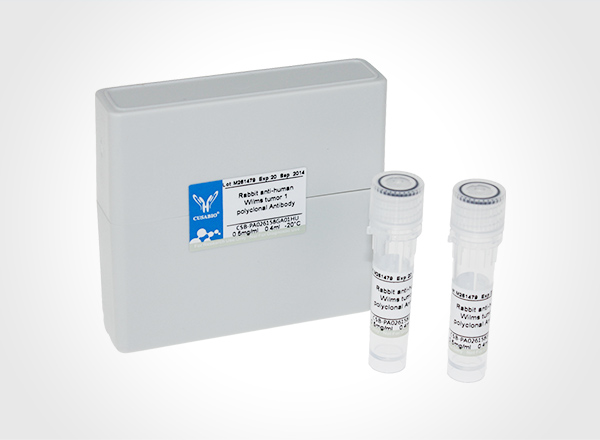
Liquid
Note: We will preferentially ship the format that we have in stock, however, if you have any special requirement for the format, please remark your requirement when placing the order, we will prepare according to your demand.
Storage
Upon receipt, store at -20°C or -80°C. Avoid repeated freeze.
Lead Time
Basically, we can dispatch the products out in 1-3 working days after receiving your orders. Delivery time maybe differs from different purchasing way or location, please kindly consult your local distributors for specific delivery time.
Note: All of our proteins are default shipped with normal blue ice packs, if you request to ship with dry ice, please communicate with us in advance and extra fees will be charged.
Usage
For Research Use Only. Not for use in diagnostic or therapeutic procedures.
Component of the BLOC-1 complex, a complex that is required for normal biogenesis of lysosome-related organelles (LRO), such as platelet dense granules and melanosomes. In concert with the AP-3 complex, the BLOC-1 complex is required to target membrane protein cargos into vesicles assembled at cell bodies for delivery into neurites and nerve terminals. The BLOC-1 complex, in association with SNARE proteins, is also proposed to be involved in neurite extension. Associates with the BLOC-2 complex to facilitate the transport of TYRP1 independent of AP-3 function. Plays a role in synaptic vesicle trafficking and in neurotransmitter release. Plays a role in the regulation of cell surface exposure of DRD2. May play a role in actin cytoskeleton reorganization and neurite outgrowth. May modulate MAPK8 phosphorylation. Appears to promote neuronal transmission and viability through regulating the expression of SNAP25 and SYN1, modulating PI3-kinase-Akt signaling and influencing glutamatergic release. Regulates the expression of SYN1 through binding to its promoter. Modulates prefrontal cortical activity via the dopamine/D2 pathway.
Gene References into Functions
Multilevel ex vivo and in vivo analyses in postmortem brains demonstrate that interaction between antipsychotics and dysbindin-1 is mediated by an imbalance between the short and long isoforms of dopamine D2 receptors, leading to enhanced presynaptic D2 function within the prefrontal cortex.PMID:29891954
Our results suggest that DTNBP1 and NRN1 genes show a joint effect on the risk for schizophrenia spectrum disorders. Although the precise mechanism underlying this effect is unclear, the fact that these genes have been involved in synaptic maturation, connectivity and glutamate signalling suggests that our findings could be of value as a link to the schizophrenia aetiology.PMID:27855309
Study analyzed human-specific dysbindin-1B expression in multiple brain areas in mouse models and showed that dysbindin-1B exerts a dominant-negative effect on the BLOC-1 complex; this effect may lead to cognitive impairment.PMID:27421225
This study demonstrated that BDNF and dysbindin-1 linked to risk for schizophrenia function together to regulate interneuron development and cortical network activity.PMID:26386481
This is the first study to suggest that known and newly described polymorphisms in COMT, BDNF, and DTNBP1, genes associated with executive and memory functions in healthy individuals and other clinical populations may modulate cognitive outcome in patients with brain tumorsPMID:27091610
Data suggest that, in cardiomyocytes, TRIM32 attenuates activation of SRF signaling and hypertrophy due to dysbindin; TRIM24 promotes these effects. TRIM32 promotes dysbindin degradation; TRIM24 protects dysbindin from degradation. (TRIM = tripartite motif-containing protein; SRF = serum response factor)PMID:28465353
In schizophrenia patients, there was a significant association of the rs909706 polymorphism with attention and a nonsignificant trend for set-shifting. The other SNPs and haplotypes were not associated with cognitive function.PMID:27798936
Authors report the examination of DNA methylation status of DTNBP1 promoter region, one of the most credible candidate genes affected in SCZ.PMID:26285059
DTNBP1 is likely to play a role in development of auditory related, visual and olfactory hallucinationsPMID:25697573
dysbindin-1A protein levels are highly regulated in the nucleus and that dysbindin-1A regulates transcription factor NF-kappa B activity to promote the expression of MMP-9 and TNF-alphaPMID:26171858
Study demonstrated that dysbindin-1B, rather than dysbindin-1A and dysbindin-1C, has the ability to aggregatePMID:25704251
The present findings intransgenic mice expressing human DTNBP1 support the role of dysbindin-1 in psychiatric disorders.PMID:25298178
rs3213207 polymorphism may contribute to methamphetamine-induced panic disorderPMID:25303981
Findings add further evidence suggesting an association between dysbindin gene variability and cognitive abnormalities in schizophrenia.PMID:25530342
dysbindin-1 formed a protein complex with HDAC3 in human neuroblastoma cellsPMID:25196196
DISC1 forms a complex with dysbindin and increases its stability in association with a reduction in ubiquitylation.PMID:25635053
In homozygotes and heterozygotes of risk allele (CC) of DTNBP1, there was a trend to volumetric reductions in brain regions, regardless of schizophrenia diagnosis.PMID:25042954
loss of function mutations in the genes encoding dysbindin and its interacting BLOC-1 subunitsPMID:24713699
These data confirm at the level of mouse working memory and human working memory-associated physiology a genetic interaction between COMT and DTNBP1.PMID:24145376
Mecp2 regulates the expression of components belonging to the dysbindin interactomePMID:23750231
The results of this study provided significant effects of the DTNBP1 SNP rs2619522 bilaterally in the hippocampus as well as in the anterior middle frontal gyrus and the intraparietal cortex.PMID:22580710
an allele G of DTNBP1 genes may be considered as a marker for higher CR.PMID:23612411
study suggests that NMDA receptor-mediated signalling genes, DAO, PPP3CC, DTNBP1 might be involved in schizophrenia pathogenic mechanisms related to genderPMID:23497497
the involvement of DTNBP1 not only in the development of attention deficit of schizophrenia, but also in the inter-individual variability of this cognitive domain within the normal functional range.PMID:22911901
Results support a role of DTNBP1 gene variants in the glutamate neurotransmission system in the hippocampus which is compatible with growing evidence of a crucial role of glutamate in the pathobiology of schizophreniaPMID:22283763
The increased expression of dysbindin might play a role in the pathogenesis of drug-refractory temporal lobe epilepsy.PMID:22337344
Dysbindin has been implicated in neurite outgrowth and morphology. Impairments in anatomic connectivity as found associated with the minor Dysbindin allele in our study may result in increased risk for schizophrenia due to altered fiber tractsPMID:22019876
associations between rs2619538 and HVA and 5-5-hydroxyindoleacetic acid concentrations were significant; results suggest genetic variation in DTNBP1 gene affects regulation of dopamine and serotonin turnover in CNSPMID:21295953
Our results suggest that genetic variation in DTNBP1 is associated with differences in gray and white matter; and that these effects are already evident in children as young as 10-12 years.PMID:21639861
Dysbindin-1 gene expression in immortalized lymphocytes from patients with schizophreniaPMID:21512575
Cellular, tissue, and system neurological phenotypes from dysbindin deficiencies individuals affected with schizophrenia, emerge from abnormalities in few core cellular mechanisms controlled by BLOC-1-dysbindin-containing complex.PMID:21520000
The results of this study provided support for dysbindin (DTNBP1) gene variation, particularly SNPs rs1997679 and rs9370822, to be associated with the clinical phenotype of psychotic depressionPMID:20951386
These findings confirm the role of the dysbindin-1 gene in the risk for functional psychosis and show a differential haplotypic risk pattern in families with early as opposed to adult onset in the affected offspring.PMID:21305691
This study determined whether synaptic reductions of Dysbindin-1 are isoform-specific.PMID:21390302
dysbindin haplotype was associated with structural differences in the medial orbitofrontal cortexPMID:21184829
The results of this study suggested that variability in a noncoding sequence of DTNBP1 contributes to individual differences in emotional working memory.PMID:20010894
Genetic variation in DTNBP1 modestly influences general cognitive ability.PMID:21130223
Results showed that these two SNPs in DTNPB1 gene were not related to clinical phenotypes such as melancholia, age at onset, suicidality and co-morbid anxiety disorders.PMID:20822372
DTNBP1 polymorphic genes are involved in different subprocesses of short-term memory both in normal subjects and in patients with schizophreniaPMID:20683774
No associations were detected for any of the symptom factors indicating that the dysbindin risk haplotype does not predispose to a particular group of symptoms in schizophreniaPMID:19760674
Data suggest that DTNBP1 is a good candidate for schizophrenia risk and rs9370822 is either functionally important or in disequilibrium with a functional SNP.PMID:20615671
Our results identified the impact of DTNBP1 on the development of a specific attention deficit via modulation of a left prefrontal network.PMID:20846375
the nucleocytoplasmic shuttling of dysbindin-1 regulates synapsin I expression and thus may be involved in the pathogenesis of schizophrenia.PMID:20921223
This study is the first to report an association of a frequent variant of the DTNBP1 gene (AG/GG of rs2619528) with an electrophysiological measure of prefrontal brain function in patients with schizophrenia.PMID:20180862
suggests that there is a common underlying molecular defect involving DTNBP1 that contributes to the development of several anxiety and addictive disorders that are generally recognised as separate clinical conditionsPMID:20615259
Results identify a distinct, and potentially widespread function of dysbindin in promoting the sorting of specific GPCRs to lysosomes after endocytosis.PMID:20174469
To investigate dysbindin function in the brain could shed light on the etiology of schizophrenia and lead us to new hypotheses, novel diagnostic tools, and more effective therapies for the disorderPMID:20666140
DTNBP1 variations are possibly associated with some symptoms of schizophrenia, which could partly explain the relationship between the susceptibility gene DTNBP1 and that diseasePMID:20598229
This study could not replicate previous association findings between Dysbindin and in schizophrenia one of the largest European samples to date.PMID:20083391
Show
More
Hide
All
Subcellular Location
[Isoform 1]: Cytoplasm. Cytoplasmic vesicle membrane; Peripheral membrane protein; Cytoplasmic side. Endosome membrane; Peripheral membrane protein; Cytoplasmic side. Melanosome membrane; Peripheral membrane protein; Cytoplasmic side. Cell junction, synapse, postsynaptic density. Endoplasmic reticulum. Nucleus. Note=Mainly cytoplasmic but shuttles between the cytoplasm and nucleus. Exported out of the nucleus via its NES in a XPO1-dependent manner. Nuclear localization is required for regulation of the expression of genes such as SYN1. Detected in neuron cell bodies, axons and dendrites. Mainly located to the postsynaptic density. Detected at tubulovesicular elements in the vicinity of the Golgi apparatus and of melanosomes. Occasionally detected at the membrane of pigmented melanosomes in cultured melanoma cells. The BLOC-1 complex associates with the BLOC-2 complex in early endosome-associated tubules.; [Isoform 2]: Cytoplasm. Cytoplasmic vesicle membrane; Peripheral membrane protein; Cytoplasmic side. Cytoplasmic vesicle, secretory vesicle, synaptic vesicle membrane; Peripheral membrane protein; Cytoplasmic side. Endosome membrane; Peripheral membrane protein; Cytoplasmic side. Melanosome membrane; Peripheral membrane protein; Cytoplasmic side. Cell junction, synapse, postsynaptic cell membrane. Endoplasmic reticulum. Nucleus. Note=Shuttles between the cytoplasm and nucleus. Exported out of the nucleus via its NES in a XPO1-dependent manner. Nuclear localization is required for regulation of the expression of genes such as SYN1. Mainly expressed in the dendritic spine. Predominantly a synaptic vesicle isoform but also highly expressed in the nucleus. The BLOC-1 complex associates with the BLOC-2 complex in early endosome-associated tubules. Associated with the AP-3 complex at presynaptic terminals.; [Isoform 3]: Cytoplasm. Cytoplasmic vesicle membrane; Peripheral membrane protein; Cytoplasmic side. Cytoplasmic vesicle, secretory vesicle, synaptic vesicle membrane; Peripheral membrane protein; Cytoplasmic side. Endosome membrane; Peripheral membrane protein; Cytoplasmic side. Melanosome membrane; Peripheral membrane protein; Cytoplasmic side. Cell junction, synapse, postsynaptic cell membrane. Endoplasmic reticulum. Note=Exclusivley cytoplasmic. Predominantly found in the postsynaptic density (PSD). Little association with synaptic vesicles. The BLOC-1 complex associates with the BLOC-2 complex in early endosome-associated tubules. Associated with the AP-3 complex at presynaptic terminals.
Protein Families
Dysbindin family
Tissue Specificity
Detected in brain, in neurons and in neuropil. Isoform 1 is expressed in the cerebral cortex, and hippocampal frontal (HF). Specific expression in the posterior half of the superior temporal gyrus (pSTG). Higher expression of isoform 2 and 3 in the HF tha