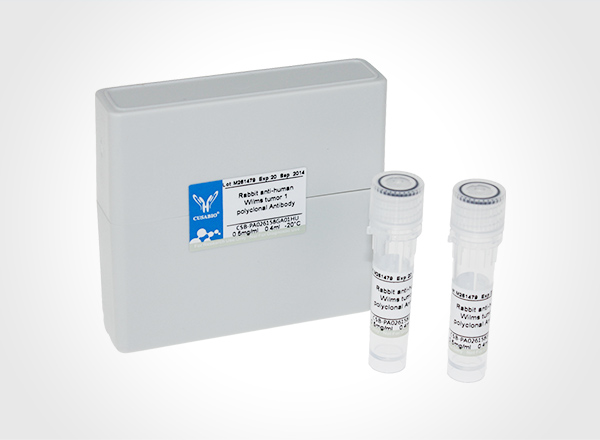
Liquid
Note: We will preferentially ship the format that we have in stock, however, if you have any special requirement for the format, please remark your requirement when placing the order, we will prepare according to your demand.
Storage
Upon receipt, store at -20°C or -80°C. Avoid repeated freeze.
Lead Time
Basically, we can dispatch the products out in 1-3 working days after receiving your orders. Delivery time maybe differs from different purchasing way or location, please kindly consult your local distributors for specific delivery time.
Note: All of our proteins are default shipped with normal blue ice packs, if you request to ship with dry ice, please communicate with us in advance and extra fees will be charged.
Usage
For Research Use Only. Not for use in diagnostic or therapeutic procedures.
Non-receptor serine/threonine protein kinase which is necessary for the maintenance of skeletal muscle structure and function. May play a role in myocyte differentiation and survival by regulating the integrity of the nuclear envelope and the expression of muscle-specific genes. May also phosphorylate PPP1R12A and inhibit the myosin phosphatase activity to regulate myosin phosphorylation. Also critical to the modulation of cardiac contractility and to the maintenance of proper cardiac conduction activity probably through the regulation of cellular calcium homeostasis. Phosphorylates PLN, a regulator of calcium pumps and may regulate sarcoplasmic reticulum calcium uptake in myocytes. May also phosphorylate FXYD1/PLM which is able to induce chloride currents. May also play a role in synaptic plasticity.
Gene References into Functions
The motor function (MRCSS and 6MWT) and CTG repeat length of DMPK significantly correlated with LV diastolic dysfunction in patients with myotonic dystrophy type 1.PMID:30094526
Variant repeats might explain a part of the phenotypic variability in a small percent of myotonic dystrophy type 1 patients and likely display a stabilizing effect on the meiotic instability of DMPK expanded allelesPMID:28942489
Haplotype analysis using various polymorphic-markers in proximity to DMPK gene indicates that a single founder mutation originates myotonic dystrophy type 1 in Mexico; however, Y-STR haplogroups data and the presence of pre-mutated and large normal alleles in Amerindians support the hypothesis that both European and Amerindian ancestral chromosomes might have introduced the disease to the Mexican population.PMID:29054426
Patients with myotonic dystrophy type 1 (DM1) may have a slight decrease in renal function that cannot be explained by a higher occurrence of risk factors for renal failure such as diabetes, hypertension or age. In addition, there was no correlation between CTG repeats, a marker of disease severity, and renal function.PMID:29029879
Interruptions within the DMPK expanded alleles could also interfere with the chromatin structure, the transcriptional activity of the Myotonic dystrophy type 1 (DM1) locus and the interaction with RNA CUG-binding proteinsPMID:27991661
A second point is that DM mutations, although located in noncoding regions, may reduce the expression of mutant alleles, raising questions whether loss-of-function may contribute to the phenotype, or possibly impose a safety limit on knockdown therapies that create or aggravate a DMPK or CNBP deficiency statePMID:28376341
(CTG)>18 frequency of 3.60%, 1.57% and 4.00% in the Malay, Chinese and Indian subpopulations of Malaysia were discovered.PMID:28363916
The patients with DM1 nucleotide expansion (CTG) mutation showed widespread abnormalities of all DTI parameters in the white matter, which were associated with reduced gray matter volume in all brain lobes and thinning in parieto-temporo-occipital cortices.PMID:27330968
Our work suggests that DM1 patients are at risk for Fuchs' endothelial corneal dystrophy (FECD). DMPK mutations contribute to the genetic burden of FECD but are uncommon. We establish a connection between two repeat expansion disorders converging upon RNA-MBNL1 foci and FECD.PMID:28886202
findings thus suggest that nuclear retention may be a common feature of regulation of DMPK RNA expression. The typical forced nuclear residence of expanded DMPK transcripts affects this regulation in tissues of DM1 patients, but not through hyperadenylation.PMID:28435090
Data, including data from studies on synthetic RNA modeling RNA repeat expansions found in patients with Huntington's disease (mRNA for exon 1 of Huntingtin protein) and myotonic dystrophy type 1 (mRNA for 3prime untranslated region of dystrophia myotonica-protein kinase), suggest internal loops of r(3xCAG) are stabilized by one-hydrogen bond AA pairs, while those of r(3xCUG) prefer one- or two-hydrogen bond UU pairs.PMID:28617590
Analysis of five intergenerational transmissions revealed a substantial intrafamilial stability of the DM1 mutation among relatives.PMID:27876818
Methylation upstream of the expanded DMPK CTG repeat occurs exclusively with maternal transmission and that it is somehow linked to the development of congenital myotonic dystrophy.PMID:28257691
Study shows DMPK expression with a complex pattern of tissue-specific epigenetics consistent with evidence that normal tissue require careful regulation of its RNA and protein levels which might include cis-acting regulatory elements in neighboring genes.PMID:26756355
Sense DMPK RNA foci clearly co-localize with MBNL1 and MBNL2 proteins and accumulate in myotonic dystrophy 1 tissues during development.PMID:26339785
This study supports the idea that genetic abnormalities in DM1mainly target the white matter, but gray matter involvement is also crucial in determining the clinical characteristics of myotonic dystrophy type 1.PMID:26214024
that genome modification may be used to generate genetically modified progenitor cells as a first step toward autologous cell transfer therapy for Myotonic dystrophy type 1PMID:25702800
miR-206 and miR-148a regulate the DMPK transcript and may functionally cooperate.PMID:26304544
Three SNP loci (rs915915, rs1799894, and rs10415988) associated with a high chance of myotonic dystrophy in Yakut population.PMID:26310035
In conclusion, our data suggest that the frequency of DMPK mutation carriers and the prevalence of DM1 in the Korean population might be higher than those reported in other ethnicities. SupportingPMID:24274137
This study found a correlation between CTG expansion and age of onset, temporalis wasting and mental disability.PMID:24417793
The results show that a DEAD-box helicase, DDX6, interacts with CUG-expanded DMPK-mRNA in primary fibroblasts from dystrophia myotonica type 1 patients.PMID:24792155
This study demonstrates the feasibility of carrying out longitudinal in vivo studies of muscle function over several months in a mouse model of myotonic dystrophy confirming the feasibility of this method to test preclinical therapeutics.PMID:24139022
The mismatch repair components MSH2, MSH3 and MSH6 were highly expressed in iPSCs compared with fibroblasts, and only occupied the DMPK1 gene harboring longer CTG.CAG triplet repeatsPMID:23933738
This work may shed light on the alteration of this class of non-coding RNA as an additional molecular mechanisms involved in DM1 pathophysiology.PMID:23196502
Together with HK II and Src, mitochondrial DMPK is part of a multimolecular complex endowed with antioxidant and pro-survival properties.PMID:24136222
DMPK alleles in the samples cover four of five DM1 clinical categories: normal (5 to 34 repeats), mild (50 to 100 repeats), classical (101 to 1000 repeats), and congenital (>1000 repeatsPMID:23680132
The results of this study supported the conclusion that different patterns of CCG interruptions within the CTG array could modulate the DM1 clinical phenotype, variably affecting the mutational dynamics of the variant repeat.PMID:23263591
These data demonstrate that the human DM1 locus carrying very large expansions induced a variety of molecular and physiological defects in transgenic mice, reflecting DM1 to a certain extent.PMID:23209425
In the DMPK/SIX5 locus, the presence of two potential replication origins presents an opportunity to screen for trans-acting second-site genes and therapeutic agents affecting chromatin structure, DNA replication, and trinucleotide repeats stabilityPMID:22354993
reduced DMPK may contribute to NE instability, a common mechanism of skeletal muscle wasting in muscular dystrophies.PMID:21949239
The results of this study suggested that peripheral neuropathy can be linked to a large CTG expansion and a severe form of DM1.PMID:21760538
analysis of CTG repeats at the DMPK gene in myotonic dystrophy patients and healthy individuals from the Mexican populationPMID:20635151
NMR spectroscopy and molecular dynamics simulation show that the 5'CUG/3'GUC motif found in DM1 RNAs is dynamic.PMID:21204525
Only seven typical patients with myotonic dystrophy from six unrelated families were identified, all with large pathological CTG repeat expansions (> 400 repeats) in the DMPK genePMID:20801043
Methylation of the CpG sites in DMPK locus does not correlate with CTG expansion size or with the congenital form of the disease. The size range of the repeat expansions with methylation was from as small as 300 to as large as 2800 repeats.PMID:20644219
An aberrant MTMR1 expression and signs of altered myofiber maturation were documented in DM1. There was more severe dysregulation of MTMR1 expression in DM1.PMID:20685272
This study showedthat an abnormal activation of the proteolytic Fbox32/ubiquitin-proteasome pathway may contribute to muscle atrophy in these mice and could be involved in the progressive muscle loss observed in the myotonic dystrophy type 1 patients.PMID:20346670
Steinert's disease caused by a dynamic mutation of (CTG) trinucleotide repeats in the 3' untranslated region of the myotonic dystrophy protein kinase gene (DMPK).PMID:20228473
a tail-anchored myotonic dystrophy protein kinase isoform induces perinuclear clustering of mitochondria, autophagy, and apoptosisPMID:19946639
eight years' experience of direct molecular testing for myotonic dystrophy in WalesPMID:11748308
presymptomatic testing in myotonic dystrophy: genetic counselling approachesPMID:11768386
trinucleotide repeat contraction of a paternal expanded DMPK allele back to the normal range detected in the fetus: a pitfall in prenatal diagnosis of myotonic dystrophyPMID:11768387
negative linear correlation of age at onset and average expansion size in juvenile-adult DM1 patients (35 out of 46) whose progenitor allele is less than 245 repeats longPMID:11793472
conclude that mutant DMPK 3'-UTR transcripts disrupt myoblast differentiation by reducing MyoD levels below a threshold required to activate the differentiation programPMID:12427866
Levels of this enzyme are altered, along with muscle development, in congenital myotonic dystrophy.PMID:12598332
These studies indicate that homologous recombination strongly destabilizes long tracts of CTG repeats from DMPKPMID:12697816
enhancement of activity through homodimerization of coiled-coil regionsPMID:12832055
the N-terminus of DMPK plays an important role in DMPK kinase activity, and that the C-terminus of DMPK determines the intracellular localization of the proteinPMID:14607980
Show
More
Hide
All
Subcellular Location
Endoplasmic reticulum membrane; Single-pass type IV membrane protein; Cytoplasmic side. Nucleus outer membrane; Single-pass type IV membrane protein; Cytoplasmic side. Mitochondrion outer membrane; Single-pass type IV membrane protein. Sarcoplasmic reticulum membrane. Cell membrane. Cytoplasm, cytosol.; [Isoform 1]: Mitochondrion membrane.; [Isoform 3]: Mitochondrion membrane.
Protein Families
Protein kinase superfamily, AGC Ser/Thr protein kinase family, DMPK subfamily
Tissue Specificity
Most isoforms are expressed in many tissues including heart, skeletal muscle, liver and brain, except for isoform 2 which is only found in the heart and skeletal muscle, and isoform 14 which is only found in the brain, with high levels in the striatum, ce