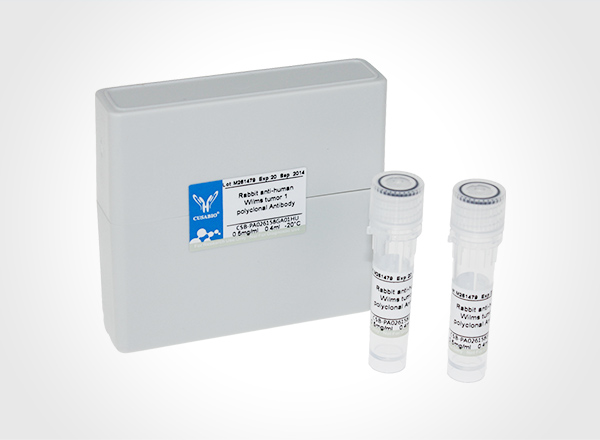
liquid
Note: We will preferentially ship the format that we have in stock, however, if you have any special requirement for the format, please remark your requirement when placing the order, we will prepare according to your demand.
Upon receipt, store at -20°C or -80°C. Avoid repeated freeze.
Lead Time
Basically, we can dispatch the products out in 1-3 working days after receiving your orders. Delivery time maybe differs from different purchasing way or location, please kindly consult your local distributors for specific delivery time.
Note: All of our proteins are default shipped with normal blue ice packs, if you request to ship with dry ice, please communicate with us in advance and extra fees will be charged.
Usage
For Research Use Only. Not for use in diagnostic or therapeutic procedures.
Induces a strong chemotactic response. Induces calcium mobilization. Binds to CXCR6/Bonzo. Also acts as a scavenger receptor on macrophages, which specifically binds to OxLDL (oxidized low density lipoprotein), suggesting that it may be involved in pathophysiology such as atherogenesis.
Gene References into Functions
the results of the present study suggested that CXCL16 may regulate the TRL4/NFkappaB/CXCL16 signaling pathway, and that miR146a and miR146b may negatively regulate CXCL16 via this pathway in atherosclerosis in vivo.PMID:30015963
Inflammation accelerates renal tubulointerstitial lesions in mouse model of diabetic nephropathy by increasing the activity of CXCL16 pathway.PMID:29620052
CXCL16 increases the frequency of the miniature excitatory synaptic currents (mEPSCs) and reduces the PPR of evoked excitatory transmission, indicating that the chemokine also modulates and enhances the release of glutamate.PMID:27721466
results indicate that CXCL16 plays a key role in the pathogenesis of renal injury and fibrosis in salt-sensitive hypertension through regulation of bone marrow-derived fibroblast accumulation and macrophage and T cell infiltration.PMID:27353044
Data indicate that chemokine C-X-C ligand 16 (CXCL16) is a critical regulator of liver immune response to acetaminophen (APAP)-induced hepatotoxicity, suggesting a potential strategy for the treatment of drug-induced acute liver failure by targeting CXCL16.PMID:28459937
CXCL16 plays a crucial role in the pathogenesis of cisplatin-induced acute kidney injury through regulation of apoptosis and inflammation.PMID:27191747
These findings suggest that the CXCL16 gene product promotes inflammatory factors and cell infiltration factors, and inhibits the expression of antioxidant factors to accelerate the development of DN, and CXCL16 deficiency attenuates DN may be involved in the AKT signaling pathway.PMID:28478039
Results indicate that CXCL16 plays a pivotal role in the pathogenesis of renal artery stenosis-induced renal injury and fibrosis through regulation of bone marrow-derived fibroblast accumulation and macrophage and T-cell infiltration.PMID:27496882
Simvastatin exerts a protective effect on renal function and structure in mice with ADR nephropathy which related to the decreasing expression of CXCL16 in glomerular podocytes followed by the decreasing endocytosis of ox-LDL in podocytes and inhibition of NF-kappaB pathway activation.PMID:26884839
Serum CXCL16 is increased in severe pancreatitis with infected pancreatic necrosis and identifies patients who benefit from surgical necrosectomyPMID:25661686
injured hepatocytes up-regulated CXCL16 expression, indicating that scavenging functions of CXCL16 might be additionally involved in the pathogenesis of NAFLD.PMID:25372401
role of IFN-gamma, CXCL16, and ADAM10 in oxLDL-induced lipid accumulation in glomerular podocytesPMID:24752304
CXCL16 suppresses liver metastasis of colorectal cancer by promoting TNF-alpha-induced apoptosis by tumor-associated macrophages.PMID:25495942
CXCL16 was constitutively expressed by CX3CR1(+) intestinal dendritic cells (DCs) and coexpressed with IL-23 after Citrobacter rodentium infection.PMID:25456160
CXCL16 expression inhibits liver metastasis in a murine model of colorectal cancer.PMID:23242131
our results indicate that CXCL16 plays a pivotal role in the pathogenesis of angiotensin II-induced renal injury and fibrosis through regulation of macrophage and T cell infiltration and bone marrow-derived fibroblast accumulation.PMID:24060897
CXCL16 triggers platelet activation and adhesion via CXCR6 phosphatidylinositide 3-kinase/Akt signaling and paracrine activation, suggesting a decisive role for CXCL16 in linking vascular inflammation and thrombo-occlusive diseases.PMID:22927331
Induction of experimental autoimmune encephalomyelitis leads to expression of CXCL10 and CXCL16 in immature myeloid cells of draining lymph nodes, in an interferon (IFN)-gamma-dependent manner.PMID:22287719
regulation of CXCL16, ADAM10 and oxLDL expression may be an early event in the onset of diabetic nephropathyPMID:19426159
contributes to the pathogenesis of renal fibrosis by recruiting bone marrow-derived fibroblast precursorsPMID:21816936
Data show that CXCL16 becomes much higher in atherosclerosis, and it could be a potential atherogenic biomarker.PMID:21177121
This study implicates CXCL16 as an additional neutrophil chemoattractant in cerebrospinal fluid in early pneumococcal meningitis.PMID:20874518
An alternatively spliced CXCL16 isoform expressed by dendritic cells is a secreted chemoattractant for CXCR6+ cells.PMID:20181724
Overall, our data indicate that up-regulation of CXCL16 is a common response of tumor cells to radiation, and they have important implications for the use of local radiotherapy in combination with immunotherapy.PMID:20334513
CXCL16 expression is a critical mediator of muscle regenerationPMID:19893053
SR-PSOX/CXCL16 may be involved in CD8+ T cell recruitment through VLA-4 activation and stimulation of IFN-[gamma] production by CD8+ T cells during inflammatory valvular heart disease.PMID:14699018
SR-PSOX/CXCL16 plays important roles in EAE by supporting generation of Ag-specific T cells, as well as recruitment of inflammatory mononuclear cells into the CNS.PMID:15265890
increased IFN-gamma, accompanied by elevation of the scavenger receptor/chemokine CXCL16, was observed in both lesions and spleens after IL18 administrationPMID:15604417
CXCL16, the cell surface ligand for CXCR6, is expressed on sinusoidal endothelial cells, and CXCR6 deficiency resulted in reduced survival in liver natural killer cells.PMID:15799695
Transmembrane chemokine CXCL16 is expressed in the brain by malignant and inflamed astroglial cells, shed to a soluble form and targets not only activated T cells but also glial cells themselves.PMID:15934948
CXCL16 plays a unique role in the maintenance of cardiac allograft tolerance mediated by natural killer T cells.PMID:16081769
CXCL16 is involved in immunological liver injury by regulating T lymphocyte infiltration in liver tissuePMID:16124049
findings suggest that CXCL16 is an important mediator of lymphocyte-stromal interaction within lymphoid tissuesPMID:16410312
These data suggest that scavenger receptor activity mediated by CXCL16 in vivo is atheroprotective.PMID:16880330
These results demonstrate a role for CXCL16 in the control of bacterial colonization of target organs and, more specifically, in the regulation of the cell-mediated arm of the primary response to S. enteritidis.PMID:16982830
CXCL16 is constitutively expressed on the surface of epidermal keratinocytes, released upon cell activation or photodamage and may then target CXCR6-expressing T cells in the dermisPMID:17363916
SR-PSOX/CXCL16 plays an important role in not only the production of IFN-gamma by NKT cells, but also promotion of Th1-inclined immune responses mediated by NKT cells.PMID:18056360
Hyperhomocysteinemia up-regulates CXCL16 leading to increased recruitment of CXCR6(+) lymphocytes and scavenging of modified lipids via a potential involvement of a PPAR-gamma-dependent mechanismPMID:18194461
Data show that the chemokine receptor CXCR6 is highly expressed on glial precursor cells (GPCs) and is induced by its ligand, and that GPCs proliferate and migrate to the sites of CXCL16 production.PMID:18619850
Ionizing radiation markedly enhanced the secretion by mouse and human breast cancer cells of CXCL16; irradiation increased the migration of CD8(+)CXCR6(+) activated T cells to tumorsPMID:18713980
Report increased production of CXCL16 in experimental heart failure: a possible role in extracellular matrix remodeling.PMID:19919988
Show
More
Hide
All
Subcellular Location
Membrane; Single-pass type I membrane protein.
Protein Families
Intercrine alpha (chemokine CxC) family
Tissue Specificity
Widely expressed. Not detected in purified B- and T-cells.