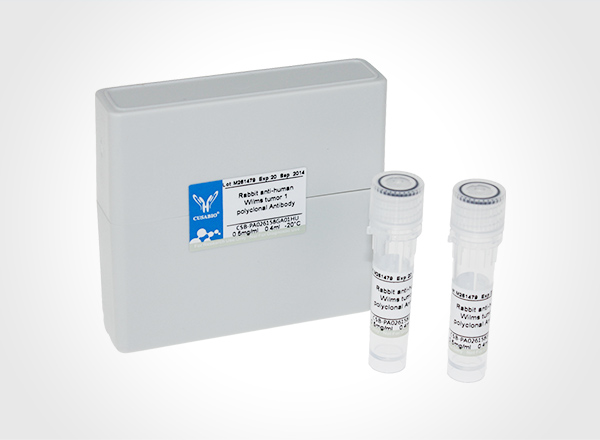
Liquid
Note: We will preferentially ship the format that we have in stock, however, if you have any special requirement for the format, please remark your requirement when placing the order, we will prepare according to your demand.
Upon receipt, store at -20°C or -80°C. Avoid repeated freeze.
Lead Time
Basically, we can dispatch the products out in 1-3 working days after receiving your orders. Delivery time maybe differs from different purchasing way or location, please kindly consult your local distributors for specific delivery time.
Note: All of our proteins are default shipped with normal blue ice packs, if you request to ship with dry ice, please communicate with us in advance and extra fees will be charged.
Usage
For Research Use Only. Not for use in diagnostic or therapeutic procedures.
Serine protease with trypsin- and chymotrypsin-like specificity. Cleaves complement C3. Cleaves vimentin. Has antibacterial activity against the Gram-negative bacterium P.aeruginosa.
Gene References into Functions
these findings present evidence of an arterial-specific recruitment pattern centered on CatG-instructed adhesion strengthening. The inhibition of this process could provide a novel strategy for treatment of arterial inflammation with limited side effects.PMID:27660294
Cathepsin G activity may impair efferocytosis, which could lead to an accumulation of lesion-associated apoptotic cells and the accelerated progression of early atherosclerotic lesions to more complex lesions in Apoe(-/-) mice.PMID:23934850
SerpinB1 is critical for maintaining polymorphonuclear neutrophils survival by antagonizing intracellular cathepsin G activity.PMID:23532733
Cathepsin G and neutrophil elastase contribute to lung-protective immunity against mycobacterial infections in mice.PMID:22461690
This is the first study showing a contribution of neutrophil-derived neutral serine proteases CG and NE to lung-protective immunity against focal pneumonia-inducing serotype 19 S. pneumoniae in mice.PMID:21911460
In the absence of a pathogen challenge, neutrophil-derived proteases and nucleosomes contribute to large vessels thrombosis, the main trigger of myocardial infarction and stroke.PMID:20676107
Inhibition of TGF-beta significantly reduces microvessel density in mammary tumor-induced bone lesions, mediated by decreased expression of both vascular endothelial growth factor (VEGF) and monocyte chemotactic protein (MCP)-1.PMID:19646811
neutrophil elastase and cathepsin G are inhibited by PAI-1 mutantsPMID:15131125
cathepsin G activity at the tumor-bone interface plays an important role in mammary tumor-induced osteolysis through RANKLPMID:18632634
both Cat-G and PAR(4) play key roles in generating and/or amplifying relapses in ulcerative colitisPMID:19528350
Cathepsin G and MMP9 were identified as proteases involved in enhanced TGF-beta signaling at the tumor-bone interface of mammary tumor-induced osteolytic lesions.PMID:19671689
Serine protease required for resistance to microbial infection; contributes to pathogenessis in endotoxic shockPMID:10714686