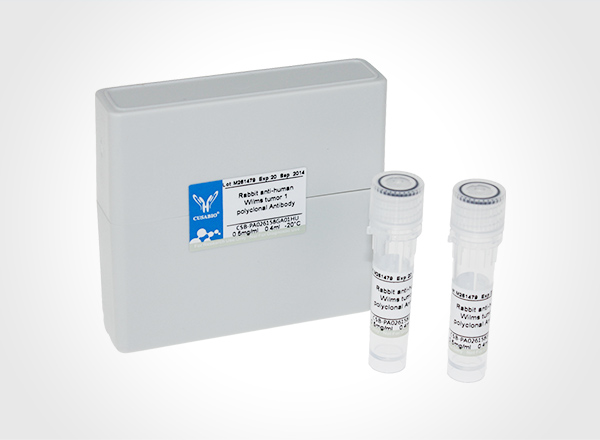
Upon receipt, store at -20°C or -80°C. Avoid repeated freeze.
Lead Time
Basically, we can dispatch the products out in 1-3 working days after receiving your orders. Delivery time maybe differs from different purchasing way or location, please kindly consult your local distributors for specific delivery time.
Note: All of our proteins are default shipped with normal blue ice packs, if you request to ship with dry ice, please communicate with us in advance and extra fees will be charged.
Usage
For Research Use Only. Not for use in diagnostic or therapeutic procedures.
Probable core component of the endosomal sorting required for transport complex III (ESCRT-III) which is involved in multivesicular bodies (MVBs) formation and sorting of endosomal cargo proteins into MVBs. MVBs contain intraluminal vesicles (ILVs) that are generated by invagination and scission from the limiting membrane of the endosome and mostly are delivered to lysosomes enabling degradation of membrane proteins, such as stimulated growth factor receptors, lysosomal enzymes and lipids. The MVB pathway appears to require the sequential function of ESCRT-O, -I,-II and -III complexes. ESCRT-III proteins mostly dissociate from the invaginating membrane before the ILV is released. The ESCRT machinery also functions in topologically equivalent membrane fission events, such as the terminal stages of cytokinesis and the budding of enveloped viruses (HIV-1 and other lentiviruses). ESCRT-III proteins are believed to mediate the necessary vesicle extrusion and/or membrane fission activities, possibly in conjunction with the AAA ATPase VPS4.
Gene References into Functions
We directly link TDP-43 loss of function toxicity to two genes with rare amyotrophic lateral sclerosis and frontotemporal lobar degeneration-causing mutations, CHMP2B and ErbB4PMID:27621269
these data indicate that the neuronal expression of human CHMP2B(intron5) in areas involved in motor and cognitive functions induces progressive motor alterations associated with dementia symptoms and with histopathological hallmarks reminiscent of both amyotrophic lateral sclerosis and frontotemporal dementia.PMID:27329763
Endogenous TMEM106B was partly sequestered in CHMP2B-positive structures. SNP T185 was more associated with CHMP2B than SNP S185, and it enhanced neurotoxicity caused by CHMP2B(Intron5) compared to S185-expressing cells.PMID:26651479
Study showed that mutant CHMP2B causes the pathological accumulation of endolysosomal components early in the frontotemporal dementia disease coursePMID:26358247
Protein kinase CK2 alpha is involved in the phosphorylation of the ESCRT-III subunits CHMP3 and CHMP2B, as well as of VPS4B/SKD1, an ATPase that mediates ESCRT-III disassembly.PMID:24440309
Data indicate that knockdown of syntaxin 13 (syx13) further increased the cellular toxicity caused by muaant CHMP2B (CHMP2BIntron5) expression.PMID:24095276
CHMP2B immunoreactivity was increased in the dorsal motor nucleus of the vagus nerve in Parkinson's disease and incidental Lewy body disease brainsPMID:22989140
These findings suggest that endosomal and autophagic pathway is associated with degradation or formation of alpha-synuclein aggregates in alpha-synucleinopathy.PMID:22947304
Subjects with CHMP2B mutation show cognitive changes dominated by executive dysfunctions, years before they fulfil diagnostic criteria of FTD.PMID:23142962
Direct link between disease-causing mutations and the cellular phenotype in cells originating from CHMP2B mutation patients with frontotemporal dementia.PMID:22786763
This study provided a better understanding of the cellular pathogenesis of neurodegenerative diseases associated with various missense mutations of CHMP2B as well as endocytic defects.PMID:22521643
CHMP2B polymerization scaffolds membranes in vivo represents a first step toward demonstrating its structural role during outward membrane deformationPMID:21926173
recent advances in our understanding of the molecular basis of CHMP2B mutations indicate that the mechanisms involved may be broadly relevant to neurodegenerative processes.[review]PMID:21222599
A novel heterozygous variant p.Ser194Leu (c.581C>T) is found in exon 6 of the CHMP2B gene in one male patient with pure frontotemporal lobar degeneration.PMID:20625756
The results of this study confirmed that mutations in CHMP2B are not a common cause of frontotemporal lobar degeneration.PMID:20412296
CHMP2B is required for spine growth. Taken together, these results demonstrate that a mutant ESCRT-III subunit linked to a human neurodegenerative disease can disrupt the normal pattern of spine development.PMID:20699355
analysis of CHMP2B mutations in lower motor neuron predominant amyotrophic lateral sclerosisPMID:20352044
The fusion of endosomes with lysosomes is required for neuronal function suggesting a pathogenic mechanism for frontotemporal dementia caused by CHMP2B mutations.PMID:20223751
CHMP2B can be used as a reliable marker for GVD in neurons of the AD hippocampus.PMID:20420883
there were no significant differences in the frequencies of the IVS4 + 44C/A, 1303C/A, 1254T/C and IVS15Ex16-16C/G polymorphism haplotypes in the patient cohorts (regardless of the degree of hepatic iron deposition) compared to the control cohortPMID:15223008
identify a mutation in CHMP2B, encoding a component of the endosomal ESCRTIII complex, and show that it results in aberrant mRNA splicing in tissue samples from affected members of family with autosomal dominant frontotermporal dementiaPMID:16041373
Mutations in CHMP2B are a rare cause of familial FTLD and may be specific to the Danish pedigree.PMID:16431024
This studyidentified mutations (Q206H; I29V) in two patients with non-SOD1 ALS.PMID:16807408
CHMP2B mutations are not a cause of dementia in Dutch patients with familial and sporadic frontotemporal dementia.PMID:16941655
CHMP2B can be excluded as a susceptibility gene conferring risk to sporadic forms of frontotemporal dementia.PMID:16979267
These data suggest that C-truncating mutations in CHMP2B might underlie the pathogenic mechanism in frontotemporal lobar degeneration.PMID:17956895
data indicates that CHMP2B mutations are a rare cause of ALS, and no mutations were found in classic ALS phenotypes.PMID:18270236
These data suggest that SgIII, DMT-1 and HNP-1 are implicated in cell-mediated LDL oxidation.PMID:19150442
The specificity of DMT1 inhibition by 4 molecules in a cell line is reported.PMID:19179627
finding suggests that mutations in CHMP2B have widespread effects throughout the brain, leading to a neuro-anatomical signature distinct from other diseases in the frontotemporal lobar degeneration spectrumPMID:19202337
Divalent metal transporter 1 (DMT1) regulation by Ndfip1 prevents metal toxicity in human neurons.PMID:19706893
Show
More
Hide
All
Subcellular Location
Cytoplasm, cytosol. Late endosome membrane; Peripheral membrane protein.
Protein Families
SNF7 family
Tissue Specificity
Widely expressed. Expressed in brain, heart, skeletal muscle, spleen, kidney, liver, small intestine, pancreas, lung, placenta and leukocytes. In brain, it is expressed in cerebellum, cerebral cortex, medulla, spinal chord, occipital lobe, frontal lobe, t