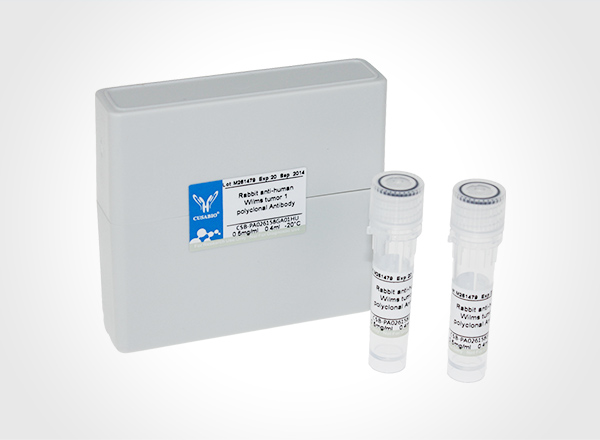
Upon receipt, store at -20°C or -80°C. Avoid repeated freeze.
Lead Time
Basically, we can dispatch the products out in 1-3 working days after receiving your orders. Delivery time maybe differs from different purchasing way or location, please kindly consult your local distributors for specific delivery time.
Note: All of our proteins are default shipped with normal blue ice packs, if you request to ship with dry ice, please communicate with us in advance and extra fees will be charged.
Usage
For Research Use Only. Not for use in diagnostic or therapeutic procedures.
Deubiquitinating enzyme that plays a key role in chromatin by mediating deubiquitination of histone H2A and HCFC1. Catalytic component of the PR-DUB complex, a complex that specifically mediates deubiquitination of histone H2A monoubiquitinated at 'Lys-119' (H2AK119ub1). Does not deubiquitinate monoubiquitinated histone H2B. Acts as a regulator of cell growth by mediating deubiquitination of HCFC1 N-terminal and C-terminal chains, with some specificity toward 'Lys-48'-linked polyubiquitin chains compared to 'Lys-63'-linked polyubiquitin chains. Deubiquitination of HCFC1 does not lead to increase stability of HCFC1. Interferes with the BRCA1 and BARD1 heterodimer activity by inhibiting their ability to mediate ubiquitination and autoubiquitination. It however does not mediate deubiquitination of BRCA1 and BARD1. Able to mediate autodeubiquitination via intramolecular interactions to couteract monoubiquitination at the nuclear localization signal (NLS), thereby protecting it from cytoplasmic sequestration. Acts as a tumor suppressor.
Gene References into Functions
Results confirm the high frequency of BAP1 alterations in ICC and low frequency in pancreatic cancers. It also suggests that BAP1 is commonly altered in a subtype of HCC with both hepatocytic and biliary differentiation.PMID:29778232
Mutant ASXL1 cooperates with BAP1 to promote myeloid leukemogenesis.PMID:30013160
Studied prevalence of BAP1 germline variants in patients with mesothelioma in regards to cumulative asbestos exposure.PMID:30338612
This study of patients with ccRCC, pooled analysis and multivariable modeling demonstrated that three recurrently mutated genes, BAP1, SETD2, and TP53, have statistically significant associations with poor clinical outcomes.important clinical confounders, mutations of TP53 and SETD2 were associated with decreased CSS and RFS, respectively.PMID:28753773
Low PAB1 expression is associated with early stages of clear cell renal cell carcinoma.PMID:29426696
Study based on 47 tissue samples from spitzoid tumors revealed 2 BAP1-inactived cases. The absence of anomalous expression of translocation-related proteins ALK and ROS1 in this series, composed predominantly of low-grade/low-risk tumors, indicates that translocated spitzoid lesions may not be as prevalent as initially suggested, at least in some populations.PMID:29623743
BAP1 loss differentiates malignant pleural mesothelioma from metastatic pleural tumoursPMID:28746778
germline null mutations in BAP1 have a significantly higher frequency in cancer patients than the general population. Given the low frequency of reported families with BAP1-tumor predisposition syndrome (BAP1-TPDS), our results suggest that the syndrome is underreported especially in patients with cancerPMID:29761599
Multivariate analysis showed that the presence of monosomy 3, 8q gain, and loss of BAP1 protein were significantly associated to DPFS, while BAP1 gene mutation was not, mainly due to the presence of metastatic UM cases with negative BAP1 IHC and no BAP1 mutation detected by Sanger sequencing.PMID:29689622
Time to metastasis differs in patients with primary uveal melanoma with different grades of nuclear BAP1 immunoreactivity. Nuclear BAP1 stain is the only significant independent predictor of metastatic disease in this study. Our data support the role of BAP1 immunohistochemical staining of primary uveal melanoma to evaluate metastatic riskPMID:28823399
Studies have clarified novel important molecular aspects associated with the cancer predisposition of BAP1+/- carrying individuals and suggest new relevant questions, related to BAP1-dependent cancer susceptibility, and to more general gene/environment interactions.PMID:28661472
The authors demonstrate that BAP1 deubiquitinase activity and its association with ASXL1 to form the Polycomb repressive deubiquitinase complex (PR-DUB) impacts TRAIL sensitivity implicating transcriptional modulation as an underlying mechanism.PMID:29345617
Case Report: germline BAP1 mutation associated with melanoma of foot.PMID:28597019
Tissue-specific prognostic and clinicopathological significance of BAP1 expression (meta-analysis).PMID:29266978
these results highlight an important role of miR-31 functioning as an oncomir which could promote EMT in cervical cancer via downregulating BAP1 expression. Thus, downregulation of miR-31 could be a novel approach for the molecular treatment of cervical cancers and other malignancies.PMID:29159179
A cancer surveillance program for individuals who carry germline BAP1 mutations may help identify tumors such as uveal melanoma, cutaneous melanoma, and renal cell carcinoma at early and treatable stagesPMID:28482042
Germline BAP1 mutations induce a Warburg effectPMID:28665402
Our comparative thermodynamic analysis reveals that BAP1-ubiquitin interaction is majorly driven by entropy factor which is unique amongst UCHs. Our study sheds light on BAP1 interaction with ubiquitin, which will be useful in understanding its enzymatic function.PMID:28935764
In this report we show that patients with uveal melanoma harbor mutation-specific chromosomal patterns in the tumor. These chromosomal patterns are characterized by different types of chromosomal anomalies, thus illustrating that distinct biological mechanisms underlie uveal melanoma pathogenesis.PMID:27916271
Mutations in BAP1 negatively affected overall survival in patients with metastatic clear cell renal cell carcinomaPMID:28408295
Observations suggest that BAP1Delta does regulate DNA damage response and influences drug sensitivity in mesothelioma cells.PMID:28389374
Our findings suggest that the genetic profile of coexistent GNAQ or GNA11 mutations with BAP1 or SF3B1 mutations can aid the histopathological diagnosis of blue nevus-like melanoma and distinguish blue nevus-like melanoma from conventional epidermal-derived melanomas.PMID:28409567
Intratumoral heterogeneity of BAP1 protein expression is more frequent in primary tumor than in metastatic sites. The loss of BAP1 protein expression in metastatic sites predicts poor prognosis in patients with ccRCC.PMID:28284891
this review discusses BAP1 as a drug target in mesotheliomaPMID:28342657
Loss of nuclear BAP1 expression is an independent prognostic factor of poor overall survival and associated with distant metastasis in oral mucosal melanoma.PMID:28404968
Patients with uveal melanoma, especially if multifocal, and those with other systemic malignancy or family history of cancers should be tested for germ line BRCA-associated protein 1 mutation.PMID:27749792
In malignant peritoneal mesothelioma, the most frequent genetic alteration was biallelic inactivation of the BAP1 gene, which occurred in 9/13 cases, with an additional two cases demonstrating monoallelic loss of BAP1. All 11 of these cases demonstrated loss of BAP1 nuclear staining by immunohistochemistryPMID:27813512
BAP1 mutations and other canonical genomic aberrations usually arise in an early punctuated burst in uveal melanoma.PMID:29317634
BRCA1-associated protein 1 (BAP1) gene mutation status had no prognostic significance. The frequency and spectrum of BAP1 mutations in UM may be more dependent on ethnicity and demographic variables than hitherto considered.PMID:28444874
study reports germline mutations of the BAP1 gene in a sample of 1977 melanoma patients and 754 controls; sequencing revealed 30 BAP1 variants in total, of which 27 were rare; of the 27 rare variants, 22 were present in cases (18 missense, 1 splice acceptor, 1 frameshift and 2 near splice regions) and 5 in controls (all missense)PMID:28062663
A deleterious mutation of BAP1 was confirmed in 12/17 melanocytic BAP1-associated intradermal tumors cases.PMID:28560743
Although there have been reports of sarcomas and meningiomas in patients affected with BAP1 mutations, to our knowledge malignant peripheral nerve sheath tumors in this patient population have not been previously reported. We report a case of malignant peripheral nerve sheath tumor in a patient affected by a BAP1 mutation.PMID:29061454
Low BAP1 expression is associated with lung cancer progression.PMID:26885612
Study shows that the tumor suppressor gene breast cancer [BRCA]1-associated protein 1 (BAP1) is inactivated in 6 high-grade, rhabdoid meningiomas. In addition to patients with somatic BAP1 loss, 2 patients carried germline mutations, indicating that such meningiomas can arise as part of the BAP1 cancer predisposition syndrome.PMID:28170043
Nine of the 32 (28.1%) iCCA patients had gene mutations at chromosome 3p, totaling 11 mutations across five genes. Those included five (15.6%) BAP1 mutations, two each (6.3%) of CACNA2D3 and RASSF1 mutations, and one each (3.1%) of ATG7 and PLCD1 mutations. Six (18.8%) cases had concurrent loss of chromosome 3p and gene mutations.PMID:29122566
BAP1 mutation, Copy Number Loss, and/or Loss of Protein Expression is associated with Malignant Peritoneal Mesotheliomas.PMID:28034829
BAP1 regulates IP3R3-mediated Ca(2+) flux to mitochondria suppressing cell transformationPMID:28614305
Loss of BAP1 expression is associated with lung adenocarcinoma.PMID:27553041
Our data confirm the established role of BAP1 as a tumor suppressor protein and is the first report where BAP1 has been studied in pT1 clear cell renal cell carcinomasPMID:28488170
Important role of BAP1 in the survival of osteosarcoma cells.PMID:28256910
Loss of BAP1 expression is a rare event in non-small cell lung cancer.PMID:27984124
BAP1 immunohistochemistry has limited prognostic utility as a complement of CDKN2A (p16) fluorescence in situ hybridization in malignant pleural mesothelioma.PMID:27771374
BAP1 and PBRM1 loss is seen frequently in intrahepatic cholangiocarcinomaPMID:27864835
BAP1 loss and high EZH2 expression were highly specific to malignant mesothelioma in differentiating it from benign mesothelial proliferationsPMID:27859460
We analyzed the prevalence of germline BAP1 mutations in a group of asbestos-exposed malignant mesothelioma patients and found non obviously pathogenic germline sequence variants of BAP1.PMID:28551647
NEAT-1 is a downstream effector of gemcitabine sensitivity in CCA. The expression of BAP1 is a determinant of sensitivity to therapeutic drugs that can be exploited to enhance responses through combination strategies.PMID:28122578
lncFOXO1 suppressed the growth of breast cancer by increasing FOXO1 transcription. Moreover, we found that lncFOXO1 associated with BRCA-1-associated protein 1 (BAP1) and regulates its binding and the level of mono-ubiquitinated H2A at K119 (ubH2AK119) at FOXO1 promoterPMID:28339037
Bap1 is a bona fide tumor suppressor gene and offer key insights into the contribution of carcinogen exposure to enhanced cancer susceptibilityPMID:26896281
BAP1 protein as determined by immunohistochemistry was absent in all samples with a BAP1 mutation irrespective of the functional type of mutationPMID:27015033
In two out of six families with both mesothelioma and melanoma identified either a germline nonsense mutation (c.1153C > T, p.Arg385*) in BAP1 or a recurrent pathogenic germline mutation (c.301G > T, p.Gly101Trp) in CDKN2A.PMID:27181379
Show
More
Hide
All
Subcellular Location
Cytoplasm. Nucleus.
Protein Families
Peptidase C12 family, BAP1 subfamily
Tissue Specificity
Highly expressed in testis, placenta and ovary. Expressed in breast.