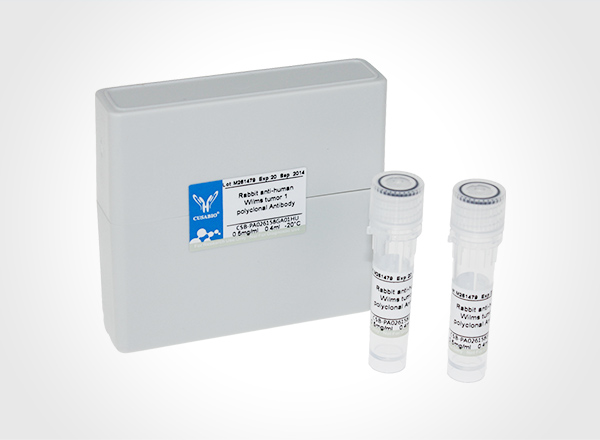
Liquid
Note: We will preferentially ship the format that we have in stock, however, if you have any special requirement for the format, please remark your requirement when placing the order, we will prepare according to your demand.
Upon receipt, store at -20°C or -80°C. Avoid repeated freeze.
Lead Time
Basically, we can dispatch the products out in 1-3 working days after receiving your orders. Delivery time maybe differs from different purchasing way or location, please kindly consult your local distributors for specific delivery time.
Note: All of our proteins are default shipped with normal blue ice packs, if you request to ship with dry ice, please communicate with us in advance and extra fees will be charged.
Usage
For Research Use Only. Not for use in diagnostic or therapeutic procedures.
Actins are highly conserved proteins that are involved in various types of cell motility and are ubiquitously expressed in all eukaryotic cells.
Gene References into Functions
fetus with intestinal pseudo-obstruction heterozygous for p.R63G pathogenic variant (NM_001615.3 c.187C>G; rs864309491) in exon 3PMID:29072330
Whole exome and Sanger sequencing revealed a pathogenic variant in the ACTG2 gene in 4 out of 28 probands with chronic intestinal pseudo-obstruction and megacystis. Moreover, a mutational hotspot in the ACTG2 gene was recognized. Genetic heterogeneity is evident.PMID:28422808
R257 variant in the ACTG2 appear to be more frequent in populations of Asian ancestry; mutation of this locus could cause alterations of the intestinal and bladder smooth muscle filaments.PMID:27007401
ACTG2 boosts the metastatic potential of hepatocellular carcinoma in a Notch1-dependent manner.PMID:28385530
Missense variants in ACTG2 were identified in the patients with either megacystis-microcolon-intestinal hypoperistalsis syndrome or intestinal pseudo-obstruction.PMID:26813947
A heterozygous missense variant in ACTG2 was identified that impaired actin polymerization in sporadic Megacystis microcolon intestinal hypoperistalsis syndrome.PMID:26647307
ACTG2 is expressed in a fraction of small intestinal neuroendocrine tumors, can inhibit cell growth in vitro, and is positively regulated by miR-145.PMID:27107594
Mutations within ACTG2 are associated with fetal megacystis in microcolon intestinal hypoperistalsis syndrome.PMID:25998219
Phenotypic spectrum of ACTG2 missense variants involved severe pathology in multiple smooth muscle-dependent organs including the biliary tract and the uterus in the family with visceral myopathy.PMID:25782675
gammaSMA expression in hepatocellular carcinoma is strongly correlated with the EMT process, HCC aggressiveness and the identification of cancer stem cellsPMID:26110787
ACTG2 encodes g2 enteric actin and is the first gene to be clearly associated with Megacystis-microcolon-intestinal hypoperistalsis syndrome, suggesting an important role for contractile proteins in enteric smooth muscle disease.PMID:24676022
Two novel mutations in the ACTG2 gene, p.R178L and p.R178C, have been identified in two unrelated children with congenital distended bladder, microcolon, and intestinal hypoperistalsis (MMIHS).PMID:24337657
The R148S variant in ACTG2 as a cause of autosomal dominant familial visceral myopathy in one family.PMID:22960657
NOX4 and ROS have a role in myofibroblast differentiation and collagen and alpha-actin production of TGF- beta1-induced nasal polyp-derived fibroblasts.PMID:22722757
SMGA gene activity in prostate epithelia is due, in part, to the androgen-dependent expression of Nkx 3.1PMID:12450213
It was suggested that peritubular alphaSMA-positive myofibroblastic cells, in collaboration with interstitial macrophages, contribute to the progression of interstitial fibrosis in diabetic nephropathy.PMID:17009076
TNF-alpha suppresses TGF-beta1-induced myofibroblast (fibroproliferative) phenotypic genes, for example, alpha-SMA, collagen type 1A, and fibronectin at the mRNA level.PMID:17554369
The insertion-deletion polymorphism in intron 1 of the gamma 2 actin gene is unlikely to play any significant role in obstetric cholestasis or preeclampsia in patients from eastern Finland.PMID:17934296
MYOCD can discriminate among several juxtaposed CArG elements, presumably through its novel partnership with NKX3.1, to optimally transactivate the human ACTG2 promoterPMID:19797053