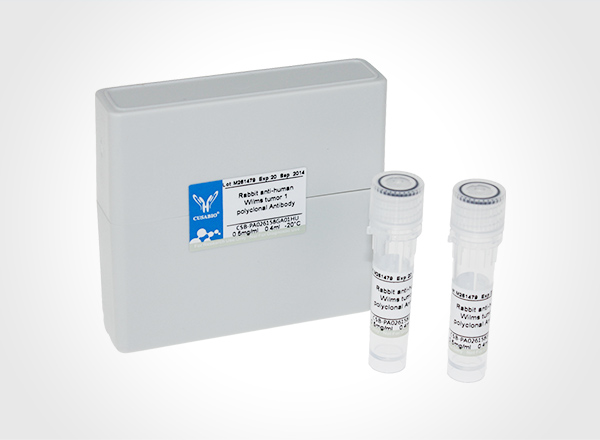
ABC 33 antibody; ABC33 antibody; ABCC 5 antibody; Abcc5 antibody; ATP binding cassette sub family C (CFTR/MRP) member 5 antibody; ATP binding cassette sub family C member 5 antibody; ATP-binding cassette sub-family C member 5 antibody; Canalicular multispecific organic anion transporter C antibody; DKFZp686C1782 antibody; EST277145 antibody; MOAT C antibody; MOAT-C antibody; MOATC antibody; MRP 5 antibody; MRP5_HUMAN antibody; Multi specific organic anion tranporter C antibody; Multi-specific organic anion transporter C antibody; Multidrug resistance associated protein 5 antibody; Multidrug resistance-associated protein 5 antibody; pABC 11 antibody; pABC11 antibody; SMRP antibody
Raised in
Rabbit
Species Reactivity
Human
Immunogen
Recombinant Human Multidrug resistance-associated protein 5 protein (455-566AA)
Immunogen Species
Homo sapiens (Human)
Conjugate
FITC
Clonality
Polyclonal
Isotype
IgG
Purification Method
>95%, Protein G purified
Concentration
It differs from different batches. Please contact us to confirm it.
Liquid
Note: We will preferentially ship the format that we have in stock, however, if you have any special requirement for the format, please remark your requirement when placing the order, we will prepare according to your demand.
Storage
Upon receipt, store at -20°C or -80°C. Avoid repeated freeze.
Lead Time
Basically, we can dispatch the products out in 1-3 working days after receiving your orders. Delivery time maybe differs from different purchasing way or location, please kindly consult your local distributors for specific delivery time.
Note: All of our proteins are default shipped with normal blue ice packs, if you request to ship with dry ice, please communicate with us in advance and extra fees will be charged.
Usage
For Research Use Only. Not for use in diagnostic or therapeutic procedures.
ATP-dependent transporter of the ATP-binding cassette (ABC) family that actively extrudes physiological compounds, and xenobiotics from cells. Mediates ATP-dependent transport of endogenous metabolites such as cAMP and cGMP, folic acid and N-lactoyl-amino acids (in vitro). Acts also as a general glutamate conjugate and analog transporter that can limit the brain levels of endogenous metabolites, drugs, and toxins. Confers resistance to the antiviral agent PMEA. Able to transport several anticancer drugs including methotrexate, and nucleotide analogs in vitro, however it does with low affinity, thus the exact role of ABCC5 in mediating resistance still needs to be elucidated. Acts as a heme transporter required for the translocation of cytosolic heme to the secretory pathway. May play a role in energy metabolism by regulating the glucagon-like peptide 1 (GLP-1) secretion from enteroendocrine cells.
Gene References into Functions
ABCC5 polymorphisms may explain partially the interpatient variability in doxorubicin disposition.PMID:26975227
This study is the first to identify the roles of FOXM1 in drug efflux and paclitaxel resistance by regulating the gene transcription of abcc5, one of the ABC transporters. Small molecular inhibitors of FOXM1 or ABCC5 have the potential to overcome paclitaxel chemoresistance in nasopharyngeal carcinoma (NPC)patients.PMID:28277541
These findings enrich the allelic spectrum of ABCC5 in PACG. We identified no tagging SNP responsible for the association of the whole region.PMID:28813580
Survivors of childhood acute lymphoblastic leukemia treated with doxorubicin with the ABCC5 TT-1629 genotype had an average of 8-12% reduction of ventricular ejection and shortening fractions.PMID:26345518
our work indicated that decreased SLC34A2 expression sensitized BCSCs to doxorubicin via SLC34A2-Bmi1-ABCC5 signaling and shed new light on understanding the mechanism of chemoresistance in BCSCs. This study not only bridges the missing link between stem cell-related transcription factor (Bmi1) and ABC transporter (ABCC5) but also contributes to development of potential therapeutics against breast cancer.PMID:26546432
Deletions of ABCC5 predict good tumor response to neoadjuvant chemotherapy in breast cancer.PMID:26799285
genetic association study in population in Mexico: Data suggest SNPs in ABCC5 (3933+313T>C) are not associated with adverse reactions to methotrexate; they protect against myelosuppression in pediatric patients with ALL (acute lymphoblastic leukemia).PMID:26353179
We identified several genes (FasL, MSH2, ABCC5, CASP3, and CYP3A4)that showed association with PFS in patients with osteosarcoma. These pharmacogenetic risk factors might be useful to predict treatment outcomePMID:25829401
ABCC5 is a general glutamate conjugate and analog transporter that affects the disposition of endogenous metabolites, toxins, and drugs.PMID:26515061
The present study investigated the time course and dose dependency of the induction of three efflux proteins, P-gp, MRP1 and MRP5, in response to gemcitabine exposure in Capan-2 pancreatic cancer cell line at transcriptional and translational levels.PMID:25564970
The blockade of ABC transporter MRP5 could help to improve drug effectiveness, reduce tumour growth and prevent recurrence in glioblastoma multiforme.PMID:25028266
To identify substrates of orphan transporter ATP-binding cassette subfamily C member 5 (ABCC5), identified a class of metabolites, N-lactoyl-amino acids, and found that a protease, cytosolic nonspecific dipeptidase 2 (CNDP2), catalyzes their formation.PMID:25964343
ABCC5 transporter is a novel type 2 diabetes susceptibility gene in European and African American populations.PMID:25117150
ABCC5 functions as a mediator of breast cancer skeletal metastasis. ABCC5 expression in breast cancer cells is important for efficient osteoclast-mediated bone resorption.PMID:23174366
This locus was associated with an increase in risk of PACG in a separate case-control study of 4,276 primary angle closure glaucoma cases and 18,801 controls (per-allele OR = 1.13 [95% CI: 1.06-1.22], P = 0.00046).PMID:24603532
Further research is needed to clarify whether MRP5 is indicative of malignant pathological features in meningiomas and whether possible therapeutic implications existPMID:23271324
PDE5 is highly expressed and increases ( approximately 130%) during growth whereas ABCC5 exhibited low to moderate expression, with a moderate increase ( approximately 40%) during growthPMID:22843873
The present results imply that MRP5 index may hold a prognostic role in patients with glioblastoma multiformePMID:22278731
Findings show that the gene expression of ATP-dependent efflux transporters MRP1, -3, -4, -5, and p-gp fluctuated during stem cell-derived retinal pigment epithelial cells (hESC-RPE) maturation.PMID:22272278
This gene-wide tagging study revealed no association between ABCC2, ABCC5 and ABCG2 genetic polymorphisms and multidrug resistance in epilepsyPMID:21449672
Results support the idea that isolating survivin and MRP5+ CTCs may help in the selection of metastatic colorectal cancer patients resistant to standard 5-FU and L-OHP based chemotherapy, for which alternative regimens may be appropriate.PMID:20597995
Results identify key membrane transporters OATP2B1, MRP1, MRP4, and MRP5 as modulators of skeletal muscle statin exposure and toxicity.PMID:19940267
MDR1, MRP2, MRP3 and MRP5 levels are decreased by tetramethylpyrazine in human hepatocellular carcinoma cellsPMID:19956884
Sodium influx is not directly coupled to MRP4/5-mediated cyclic nucleotide efflux, is independent of the status of transporter activity, and determines the baseline membrane potential, which in turns modulates MRP4/5-mediated cyclic nucleotide efflux.PMID:19903828
MRP4 and MRP5 are low affinity cyclic nucleotide transporters that may at best function as overflow pumps, decreasing steep increases in cGMP levels under conditions where cGMP synthesis is strongly induced and phosphodiesterase activity is limitingPMID:12637526
MRP1 and MRP5 increase with trophoblast maturation, suggesting a particular role for these proteins in the organ functional developmenPMID:12646196
the affinity of MRP4 and MRP5 for nucleotide-based substrates is low.PMID:12695538
Localized in cardiac and cardiovascular myocytes as well as endothelial cells with increased expression in ischemic cardiomyopathy. MRP5-mediated cellular export may represent novel, disease-dependent pathway for cGMP removal from cardiac cells.PMID:14507663
MRP5 expression depends on gestational age and varies throughout the differentiation process.PMID:15631998
Upregulation of MRP5 expression is associated with pancreatic carcinomaPMID:15688370
analysis of linkage disequilibrium at the nucleotide analogue transporter ABCC5 gene locusPMID:15861033
Plant flavonoids were able to reverse drug resistance in human cells transfected with ABCC5PMID:16156793
We have isolated three novel ABCC5 splice variants and characterized their role in the regulation of ABCC5 gene expression. One ABCC5 splice variant produces a truncated ABCC5 protein isoform with thus far unknown functional properties in the retina.PMID:17521428
cGMP may be a physiological regulator of hyaluronan export at the level of the export MRP5PMID:17540771
analysis of the outward facing state of the human P-glycoprotein (ABCB1), and comparison to a model of the human MRP5 (ABCC5)PMID:17803828
Celecoxib upregulates MRP5 in colon cancer and results in lack of synergy with standard chemotherapy.PMID:18690847
MRP3, MRP4, and MRP5 are upregulated in 5-fluorouracil-resistant cells, and MRP5 contributes to 5-FU resistance in pancreatic carcinoma cells.PMID:19077464
[Isoform 3]: Predominant isoform in retinal pigment epithelium, bladder, and stomach.; Ubiquitously expressed, but levels in brain and muscle are especially high. All isoforms are equally expressed in retina.