* Sample kit cost can be deducted as a $30 credit for each 96-assay kit of the same analyte and brand you subsequently purchase within six months until depleted. More details >>
Interested in a trial size? Please leave a message below.

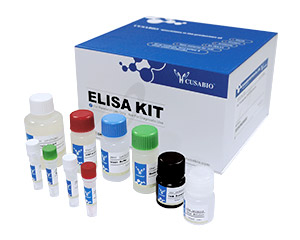

Tumor necrosis factor superfamily member 11 (TNFSF11), commonly known as RANKL, is a cytokine that regulates bone metabolism and immune system function. As a member of the TNF superfamily, TNFSF11 plays a central role in osteoclast differentiation and activation, making it a key mediator of bone resorption processes. Various cell types release the soluble form of this receptor activator of nuclear factor-κB ligand. It serves as an important biomarker in bone-related diseases and inflammatory conditions.
This quantitative sandwich ELISA kit measures rat soluble RANKL in serum, plasma, and cell culture supernatants with a detection range of 62.5 pg/mL to 4000 pg/mL and sensitivity of 15.6 pg/mL. The assay requires 50-100 μL sample volume and can be completed within 1-5 hours. Detection occurs at 450 nm wavelength, providing researchers with a reliable tool for quantifying TNFSF11 levels in Rattus norvegicus samples.
Application Examples
Note: The following application examples are drawn from a selection of publications citing this product. For additional applications, please refer to the full list of references in the "Citations" section.
This ELISA kit has been used in research examining bone metabolism and remodeling processes. Studies have applied the kit to measure RANKL levels in serum samples as part of comprehensive bone marker profiling, alongside other bone formation and resorption indicators.
• Orthodontic tooth movement research - Measuring RANKL levels during orthodontic treatment to understand bone remodeling mechanisms
• Bone metabolism studies - Quantifying RANKL as a key regulator of osteoclast activity in conjunction with other bone turnover markers
• Serum biomarker profiling - Measuring circulating RANKL levels to evaluate bone resorption processes in experimental models





