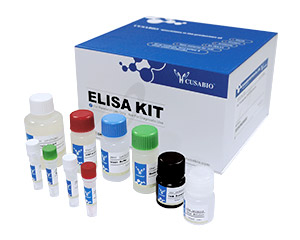
Human Interferon α,IFN-α ELISA Kit

Promotion
Code: CSB-E08636h
Size:
96T,5×96T,10×96T
96T,5×96T,10×96T
Pls inquire
Quantity:
Sample Types: serum, plasma, cell culture supernates, urine, tissue homogenates
Detect Range: 7.8 pg/ml-500 pg/ml
Sensitivity: 1.95 pg/ml
Trial Size:
24T ELISA Kit Trial Size (Only USD$150/ kit)
* Sample kit cost can be deducted as a $30 credit for each 96-assay kit of the same analyte and brand you subsequently purchase within six months until depleted. More details >>
Interested in a trial size? Please leave a message below.

For inquiries on large quantities or another requirements
Send an Inquiry
Start an on-line Chat
Online ordering is currently available for U.S. customers only. For orders outside the U.S., please kindly submit an inquiry or start a chat with us.
Promotion

Product Details

Alternative Names
IFL ELISA Kit; IFN alpha ELISA Kit; IFN alpha 1/13 ELISA Kit; IFN alpha 1b ELISA Kit; IFN alphaD ELISA Kit; IFN ELISA Kit; IFN-alpha-1/13 ELISA Kit; IFNA@ ELISA Kit; IFNA1 ELISA Kit; IFNA1_HUMAN ELISA Kit; IFNA13 ELISA Kit; Interferon alpha 1 ELISA Kit; Interferon alpha-1/13 ELISA Kit; Interferon alpha-D ELISA Kit; Interferon alpha1 ELISA Kit; Interferon, alpha 13 ELISA Kit; LeIF D ELISA Kit
Abbreviation
IFN-α
Uniprot NO.
Species
Homo sapiens (Human)
Sample Type
serum, plasma, cell culture supernates, urine, tissue homogenates
Detection Range
7.8 pg/ml-500 pg/ml
Sensitivity
1.95 pg/ml
Assay Time
1-5h
Sample Loading Volume
50-100ul
Detection Wavelength
450 nm
Research Area
Immunology
Assay Principle
quantitative
The tag type will be determined during production process. If you have specified tag type, please tell us and we will develop the specified tag preferentially.
Measurement
Sandwich
Storage
Store at 2-8°C. Please refer to protocol.
Shelf Life
6 months
Lead Time
3-5 working days after you place the order, and it takes another 3-5 days for delivery via DHL or FedEx.
Note: All of our proteins are default shipped with normal blue ice packs, if you request to ship with dry ice, please communicate with us in advance and extra fees will be charged.
Precision

Linearity

Recovery

Typical Data

Troubleshooting and FAQs
Description

CUSABIO’s Human Interferon α (IFN-α) ELISA Kit can be used to quantitatively measure the levels of IFN-α in various biological solutions, including serum, plasma, cell culture supernates, urine, and tissue homogenates. The assay uses the sandwich ELISA mechanism in combination with the chromogenic reaction to complete the detection. The solution color develops in proportion to the IFN-α contents in the sample, and the color intensity can be measured at 450 nm via a microplate reader. The kit is featured with high sensitivity, excellent specificity, the precision of less than 10%, high recovery, good linearity, and high consistency between batches.

The IFN-α belongs to the type I IFNs family and it is predominantly involved in innate immunity. IFN-α is secreted by immune (lymphocytes, NK cells, B-cells, T-cells, and macrophages) and non-immune cells (fibroblasts, endothelial cells, osteoblasts, and others) in response to the viral infection. IFN-α signals through the interaction with its receptor IFNAR, inducing the activation of the JAK and STAT signaling pathway and thus leading to the expression of related genes. These gene products exert anti-viral, anti-proliferative, anti-tumor, or immunomodulatory effects. In addition to its direct anti-viral effects, IFN-α can strongly regulate innate and adaptive immune responses in the host. It enhances the proliferation, cytotoxicity, and IFN-γ secretion of NK cells. It also up-regulates the expression of major histocompatibility complexes class I and II on antigen-presenting cells and promotes cross-presentation of viral antigens to CD8+ T-cells by DCs, which enhances adaptive immune responses.


Customer Reviews and Q&A

 Customer Reviews

Citations

Target Background

Function(From Uniprot)
Produced by macrophages, IFN-alpha have antiviral activities. Interferon stimulates the production of two enzymes: a protein kinase and an oligoadenylate synthetase.
Gene References into Functions
  1. SOCS2 impairs IFN/JAK/STAT signaling through reducing the stability of tyrosine kinase 2 (TYK2), downregulating the expression of type I and III IFN receptors, attenuating the phosphorylation and nucleus translocation of STAT1. PMID:28496097
  2. Significant associations were observed for 4 variants in IFNAR2, IFNLR1 with hepatitis B virus infection, and IFNLR1-rs4649203 was associated with hepatitis B recovery. Moreover, the authors demonstrated the clear relevance of 5 polymorphisms in IFNA1, IFNA2, IFNL4 with hepatocellular carcinoma. PMID:29080269
  3. HIV-1 IIIB infection of myeloid ThP-1 cells also reduced the IFN-alpha-mediated induction of the anti-viral gene, ISG15, but not MxA, revealing a functional consequence of this HIV-1-mediated immune evasion strategy. PMID:29580840
  4. Therefore, these results demonstrate the importance of MxB in alpha interferon-mediated inhibition of HIV-1 infection. PMID:29925663
  5. Our results illustrate a novel regulatory role of TWEAK, in which its activity positively regulates type I IFN pathway in lupus nephritis (LN) based on preclinical models. Our findings suggest TWEAK could act as a critical target in preventing renal damage in patients with LN. PMID:29333443
  6. Myeloid cells contribute more to the whole blood interferon signature in systemic lupus erythematosus than their lymphocytic counterpart. Very similar leukocyte subsets reveal distinctive IFN signatures. IFN alpha mixes up composition of blood and leads to a preferential neutropenia, yielding relative lymphocytosis. PMID:28357476
  7. the polymorphic variant of IFNA1 (-2) gene is associated with chronic HBV infection PMID:27101083
  8. Cerebrospinal fluid interferon alpha levels correlate with neurocognitive impairment in ambulatory HIV-Infected individuals. PMID:27400930
  9. Data suggest a central role of XBP1 in TLR7-induced IFNalpha production and identify XBP1 as a potential novel therapeutic target in IFNalpha-driven autoimmune and inflammatory diseases. PMID:28408069
  10. Study shows IFN-alpha rapidly induces a profound shift in whole brain network structure, impairing global functional connectivity and the efficiency of parallel information exchange. PMID:26697999
  11. The review focuses on the value of the type I and III interferon subtypes (alphas, beta and lambdas) as therapeutics for prevention and treatment of viral infections (influenza, herpes, human immunodeficiency virus and hepatitis viruses). PMID:27544015
  12. MiR-181a is an important mediator for interferons-induced SAMHD1 expression in astrocytes and microglia, but not for inhibition of HIV-1 infection induced by IFN-alpha. PMID:27219130
  13. the expression of certain TAM components was reduced as a result of prolonged degradation of MYD88 by Porphyromonas gingivalis infection. PMID:28076786
  14. Type I interferons (IFNs) signature is seen in a significant proportion of anti-nuclear antibody-positive (ANA(+) individuals and appears to be associated with ANA titre and type of autoantibodies, rather than with the presence or development of clinical systemic autoimmune rheumatic diseases (SARDs) symptoms. PMID:28245862
  15. study found that endogenous IFNalpha autocrinally promotes the expression of Interferon-Stimulated Gene (ISG) mRNAs in IL-3-, but not in IFNlambda3 plus IL-3-, treated plasmacytoid dendritic cells (pDCs); production of IFNalpha by IFNlambda3 plus IL-3-treated pDCs is mostly dependent on endogenously produced TNFalpha PMID:27513213
  16. results demonstrate that Sphingosine 1-phosphate lyase (SPL) is a host factor that augments type I IFN responses during influenza A virus infection; study delineates the relationship between IKKepsilon and SPL, which provides a mechanistic understanding of the pro-IFN activity of SPL PMID:28600291
  17. These data suggest that plasmacytoid dendritic cells producing IFN-alpha and IL-33 play a pivotal role in the chronic fibro-inflammatory responses underlying murine autoimmune pancreatitis and human IgG4-related autoimmune pancreatitis. PMID:28373582
  18. These findings also identify STAT3 as a therapeutic target against viral infection and highlight it as an essential pathway component for endogenous and therapeutic IFN-alpha responsiveness. PMID:27988795
  19. Mothers of children affected by autoimmune congenital heart block had a significantly higher expression IFN-alpha. PMID:28501799
  20. Suppression of the exogenous Type I IFN-induced Jak/STAT signaling by NSs might be one of the mechanisms of Severe fever with thrombocytopenia syndrome (SFTS) to evade host immune surveillance. PMID:28234991
  21. the paper shows the data on the role of interferons -alpha and -beta in infections - not only commonly known viral infections, but also bacterial, fungal and parasitic. PMID:28388697
  22. High Type I Interferon expression due to hypomethylation is associated with Systemic Lupus Erythematosus. PMID:28085900
  23. these studies identify phosphorylation of S734-STAT2 as a new regulatory mechanism that negatively controls the type I IFN-antiviral response. PMID:27802159
  24. The synthetic IFNP molecule exerted its antitumor activity by upregulating the downstream genes involved in the STAT1 pathway and in apoptosis. Using a cell receptor binding assay, we showed that this Jurkat-binding peptide facilitated the binding affinity of IFNalpha to the cell surface type I IFN receptor PMID:28578326
  25. KSHV-encoded viral IRF4 interacts with the host IRF7 and inhibits interferon-alpha production. PMID:28342865
  26. Data indicate ARID3a(+) B cells as a type of effector B cell, and link ARID3a expression in B lymphocytes to interferon alpha (IFNa)-associated inflammatory responses in systemic lupus erythematosus (SLE). PMID:27522115
  27. On one hand, hepatitis B virus activates MMP-9 in infected patients and leukocytes. On the other hand, MMP-9 facilitates hepatitis B virus replication through repressing IFN/JAK/STAT signaling, IFNAR1 function, and IFN-alpha action. PMID:28122987
  28. Interferon-alpha Induces the apoptosis of Hela cells by activating both the intrinsic mitochondrial pathway and endoplasmic reticulum stress-induced pathway. PMID:27827850
  29. Decreased interferon alpha (IFN-alpha) secretion induced by Toll-like receptor 7 and Toll-like receptor 8 (TLR7/TLR8) activation was observed in common variable immunodeficiency (CVID), which was recovered with Toll-like receptor 9 (TLR9) signaling. PMID:27392462
  30. Plasmacytoid dendritic cells (pDCs) and type 1 interferon (FNalpha/beta)frequently accompanied plasmablast/plasma cells (PB/PCs). PMID:27102764
  31. These results establish that activation of STAT pathway is essential for anti-hepatitis c virus efficacy of IFN-alpha. PMID:27855377
  32. IL-2 therapy should be used as a first- or second-line therapy following IFN-a therapy. IL-2 may have a lower response if it is used after molecular-targeted therapy or other treatments PMID:27630356
  33. results show that IFNA1 rs1332190 and IFNA17 rs9298814 SNPs may play an important role in Crimean-Congo hemorrhagic fever susceptibility PMID:26694082
  34. Interferon-alpha-induced TRIM22 interrupts hepatitis c virus replication by ubiquitinating NS5A. PMID:25683609
  35. our data indicate that by targeting PTP1B, miR-744 plays a feed-forward role in regulating type I IFN signaling pathway. PMID:26259828
  36. the findings demonstrate that treatment with anti-CD20-hIFNalpha reverses resistance of B-NHL PMID:26398317
  37. NS of severe fever with thrombocytopenia syndrome virus inhibited the activity of IFN-alpha1, IFN-beta, IFN-lambda1 and IFN-lambda2 through inhibition of STAT1 phosphorylation. PMID:26353965
  38. interferon (IFN)-alpha, weakens activation of the anti-bacterial interleukin (IL)-1/IL-22 axis in human peripheral blood mononuclear cells exposed to viable B. burgdorferi PMID:26152778
  39. Shp-2 contributes to the control of respiratory syncytial virus replication and progeny production in pulmonary alveolar epithelial cells by interfering with IFN-alpha-induced Jak/Stat1 pathway activation PMID:26119280
  40. Interferon alfa induces high response rates with low toxicity in patients with polycythemia vera. PMID:26261238
  41. This study suggests that suppression of miR-122 induced by hepatitis B virus infection, leads to the inactivation of interferon expression, which in turn enhances hepatitis B virus replication. PMID:25766860
  42. Data suggest that Viral microRNA hcmv-miR-UL112 subverts innate immunity by downregulating type I interferons IFN-alpha and IFN-beta signaling to inhibit natural killer (NK) cell cytotoxicity. PMID:25530545
  43. Interferon-alpha and interferon-beta are at the crossroads of allergy and viral infections. (Review) PMID:26026068
  44. The interaction between AIP and IRF7 is enhanced upon virus infection, and AIP potently inhibits IRF7-induced type I IFN (IFN-alpha/beta) production. PMID:25911105
  45. Interferon-alpha inhibits CD4 T cell responses to interleukin-7 and interleukin-2 and selectively interferes with Akt signaling. PMID:25784743
  46. Data show that chemokine CXCL13 production by monocytes required toll-like receptor 7 activation and secretion of interferon-alpha. PMID:25667414
  47. Studies indicate that type I interfereon signaling cascade is initiated by the binding of the cytokines to the high-affinity interferon alpha receotor. PMID:25747907
  48. Results show that histone-lysine N-methyltransferase Set7 facilitates hepatitis C virus (HCV) replication through the attenuation of interferon-alpha (IFN-alpha) signaling pathways and IFN-related effectors. PMID:25681344
  49. Domain 2 of the hepatitis C virus core protein critically affected the magnitude of host IFN-alpha responses. PMID:25552725
  50. Hepatitis C virus NS3-4A similarly diminished both human and mouse MAVS-dependent signaling in human and mouse cells and MAVS induces both type I and type III interferons, which together control the hepatitis C virus replication. PMID:25609814

Show More

Hide All

Subcellular Location
Secreted.
Protein Families
Alpha/beta interferon family
Database Links

HGNC: 5417

UNIGENE: Hs.37026

KEGG: hsa:3439

STRING: 9606.ENSP00000276927

OMIM: 147578

icon of phone
Call us
301-363-4651 (Available 9 a.m. to 5 p.m. CST from Monday to Friday)
icon of address
Address
No. 269, Shendun 5th Road, Donghu Hi-Tech Development Area, Hubei Province, 430206, P.R.China
icon of social media
Join us with

Subscribe newsletter

Leave a message

* To protect against spam, please pass the CAPTCHA test below.
CAPTCHA verification
© 2007-2025 CUSABIO TECHNOLOGY LLC All rights reserved. 鄂ICP备15011166号-1
Select 0 Products