

Call us
301-363-4651 (Available 9 a.m. to 5 p.m. CST from Monday to Friday)


The third Wednesday of November each year is designated as "World COPD Day", which began in 2002 and was initiated by the Global Initiative for Chronic Obstructive Lung Disease (GOLD), aiming to raise public awareness of Chronic Obstructive Pulmonary Disease (COPD) and promote early diagnosis and treatment.
Chronic Obstructive Pulmonary Disease (COPD), also known as chronic obstructive bronchitis, is a progressive and irreversible airflow limitation disease. Symptoms of COPD include coughing, expectoration, dyspnea, acute exacerbations, chest tightness, and shortness of breath. The main risk factors for COPD include long-term smoking, occupational exposure to dust and chemical substances, and are closely related to various inflammatory factors. Statistics show that COPD has become the third leading cause of death worldwide, following ischemic heart disease and stroke, severely affecting the quality of life of patients and imposing a heavy economic burden on individuals, society, and families.
The pathogenesis of COPD is complex, involving chronic inflammation, oxidative stress, protease-antiprotease imbalance, cellular senescence, and abnormal repair mechanisms [1][2][3]. Inflammation plays a key role in the development of the disease. Current treatment methods include long-acting bronchodilators and anti-inflammatory drugs, but these methods do not halt disease progression or solve all problems. New therapeutic targets under development include modulators of inflammatory mediators, protease inhibitors, antioxidants, kinase inhibitors, PDE4 inhibitors, NF-κB inhibitors, senolytics, and antifibrotic agents [4].
In terms of treatment, significant progress has been made in the field of COPD in recent years, including monoclonal antibodies and small molecule drugs. These drugs target key molecules such as IL-4Rα, PDE4, PDE3, TSLP, providing more treatment options for patients. For example, Stapokibart, a monoclonal antibody targeting IL-4Rα, was approved in China on July 30, 2024. Ensifentrine, a dual inhibitor of PDE3 and PDE4, was approved in the United States on March 10, 2023. Tezepelumab, a TSLP inhibitor, was approved in the United States on January 30, 2022. The launch of these new drugs not only enriches the treatment options for COPD but also brings more hope and personalized treatment plans for patients.
CUSABIO has long been committed to providing researchers with high-quality proteins, antibodies, ELISA kits, and other tool-based research reagent products. We have compiled a list of popular targets and related reagent products related to chronic obstructive pulmonary disease research for your selection.
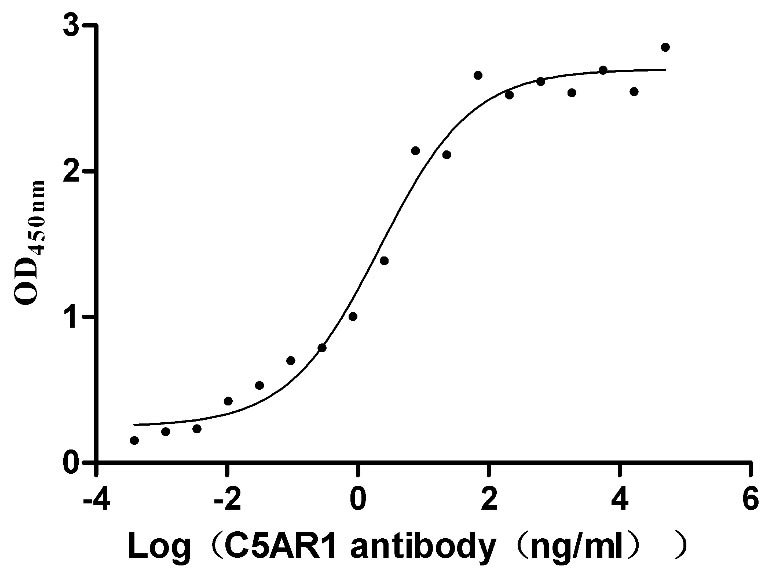
Measured by its binding ability in a functional ELISA. Immobilized human C5AR1 at 10 μg/ml can bind Anti-C5AR1 recombinant antibody (CSB-RA003996A0HU), the EC50 is 1.239-3.760 ng/mL
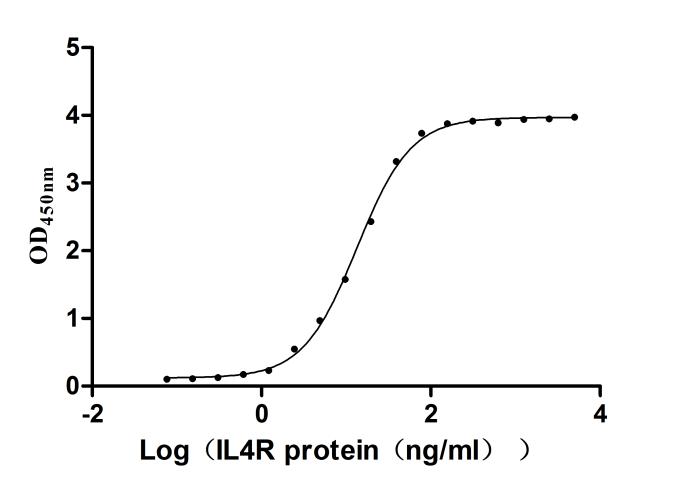
Measured by its binding ability in a functional ELISA. Immobilized Human IL4 (CSB-MP011659HU) at 2μg/mL can bind biotinylated Human IL4R,the EC50 is 12.68-14.23 ng/mL.
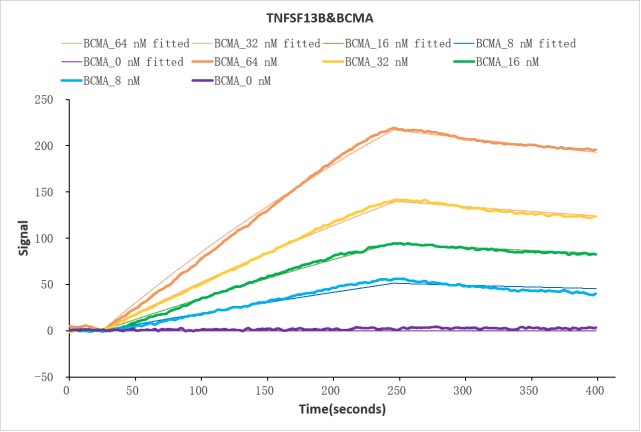
Human TNFSF13B protein Fc tag (CSB-MP897523HU1) captured on COOH chip can bind Human BCMA protein Fc tag (CSB-MP023974HU1) with an affinity constant of 39 nM as detected by LSPR Assay.
-AC1.jpg)
Loaded Cynomolgus TSLP (R127A, R130S) on 96-Flat plate, can bind anti-TSLP antibody (CSB-RA025141MA1HU), with an affinity constant of 4.41 nM as determined in BLI assay (Gator Prime)
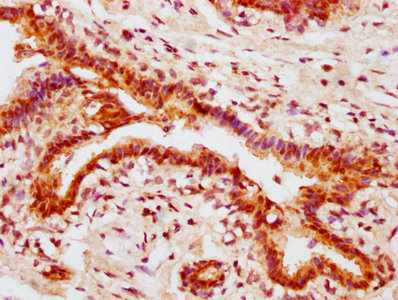
Phospho-AKT1 (Ser473) Recombinant Monoclonal Antibody
CSB-RA001553A473phHU
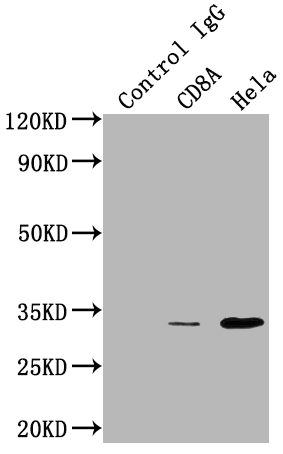
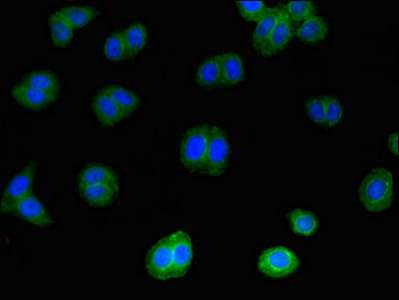
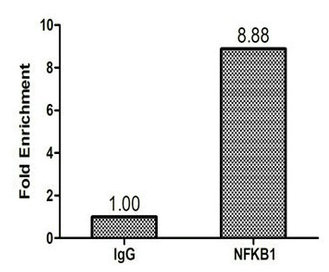
Tested Applications: ELISA, WB, IHC, IF, IP
| Target Name | Product Name | Code | Species Reactivity | Tested Applications |
|---|---|---|---|---|
| AKT1 | AKT1 Monoclonal Antibody | CSB-MA011037 | Human,Mouse,Pig,Rat | ELISA, WB |
| ALB | ALB Monoclonal Antibody | CSB-MA076752 | Human | ELISA, WB, IHC |
| CCL2 | CCL2 Monoclonal Antibody | CSB-MA058641A0m | Human | ELISA, IHC |
| CD4 | CD4 Monoclonal Antibody | CSB-MA000228 | Human,Mouse,Rat | ELISA, IHC |
| CD4 | CD4 Monoclonal Antibody,APC Conjugated | CSB-MA043428 | Human | ELISA, IF, FC |
| CD4 | CD4 Monoclonal Antibody,Biotin Conjugated | CSB-MA981329 | Human | ELISA, IF, FC |
| CD4 | CD4 Monoclonal Antibody,FITC Conjugated | CSB-MA124048 | Human | ELISA, IF, FC |
| CD4 | CD4 Monoclonal Antibody,PE Conjugated | CSB-MA260243 | Human | ELISA, IF, FC |
| CD4 | CD4 Monoclonal Antibody,PE-Cy5 Conjugated | CSB-MA570802 | Human | ELISA, IF, FC |
| CD4 | CD4 Monoclonal Antibody,Purified | CSB-MA783233 | Human | ELISA, FC |
| CD4 | CD4 Monoclonal Antibody,PE Conjugated | CSB-MA084552 | Mouse | ELISA, FC |
| CD8A | CD8A Monoclonal Antibody,APC Conjugated | CSB-MA255790 | Human | ELISA, IF, FC |
| CD8A | CD8A Monoclonal Antibody,Biotin Conjugated | CSB-MA955671 | Human | ELISA, IF, FC |
| CD8A | CD8A Monoclonal Antibody,FITC Conjugated | CSB-MA919476 | Human | ELISA, IF, FC |
| CD8A | CD8A Monoclonal Antibody,PE Conjugated | CSB-MA574619 | Human | ELISA, IF, FC |
| CD8A | CD8A Monoclonal Antibody,PE-Cy5 Conjugated | CSB-MA985168 | Human | ELISA, IF, FC |
| CD8A | CD8A Monoclonal Antibody,Purified | CSB-MA927984 | Human | ELISA, FC |
| CRP | CRP Monoclonal Antibody | CSB-MA027411E0m | Human | ELISA, IHC |
| CXCL8 | CXCL8 Monoclonal Antibody | CSB-MA083271A0m | Human | ELISA, IHC |
| IFNG | IFNG Monoclonal Antibody | CSB-MA065241A0m | Human | ELISA, IHC |
| IL1B | IL1B Monoclonal Antibody | CSB-MA065741A0m | Human | ELISA |
| IL1B | IL1B Monoclonal Antibody | CSB-MA010884 | Human | ELISA, WB, IHC, ICC |
| IL6 | IL6 Monoclonal Antibody | CSB-MA067571A0m | Human | ELISA, WB, IHC |
| TNF | TNF Monoclonal Antibody | CSB-MA084771A0m | Bovine | ELISA |
| TNF | TNF Monoclonal Antibody | CSB-MA080271 | Human,Mouse,Rat | ELISA, WB, IHC |
| TNF | TNF Monoclonal Antibody | CSB-MA080272 | Human,Mouse,Rat | ELISA, WB, IHC |
Q: Is COPD the same as chronic bronchitis?
No—COPD is an umbrella diagnosis that commonly includes chronic bronchitis and emphysema features, and it is best studied as a heterogeneous syndrome with multiple mechanisms.
Q: How to design a COPD ELISA biomarker panel
Q: Which COPD biomarkers are most useful for inflammation studies?
TNF, IL-6, IL-1β, and CXCL8 (IL-8) are frequent baseline markers, often paired with CRP and remodeling markers (e.g., MMP9/MMP12) depending on the study hypothesis.
Q: Which targets are most relevant for eosinophilic or type 2 COPD subsets?
The IL-4/IL-13 axis (IL4, IL13, IL4R, IL13RA1), IL-5 pathway (IL5, IL5RA), and epithelial alarmins like TSLP are commonly evaluated when stratifying COPD by inflammatory endotype.
Q: How should I choose between recombinant proteins, antibodies, and ELISA kits?
Use recombinant proteins for binding/kinetics/functional assay design, validated antibodies for pathway localization and confirmation (WB/IHC/IF/IP), and ELISA kits for quantitative biomarker measurement in defined matrices.
Q: What sample types are most common for COPD biomarker measurement?
Serum/plasma and BALF are common for soluble biomarkers, while tissue homogenates and cell lysates are used for mechanistic and pathway studies; standardize collection and storage to improve comparability.
Reference:
[1] Targeted Treatments for Chronic Obstructive Pulmonary Disease (COPD) Using Low-Molecular-Weight Drugs (LMWDs). J Med Chem, 2019.
[2] Identifying Molecular Targets for New Drug Development for Chronic Obstructive Pulmonary Disease: What Does the Future Hold? Semin Respir Crit Care Med, 2015.
[3] New anti-inflammatory targets for chronic obstructive pulmonary disease. Nat Rev Drug Discov, 2013.
[4] New drugs under development for COPD. Minerva Med, 2022.




